
Introduction: Not All Paws Take Naturally to Water
For many pet owners, the arrival of warm weather naturally brings visions of sunny afternoons by the pool, trips to the lake, and carefree days at the beach with a loyal canine companion bounding through the surf. However, a common misconception persists among animal lovers: the belief that all dogs are born with an innate, flawless ability to swim.
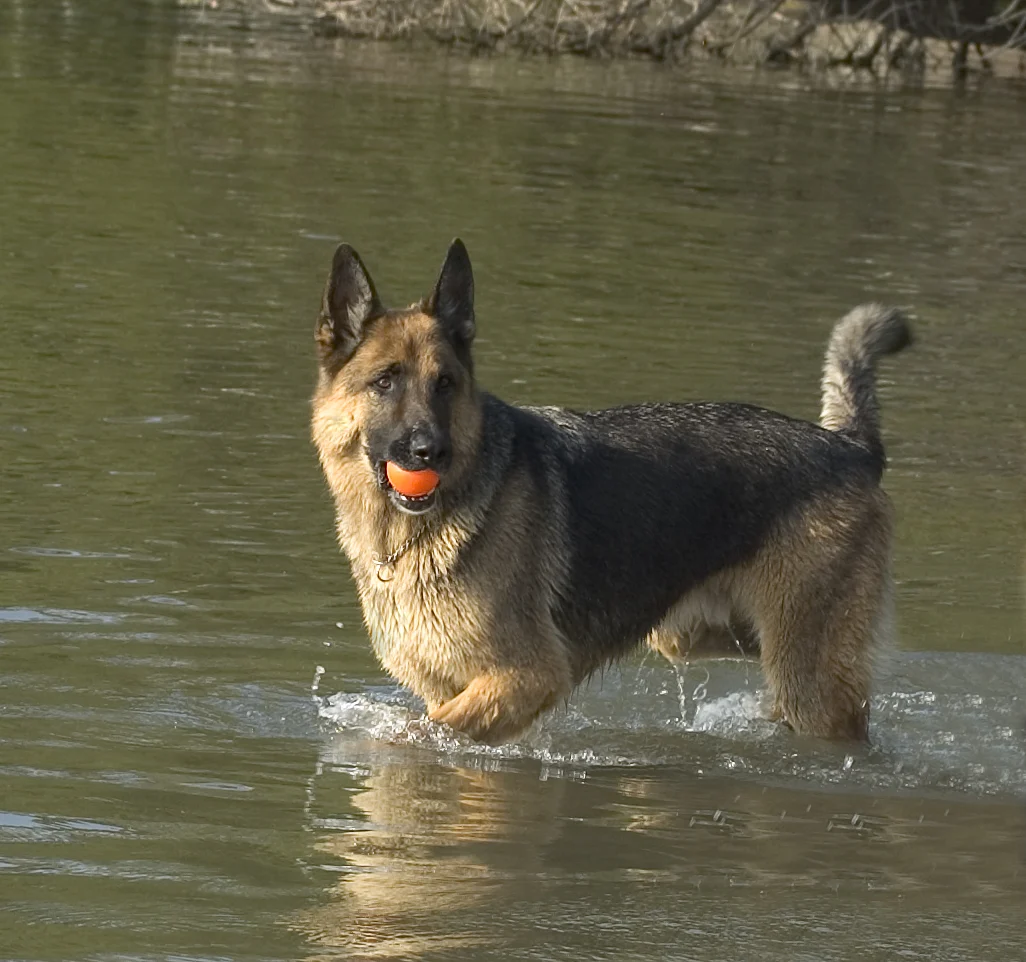
While certain breeds—such as Labrador Retrievers, Newfoundlands, and Portuguese Water Dogs—have historical lineages deeply tied to aquatic work, the reality is far more nuanced. Not every dog is born knowing how to navigate open water or swimming pools. In fact, introducing a dog to water without proper preparation can quickly turn a joyful summer activity into a terrifying ordeal.
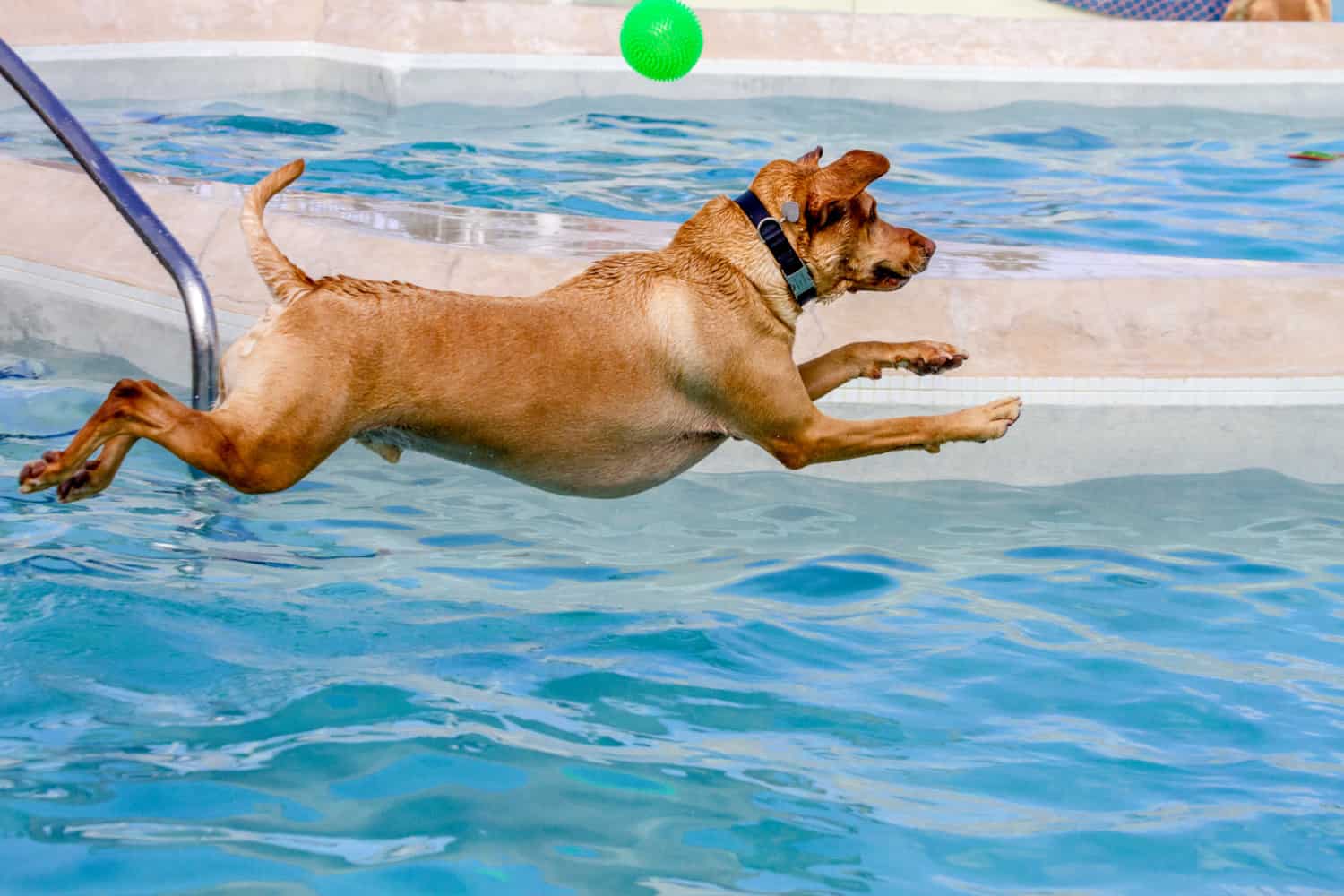
Teaching a dog to swim is not merely about expanding a pet’s recreational horizons; it is an essential life skill. Taking the time to introduce your dog to the water safely strengthens the human-animal bond, provides incredible low-impact physical conditioning, and sets the foundation for a lifetime of shared aquatic adventures.
Main Facts: The Hidden Risks and Profound Benefits of Canine Swimming
Statistics surrounding pet safety in and around water highlight the urgency of proper water acclimation. According to pet safety experts and animal welfare organizations, an estimated 10,000 dogs drown in the United States every year. The vast majority of these heartbreaking tragedies occur when unattended dogs accidentally fall or wander into backyard swimming pools and find themselves unable to escape.
Just like humans, dogs quickly exhaust themselves when they panic and splash frantically in deep water. Without an established exit strategy or the fundamental muscle memory required to stay afloat, exhaustion sets in rapidly. Consequently, teaching a dog how to swim—and, crucially, how to find and use the pool steps or ramp—is one of the most critical safety lessons a pet can master.
Beyond safety, swimming offers extraordinary health and wellness benefits:
- Low-Impact Rehabilitation and Conditioning: For dogs suffering from canine arthritis, hip dysplasia, spinal issues, or those recovering from orthopedic surgeries, traditional high-impact exercise can be excruciating. Water provides buoyancy that supports the dog’s body weight, significantly reducing stress on painful joints while allowing them to build muscle and burn calories safely.
- Weight Management: Canine obesity is a growing epidemic that contributes to numerous secondary health complications, including diabetes and heart disease. Swimming is a powerful aerobic workout that helps overweight dogs shed excess pounds without putting undue pressure on their developing or aging skeletal systems.
- Energy Burn for High-Drive Breeds: Working dogs and performance dogs—those involved in agility, flyball, herding, tracking, and obedience—possess seemingly endless reservoirs of energy. Owners frequently turn to swimming to keep these high-drive athletes in peak physical condition during off-seasons or as a complement to their regular training regimens.
Chronology: Understanding the Canine Swimming Spectrum
Not every dog wants to swim, and not every dog is physically built for it. Before diving into lessons, pet parents must evaluate where their companion falls on the aquatic spectrum, ranging from absolute land-lovers to water-obsessed retrievers.
Physical Limitations and Breed Variations
Anatomical differences play a massive role in a dog’s buoyancy and swimming capability. Short-necked, large-chested breeds with heavy bone density—such as Bulldogs, Pugs, and Boxers—often struggle to keep their heavy heads above water, making traditional swimming dangerous without specialized canine flotation devices (life jackets). Conversely, even natural sporting breeds like Spaniels and Retrievers may initially require gentle guidance to coordinate their limbs properly.
Historical Observations from the Pet Community
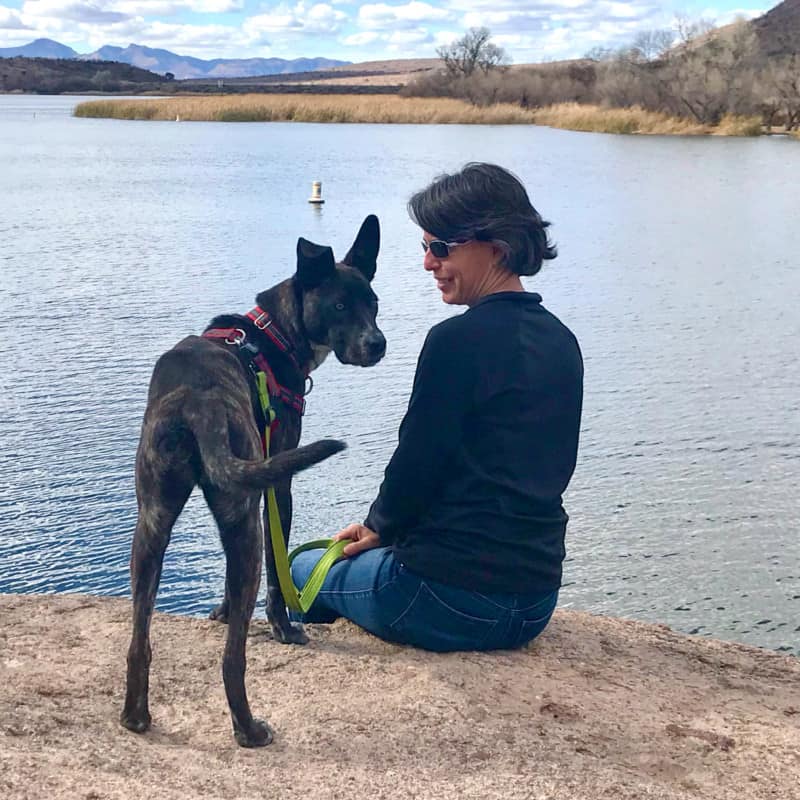
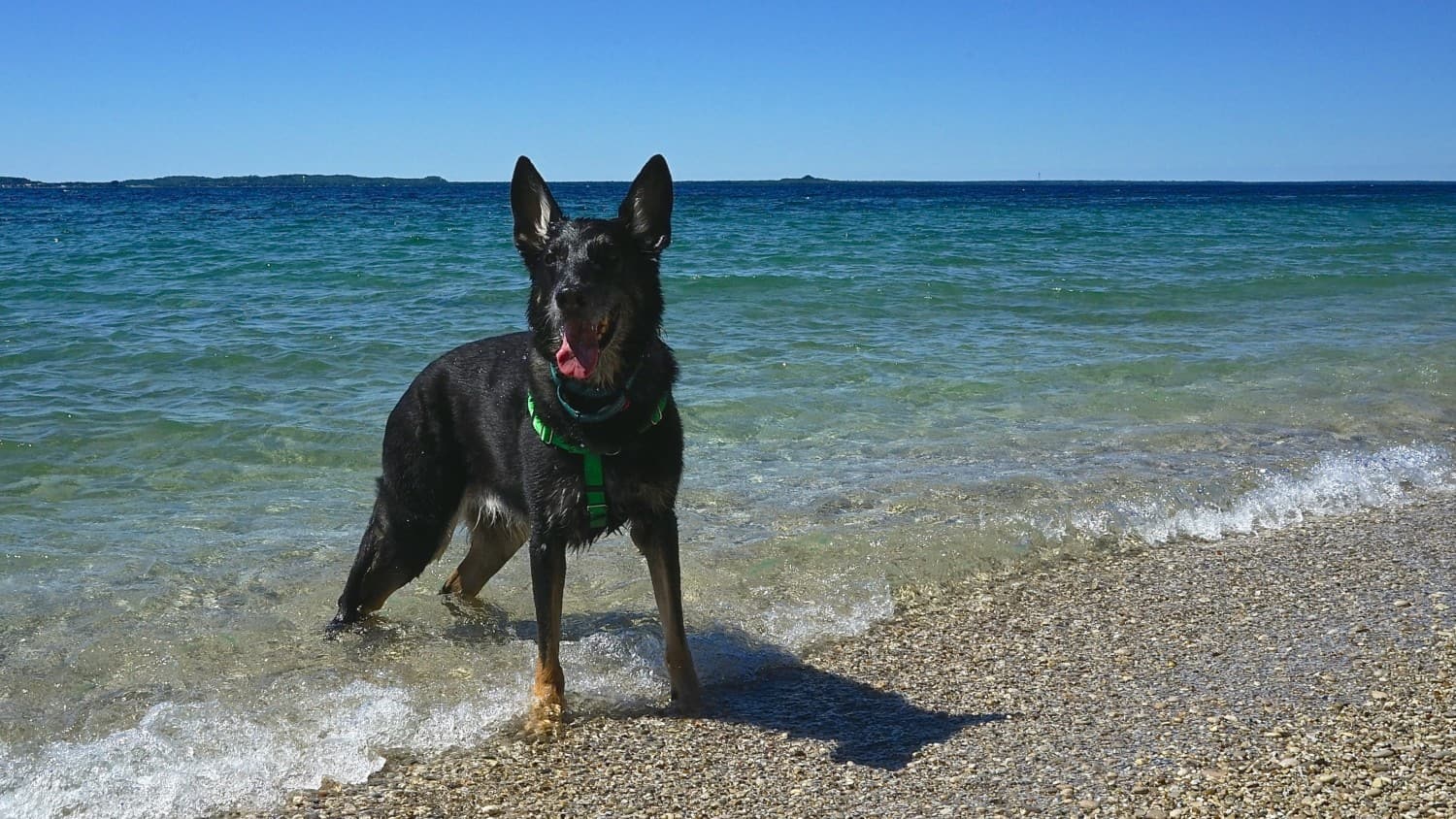
Experienced pet travelers and owners recognize these distinct personalities instantly. For instance, many dogs—much like Myles, a beloved fixture in the GoPetFriendly community—loathe being wet under any circumstance, actively navigating around puddles and preferring to admire bodies of water strictly from dry land. On the other hand, dogs like Buster lived for the waves, prompting their owners to seek out pet-friendly coastal destinations year after year.
The Three-Tier Skill Assessment
To determine your dog’s natural swimming aptitude, pet experts recommend a simple, controlled introduction:
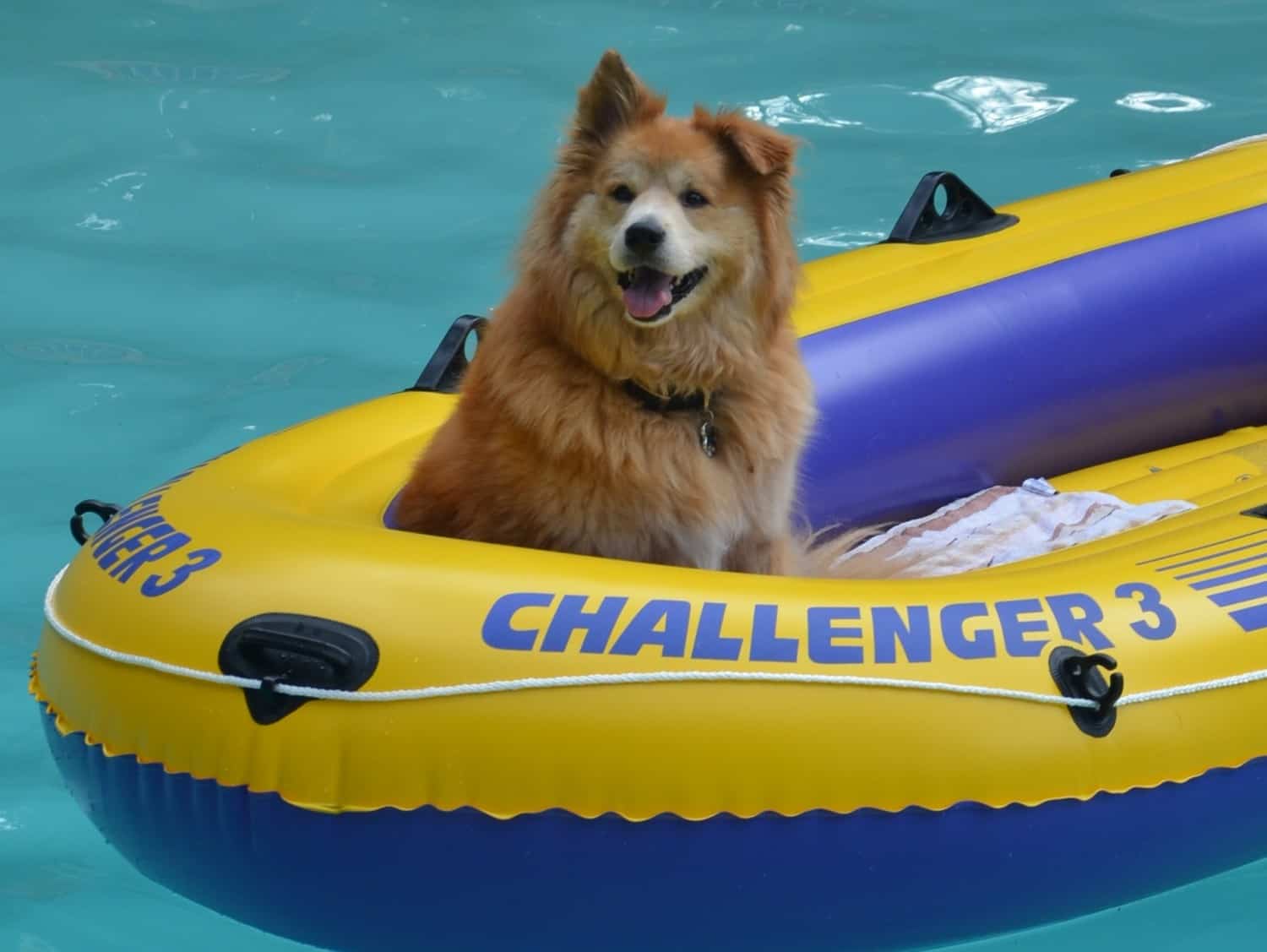
- The Reluctant Wader: If your dog panics, struggles aggressively to return to dry land, or refuses to enter the water unless placed on a floating raft, they fall into the "reluctant" category. For these dogs, building confidence requires immense patience, enticing treats, favorite toys, and zero pressure. For some, the best approach is accepting that swimming simply isn’t their preferred hobby.
- The Front-Paw Paddler: If your dog enters the water but relies exclusively on their front legs while their hind paws slap helplessly at the surface, they possess the desire but lack the technique. With gentle human support under their belly, these dogs quickly learn to incorporate their hind legs and tails to achieve proper propulsion.
- The Natural-Born Swimmer: If your dog immediately begins kicking their front and back legs in a synchronized, harmonious "doggie paddle," you have struck gold. These dogs take to the water with instinctive grace and confidence.
Supporting Data: Step-by-Step Water Safety and Best Practices
When embarking on swim lessons with your dog, establishing a structured, stress-free protocol ensures that the experience remains positive for both parties.
1. Start Slowly and Eliminate Fear
Never force, throw, or push a dog into the water. Such traumatic introductions can instill a lifelong phobia of water. Instead, select a calm, shallow entry point where the water temperature is comfortable—neither freezing nor overly warm. Lure your dog into the shallows using high-value treats or floating water toys, allowing them to wade at their own pace where their paws can securely touch the bottom.
2. Monitor Energy Levels and Take Frequent Breaks
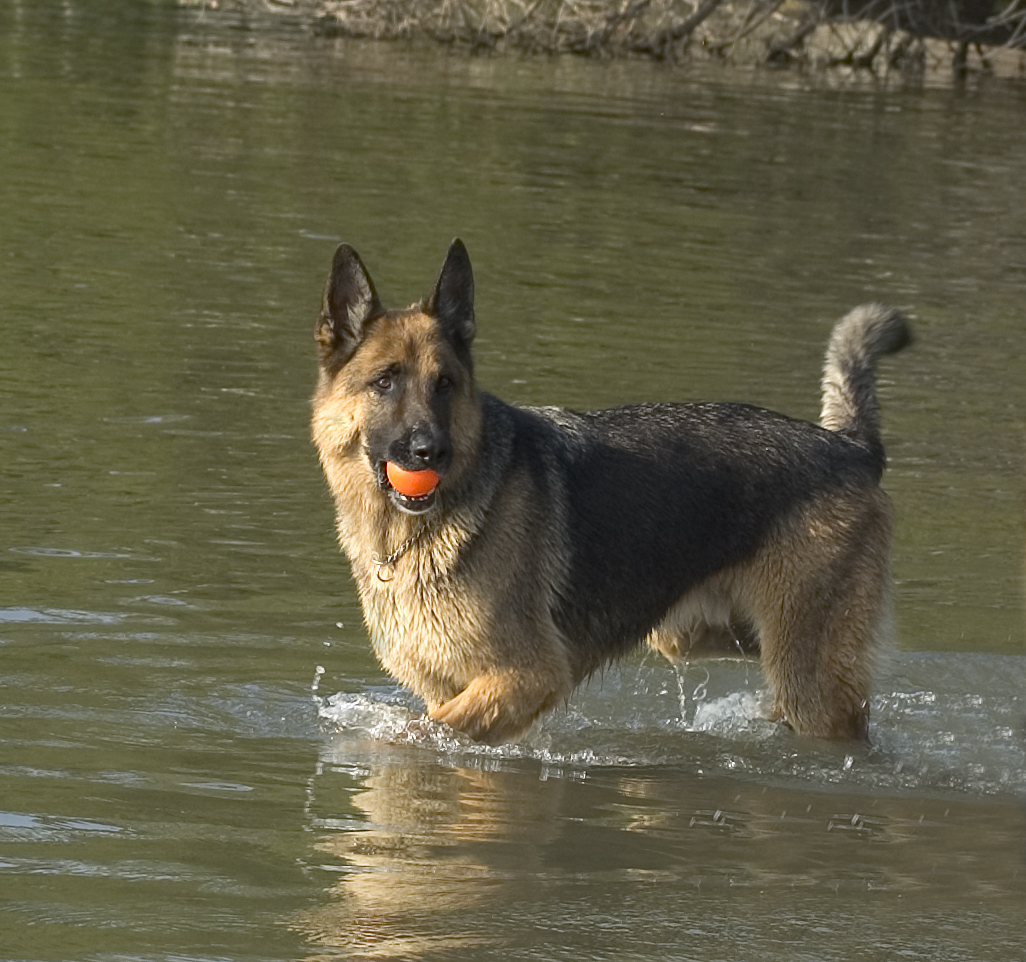
Dogs having the time of their lives will rarely self-regulate. They will fetch a ball until absolute physical exhaustion overtakes them. Watch closely for heavy, labored breathing, an uncoordinated gait upon returning to land, or a sagging rear end in the water. These are unmistakable signs that it is time to exit the water, rest in the shade, and offer fresh drinking water.
3. Post-Swim Hygiene and Health Maintenance
Aquatic environments pose distinct health hazards that require post-swim care:
- Chlorine and Chemical Irritants: Pool chemicals can dry out a dog’s skin and cause severe eye irritation.
- Natural Water Bacteria: Lakes, rivers, and ponds can harbor harmful bacteria, algae blooms, and parasites like Giardia.
- Ear Infections: Moisture trapped inside floppy or hairy canine ears creates a breeding ground for yeast and bacteria.
- The Remedy: Always thoroughly rinse or shampoo your dog’s coat immediately after swimming, and take special care to clean and dry their ear canals completely.
Official Responses and Expert Insights
Animal care professionals emphasize that water safety extends far beyond the swimming pool. According to renowned pet safety crusader Denise Fleck—an award-winning author, radio show host, and animal care instructor who developed standardized pet first-aid and CPR curricula—preparedness is the ultimate key to canine longevity.
"Water sports offer incredible enrichment for our four-legged family members, but pet parents must always act as vigilant lifeguards," Fleck notes. "Understanding your dog’s physical limitations, recognizing the signs of water intoxication or exhaustion, and knowing basic pet first-aid can mean the difference between a wonderful afternoon and a veterinary emergency."
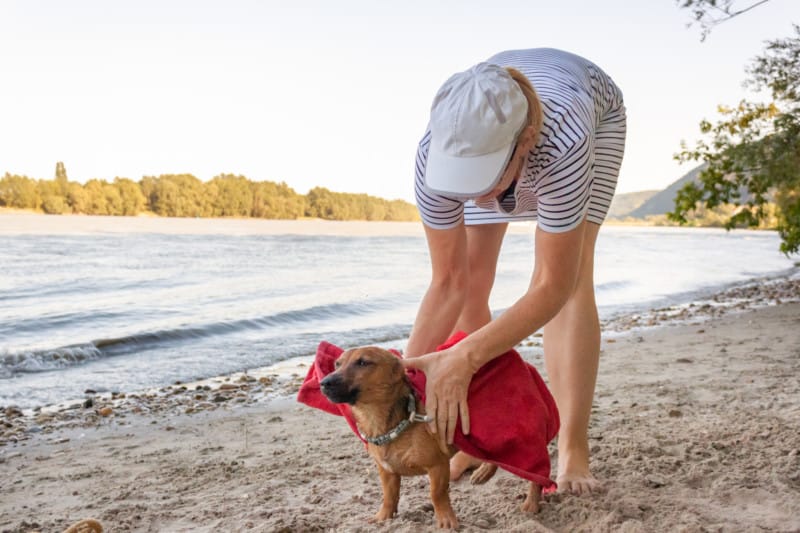
Veterinary professionals also urge owners to research local emergency veterinary clinics before embarking on waterfront vacations, ensuring they know where to turn if unexpected accidents or ingestions occur.
Implications: Expanding Horizons into Advanced Canine Water Sports
Once a dog has mastered basic buoyancy, water entry, and safe exit strategies, a whole new world of recreational opportunities opens up for pet and owner alike.
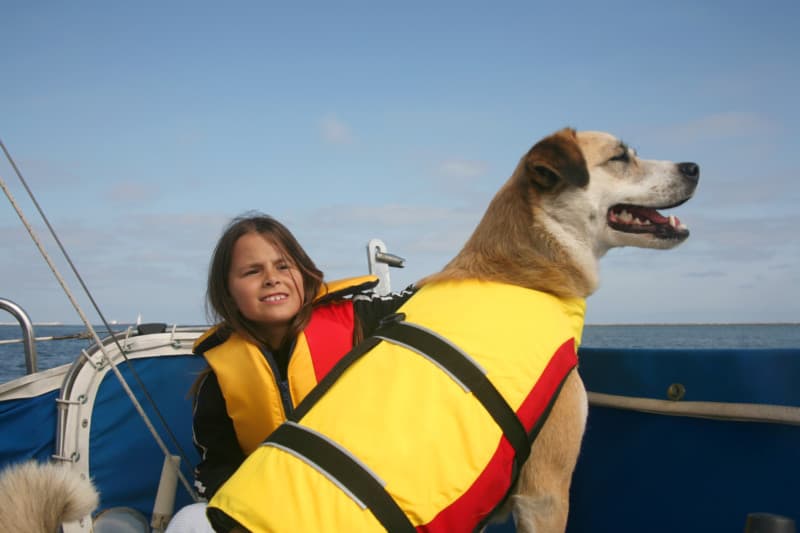
Modern pet culture embraces an array of shared water activities that cater to adventurous canine athletes:
- Paddleboarding and Kayaking: Equipping your dog with a properly fitted canine life jacket (complete with a sturdy grab handle on the back) allows them to join you on calm lakes and slow-moving rivers.
- Boating and Sailing: Exploring coastal waters or island shores with a confident, secure dog creates unforgettable travel memories.
- Dock Diving and Retrieving Contests: For high-energy sporting dogs, competitive dock diving provides an organized outlet for their natural leaping and swimming abilities.
Whether your canine companion turns out to be the next four-legged Michael Beard or simply prefers dipping their paws in a backyard kiddie sprinkler, water activities offer a fantastic avenue for deepening companionship. By practicing patience, keeping sessions brief, and prioritizing safety above all else, you and your dog can look forward to a lifetime of happy, healthy splashing together.