While parakeets—often referred to as budgerigars or budgies—are not inherently unhygienic creatures, they are prone to accumulating dust, dander, and environmental debris within their plumage. As captive birds, their natural instincts for self-grooming remain sharp, yet they rely heavily on their owners to provide the necessary resources to maintain their physical health. For many novice bird owners, the question of whether a parakeet requires a "bird bath" is common. The professional consensus is clear: providing bathing opportunities is not merely a luxury; it is a fundamental pillar of avian welfare.
The Science of Avian Plumage Maintenance
To understand why a parakeet needs a bath, one must first understand the biology of their feathers. Unlike mammals, which often rely on oils or specialized grooming behaviors, birds possess feathers that require both meticulous preening and periodic hydration to remain functional.
In the wild, parakeets are native to the arid and semi-arid regions of Australia. Despite these harsh environments, they possess an innate, evolved drive to locate water sources for bathing. This behavior serves several critical functions:
- Dander Removal: Parakeets produce a fine, powdery dust as they grow new feathers. Without regular bathing, this dander can build up, potentially leading to respiratory irritation for both the bird and its owner.
- Feather Integrity: Water helps soften the keratin sheath of developing feathers and removes dirt that can compromise the structural integrity of the plumage, which is essential for flight.
- Thermoregulation: Bathing helps birds manage their body temperature, especially in indoor environments where heating systems can dry out the air.
While parakeets are industrious when it comes to preening, they lack the anatomical ability to reach every part of their body with their beak alone. Water acts as a vital tool, allowing them to penetrate deep into the feather layers to dislodge debris that preening alone cannot address.
A Chronology of Care: Establishing a Bathing Routine
The process of introducing a bird bath into a parakeet’s life is best handled through patience and observation. Because birds are prey animals, they are naturally cautious of new objects introduced into their environment.
Phase 1: Familiarization
The first step is introducing the bathing vessel. Owners should avoid forcing the bird into the water. Instead, place a shallow container—an old, clean margarine tub or a specialized commercial bird bath—at the bottom of the cage. During the first few days, the bird may show only mild interest or, conversely, complete avoidance. This is a normal stage of acclimation.
Phase 2: Building Positive Association
To encourage interaction, some owners choose to place the bath in the cage for a few hours daily, rather than leaving it in permanently at the start. This prevents the water from becoming contaminated with droppings. Gently demonstrating the water’s safety—by dipping your own fingers into the bowl—can pique the curiosity of a nervous parakeet.
Phase 3: The Routine
Once the parakeet has begun to use the bath, consistency becomes key. Ideally, the bird should have access to a clean water source for bathing every single day. While some birds will dive in with enthusiasm, others may be more sporadic. Regardless, the availability of the option is what matters most for their long-term psychological and physical comfort.
Supporting Data: Why "Forced" Bathing is Counterproductive
A common misconception among new bird owners is that they must actively assist in the washing process. Veterinary experts and avian behaviorists strongly advise against "manual" bathing, where a bird is held and submerged by a human.
The Risks of Forced Interaction
Forcing a parakeet into water induces significant stress. In birds, stress can lead to a suppressed immune system, making them more susceptible to illness. Furthermore, an intimidated bird may develop a permanent fear of water or, worse, a fearful association with its human caretaker.
Natural Instincts vs. Human Intervention
Data from avian studies suggest that birds are highly capable of self-regulating their grooming needs. When given a choice, a parakeet will determine the optimal frequency for its own bathing based on humidity, activity levels, and molt cycles. By providing a shallow, stable container, you are empowering the bird to satisfy its biological needs without the trauma of human interference.
Official Perspectives: The Expert View on Bathing Methods
While a simple bowl of water is the gold standard for most, there are varying schools of thought regarding alternative methods of hydration and cleansing.
The Case for Misting and Spraying
For parakeets that remain resistant to traditional bathing, or for those who simply enjoy additional stimulation, light misting is a highly recommended alternative. Using a dedicated spray bottle set to a fine, "fog" mist—never a harsh jet stream—owners can simulate the feeling of a light rain shower. This is particularly beneficial for birds living in low-humidity environments.
The Role of Fountains and Faucets
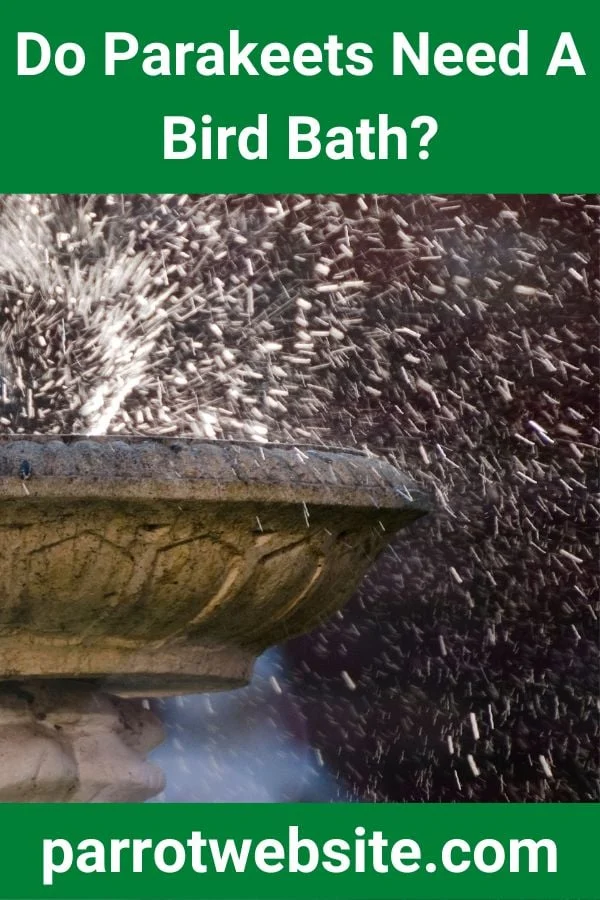
Many parakeets exhibit a fascination with running water. This stems from their wild ancestors, who often sought out rain-drenched leaves or flowing stream edges. Installing a small, safe, battery-operated bird fountain or allowing the bird to sit near a slow-dripping faucet can be an excellent enrichment activity. These methods often entice "reluctant bathers" into the water by appealing to their curiosity.
Implications for Seasonal Health
A frequent question involves the necessity of bathing during the winter months. There is a persistent myth that birds should not get wet in the cold. However, for a captive parakeet, "winter" is an artificial construct.
Maintaining Constant Environments
As long as the bird is housed in a room maintained at a stable temperature (ideally 70°F or higher), there is no biological reason to suspend the bathing routine. The primary danger during colder months is not the water itself, but the potential for drafts. If a bird is wet and exposed to a cold draft, it can quickly lose body heat, leading to hypothermia or respiratory distress.
Drying Protocols: The "Hands-Off" Approach
Never attempt to towel-dry a parakeet. The pressure of a towel can damage delicate wing feathers and crush the bird’s internal air sacs. The gold standard for drying is air-drying in a warm, draft-free, sunny spot. If natural sunlight is unavailable, ensure the room remains warm until the bird is completely dry. The sight of a wet, shivering-looking budgie is common—this is simply the bird’s way of maximizing surface area to facilitate evaporation.
Troubleshooting: When Your Bird Still Refuses
If your parakeet has been provided with a bath for weeks and still refuses to participate, consider the following environmental factors:
- Water Temperature: While room temperature is generally acceptable, some birds have personal preferences. Experiment with slightly warmer or cooler water—but never hot or icy cold.
- Vessel Depth: The water should be shallow—usually no deeper than the bird’s mid-leg. If the water is too deep, the bird may feel unstable and refuse to enter.
- Placement: Some birds prefer the bath on the floor of the cage, while others prefer a hook-on bath attached to the side. Experiment with placement to find what makes your specific bird feel secure.
Conclusion: The Path to a Happy, Healthy Bird
The requirements for a parakeet’s hygiene are deceptively simple yet profoundly important. By providing a clean, accessible water source, respecting the bird’s autonomy, and ensuring a stable, warm environment, you are contributing significantly to its overall quality of life.
A well-groomed parakeet is not just a cleaner pet; it is a more comfortable and content one. Regular bathing keeps the feathers in prime condition, supports healthy skin, and provides a much-needed outlet for natural, instinctual behaviors. Whether your bird is a "daily diver" or a "periodic mister," the key is to ensure that the option is always there. When you grant your parakeet the agency to care for itself, you are fostering a bond built on trust, respect, and a deep understanding of what it means to be a responsible, compassionate guardian of a companion animal.