By Paige K Parsons
Published by Rabbit.org
Main Facts
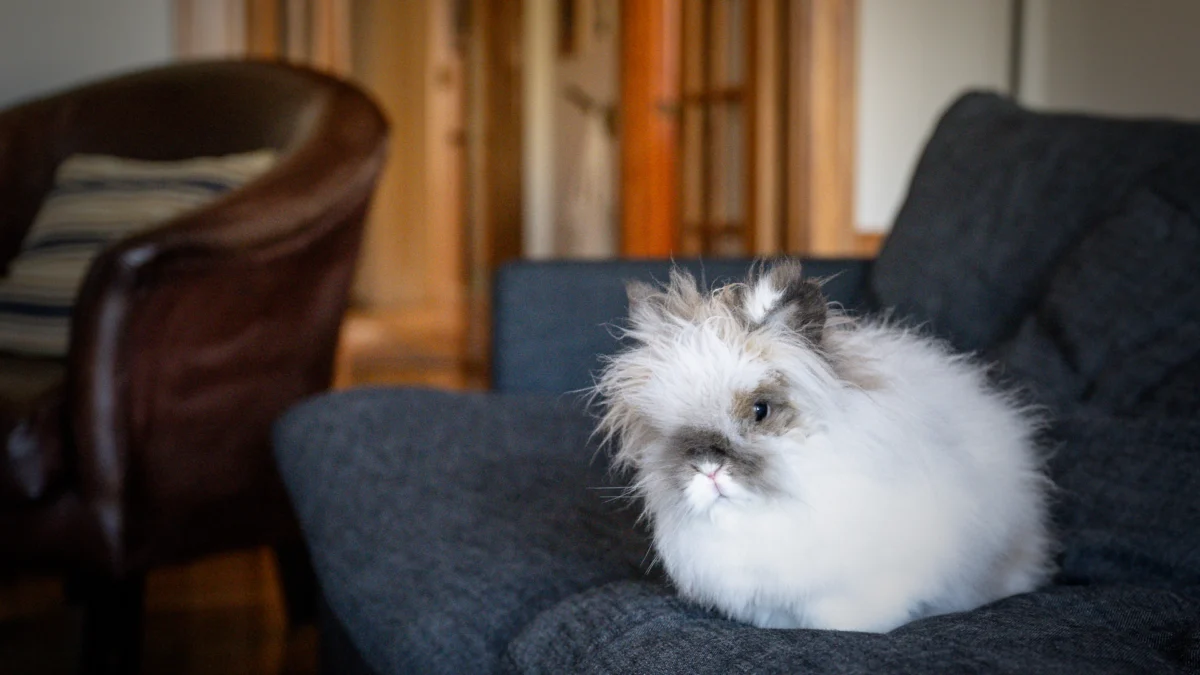
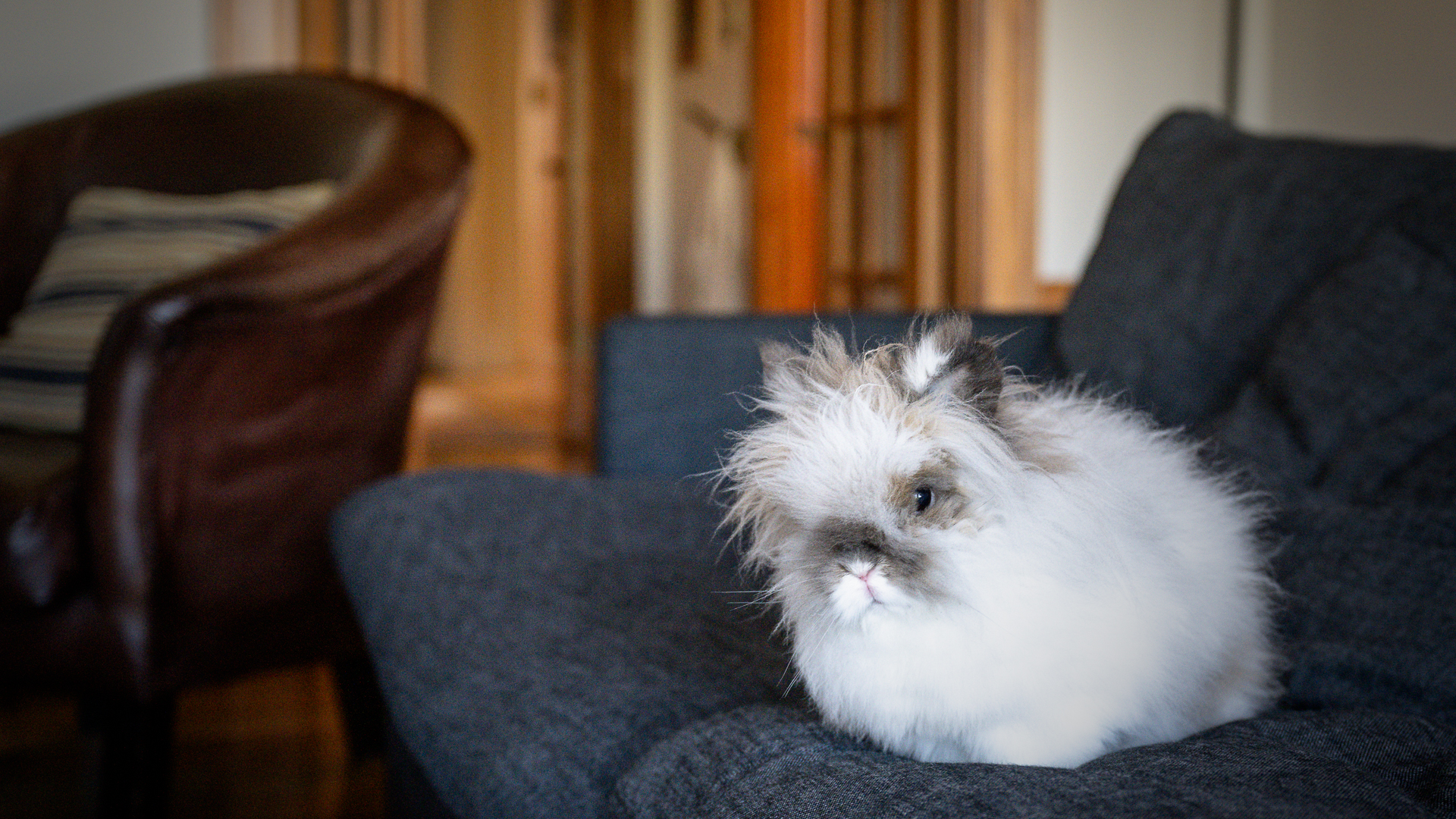
With their distinct, soft halos of fur framing their faces like miniature royal crowns, Lionhead rabbits are among the most visually striking small companion animals in the world. Their storybook appearance—combining compact bodies with a dramatic wool mane—makes them instantly irresistible to prospective pet owners browsing through online photo galleries or retail storefronts. However, this aesthetic appeal frequently overshadows a demanding biological reality: maintaining a Lionhead’s signature coat is a high-maintenance, long-term commitment that requires daily intervention.
Beneath the photogenic exterior lies a delicate animal prone to severe matting, moisture retention, and skin trauma if grooming is neglected. Across the country, animal rescues and foster networks are grappling with an influx of surrendered Lionhead rabbits. Many of these animals arrive with pelted, severely matted fur that conceals underlying infections, wounds, and parasites. The root cause of this welfare crisis is rarely malicious neglect; rather, it is systemic misinformation, impulse purchasing, and the commercial sale of high-maintenance exotic pets by mainstream retail chains that fail to educate buyers on proper husbandry.
Chronology
To understand how a charming small mammal became a fixture in rescue shelters, it is necessary to examine the lifecycle of a typical Lionhead purchase and surrender cycle:
- The Impulse Phase: A consumer encounters a juvenile Lionhead rabbit at a commercial retailer (such as Petland or Tractor Supply) or via an unverified online breeder. Drawn in by the animal’s docile demeanor and cartoonish fluff, the buyer purchases the rabbit on the spot, often alongside inadequate housing and improper commercial diets.
- The Honeymoon Period (Months 1–3): During the rabbit’s youth, its coat may require minimal upkeep, masking the intense grooming demands that loom ahead as the animal transitions into adulthood.
- The Coat Transition and Matting Crisis (Months 4–8): As the rabbit matures, its adult coat comes in—frequently a thick, double-density fleece. Without daily brushing sessions, the fine hairs around the neck, flanks, and hindquarters begin to intertwine, forming dense mats that pull tightly against the skin.
- The Onset of Health Complications: Unaddressed mats trap moisture, urine, and fecal matter, creating a breeding ground for bacteria and inviting blowflies (leading to flystrike, a rapidly fatal condition). The rabbit experiences chronic skin discomfort, pulling, and restricted mobility.
- Surrender: Overwhelmed by the animal’s specialized grooming needs, mounting veterinary bills, or behavioral shifts resulting from chronic pain, the owner surrenders the rabbit to a local rescue group or abandons it outdoors.
- Rehabilitation and Adoption: Rescues step in to shave away pelted fur, treat infections, spay or neuter the animal, and place it into an educated foster home until a qualified adopter can be found.
Supporting Data
The challenges facing Lionhead rabbits and other long-haired breeds—such as Angoras, Jersey Woollies, and Fuzzy Lops—are quantitatively reflected in shelter intake logs and veterinary case studies.
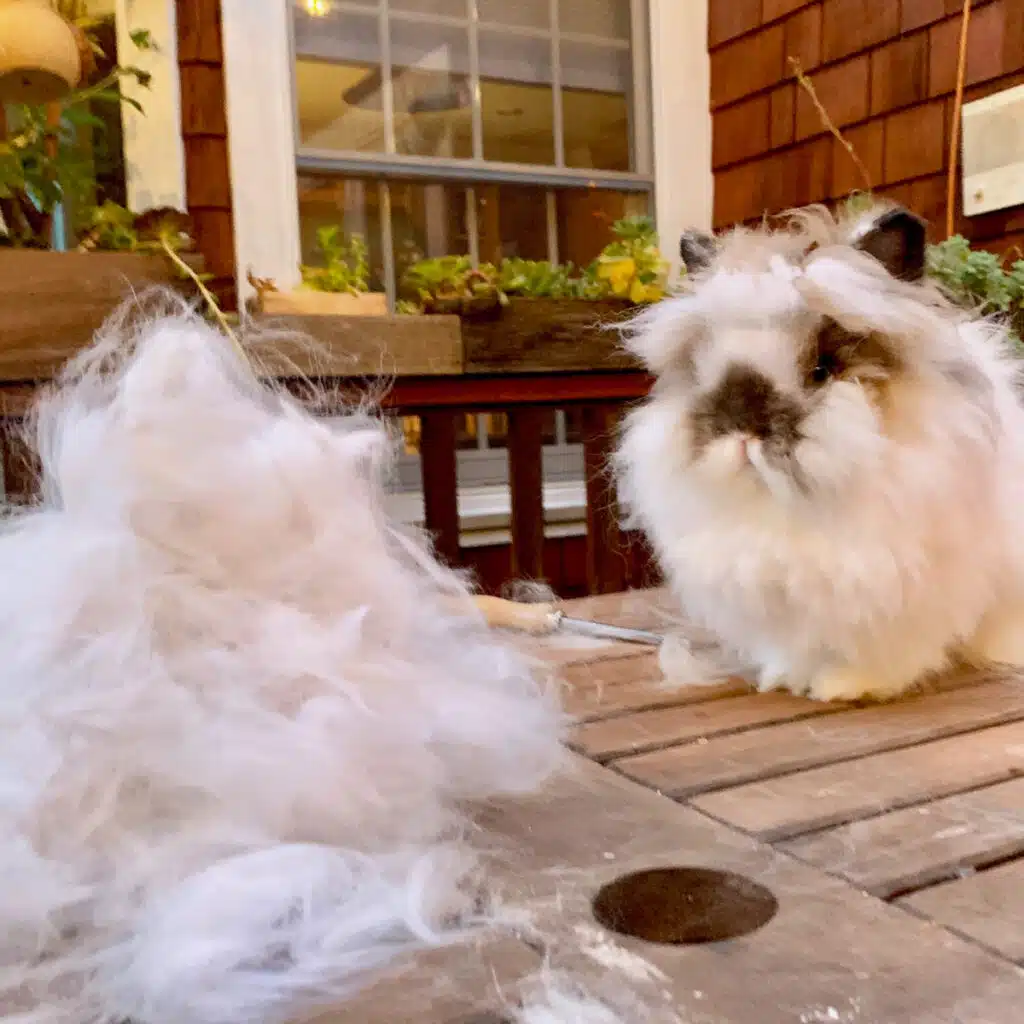
- Grooming Volume: A single routine brushing session for an adult Lionhead can yield a pile of loose undercoat larger than the rabbit’s own body volume. This continuous shedding is a natural part of their biology, but it demands an unwavering daily time investment from the owner.
- Shelter Demographics: Exotic animal rescues report that long-haired breeds disproportionately represent owner-surrender populations compared to short-haired counterparts like Dutch or New Zealand rabbits.
- Veterinary Risk Factors: According to rabbit-savvy veterinarians, untreated matting is a primary catalyst for secondary medical issues, including gastrointestinal stasis (brought on by stress and pain), moist dermatitis, urine scalding, and severe flystrike during warmer months.
- Commercial Output: Major retail chains continue to source and sell juvenile rabbits with minimal pre-sale vetting, often releasing unspayed or unneutered animals into the pet trade prematurely. This practice exacerbates pet overpopulation and directly fuels the burden carried by non-profit shelter networks.
Official Responses
Animal welfare organizations, rabbit advocacy groups, and rescue coalitions have mobilized a multifaceted response to combat the systemic exploitation and misunderstanding of Lionhead rabbits.
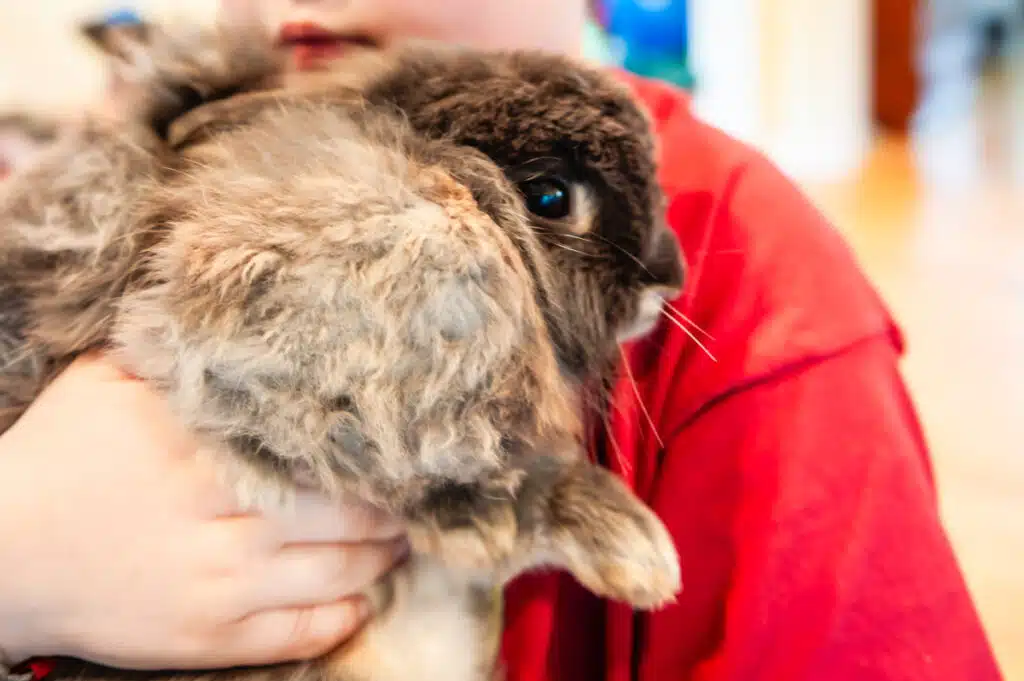
- Advocacy and Pet Store Campaigns: Organizations like the House Rabbit Society have launched targeted campaigns—such as the "Stop Petland Rabbit Sales" initiative—urging corporations to halt the retail sale of rabbits. These campaigns feature petitions (hosted on platforms like Change.org) demanding that stores cease treating live animals as impulse-buy merchandise.
- Shelter Protocols: Rescue organizations have restructured their intake procedures for long-haired breeds. Intake evaluations now routinely include professional dematting, sanitary trims, and comprehensive skin assessments. Foster parents are trained to educate potential adopters explicitly on coat maintenance before any adoption is finalized.
- Educational Outreach: Rescues and veterinary professionals have published exhaustive care guides, video tutorials, and step-by-step manuals covering topics ranging from daily brush selection to specialized clipping techniques for long-haired rabbits. These resources emphasize that adoption through a reputable rescue remains the gold standard for prospective owners, as shelters provide transparent assessments of an individual rabbit’s grooming tolerance and temperament.
Implications
The plight of the Lionhead rabbit serves as a microcosm for broader ethical and logistical challenges within the exotic pet trade.
The Ethics of Living Aesthetics
When animals are bred primarily for hyper-specific aesthetic traits—such as a voluminous mane or extreme dwarfism—their baseline biological needs are frequently compromised. The Lionhead’s mane is not merely a decorative feature; it is an evolutionary adaptation that, in domestic settings, requires human intervention to mimic natural wear-and-tear or grooming behaviors that prevent pelt formation. When consumers prioritize visual novelty over functional husbandry, the animal bears the physiological cost.
Systemic Strain on Rescue Infrastructure
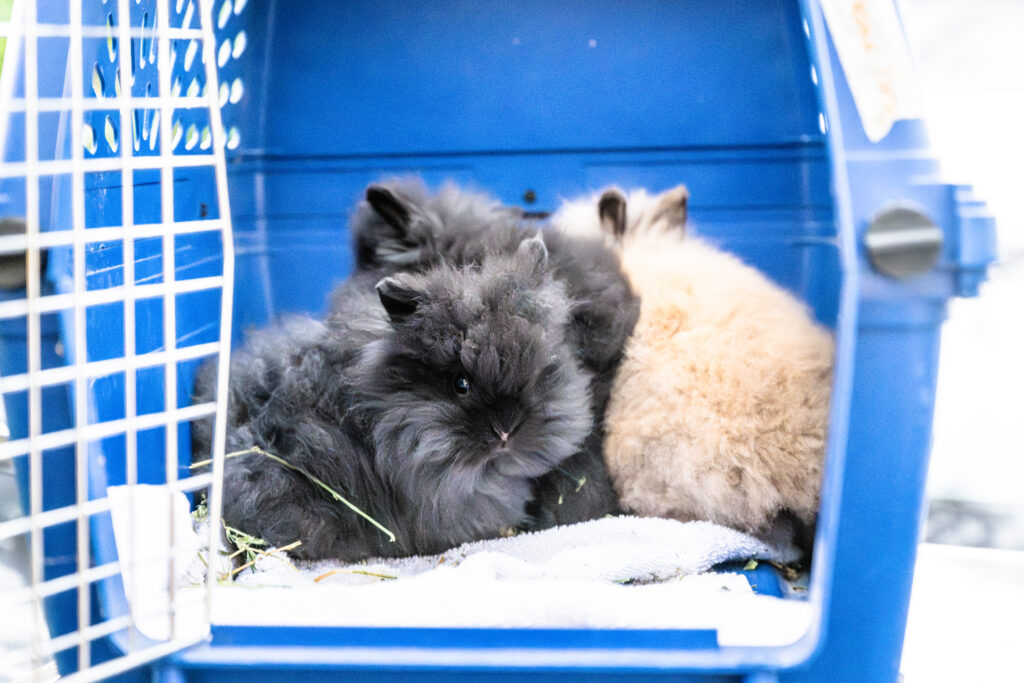
Because commercial breeders and pet stores can mass-produce and retail juvenile rabbits faster than shelters can process them, non-profit organizations face an endless cycle of intake. Foster homes are stretched to their limits, and veterinary budgets are strained by the intensive medical care required to rehabilitate neglected, matted, and unsterilized rabbits. Addressing this imbalance requires legislative and consumer-driven shifts away from retail pet sales and toward ethical adoption models.
Fostering Responsible Stewardship
Ultimately, living with a Lionhead rabbit can be a deeply rewarding experience. These animals are naturally curious, highly social, and expressive companions that thrive in indoor environments with proper housing, mental enrichment, and high-fiber diets. However, the success of this human-animal bond hinges entirely on education. By reframing public perception—moving away from the impulse-driven "cute factor" and toward informed, responsible stewardship—the community can ensure that a Lionhead’s majestic mane remains a source of joy for the animal and its caregiver, rather than a painful burden.