SALEM, Oregon — The Oregon Department of Agriculture (ODA) has issued a formal health alert following the confirmed and suspected diagnoses of equine pigeon fever in two distinct regions of the state. State veterinary officials are urging horse owners, trainers, and equestrian facility managers to heighten their biosecurity measures and closely monitor their herds following reports from Deschutes and Morrow counties.
The outbreak brings renewed attention to a persistent and uncomfortable bacterial infection that peaks annually during the late summer and autumn months. While pigeon fever is rarely fatal when treated promptly and correctly, it can cause severe discomfort for affected equines, significant management challenges for owners, and costly veterinary interventions.
According to verified reports disseminated through the Equine Disease Communication Center (EDCC) Health Watch network, the recent cases highlight the geographic spread and persistent nature of the bacterium Corynebacterium pseudotuberculosis within the Pacific Northwest.
Main Facts
The latest data released by the Oregon Department of Agriculture outlines a localized cluster of infections spanning two Oregon counties:
- Deschutes County: One horse has been officially confirmed positive for equine pigeon fever through laboratory testing. Additionally, two other horses in the immediate area are displaying clinical signs consistent with the disease and are currently classified as suspected positive cases awaiting final diagnostic confirmation.
- Morrow County: Two horses have tested positive for the bacterial infection. A third horse in the county has been identified as having direct exposure to the confirmed cases and is being closely monitored by veterinarians and owners for the development of clinical symptoms.
Understanding Pigeon Fever
Equine pigeon fever—scientifically known as Corynebacterium pseudotuberculosis infection (and sometimes referred to as dryland distemper)—is a bacterial disease that primarily affects horses, though it can occasionally impact cattle and other livestock.
The disease derives its common name, "pigeon fever," from the characteristic physical presentation of the infection in horses. As large, purulent abscesses form—most frequently on the horse’s pectoral muscles (chest) or under the ventral midline (belly)—the swelling can cause the horse’s chest to take on a prominent, pigeon-like appearance.
However, infections are not exclusively limited to the chest and abdomen. Veterinary literature categorizes pigeon fever into three primary clinical forms:
- External Abscesses: The most common form, characterized by localized swellings filled with thick, odorless, pale-green or creamy pus. These typically rupture or require lancing and draining.
- Internal Infection: A more severe, systemic form where abscesses develop in internal organs, such as the liver, spleen, kidneys, or lungs. This form can cause chronic weight loss, fever, lethargy, and poor performance, and it carries a guarded to poor prognosis if left untreated.
- Ulcerative Lymphangitis: An infection of the lymphatic system, usually affecting the lower limbs, resulting in painful swelling, lameness, and ulcerating nodules along the lymphatic vessels.
Transmission and Vectors
Unlike airborne viruses, Corynebacterium pseudotuberculosis is a soil-borne and vector-borne bacterium. It typically enters a horse’s body through breaks in the skin, such as minor abrasions, cuts, insect bites, or scrapes acquired from brush, fencing, or grooming tools.
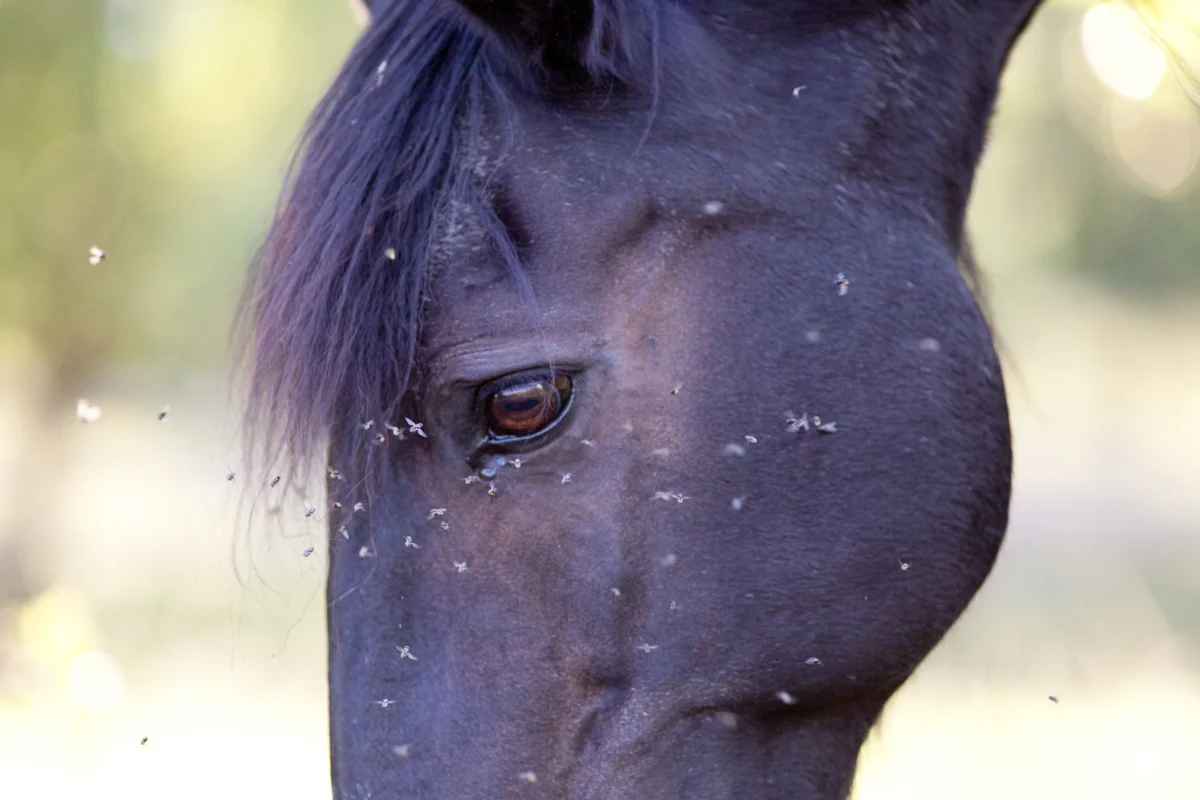
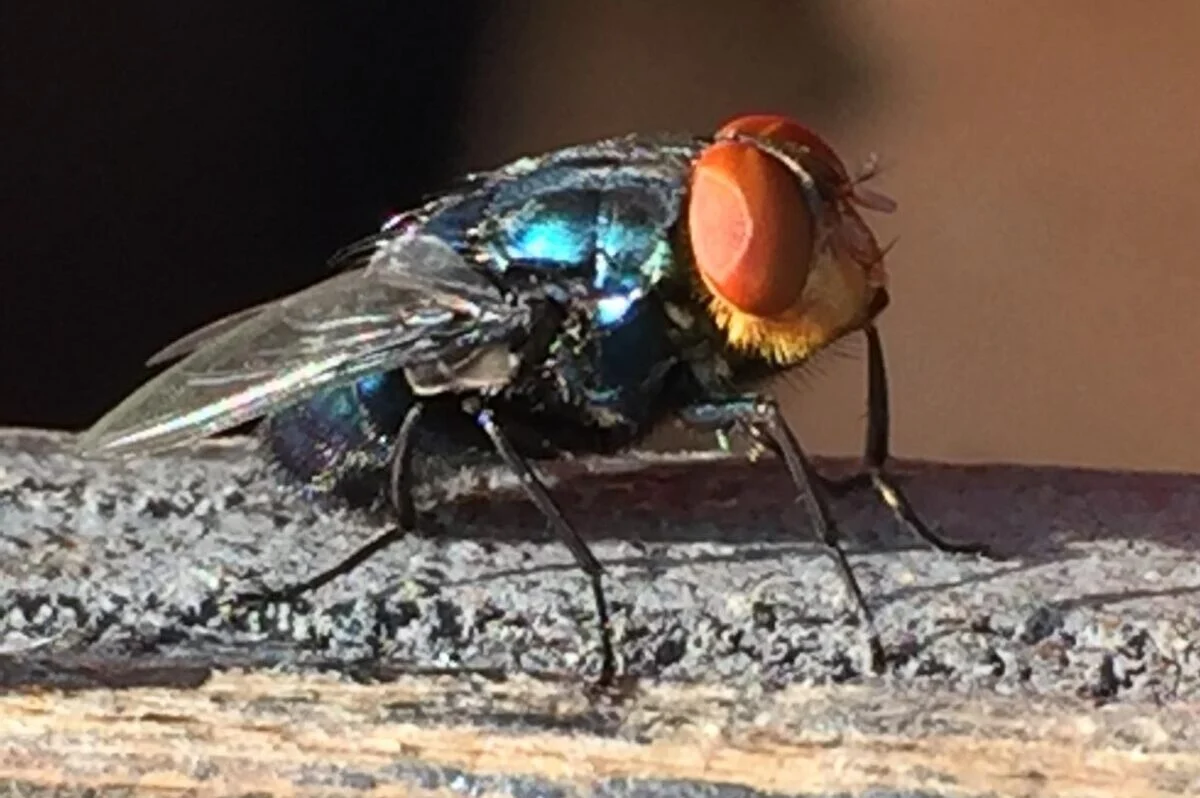
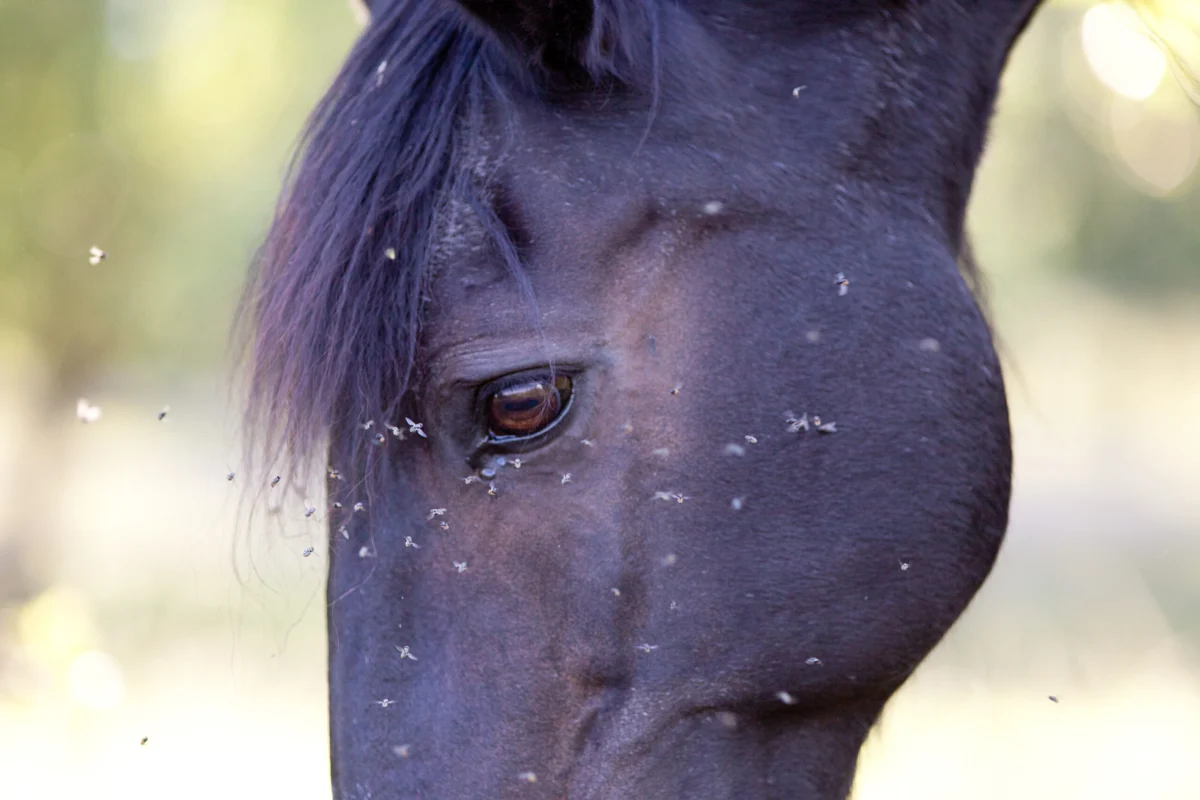
Furthermore, research strongly implicates biting insects—specifically house flies (Musca domestica), stable flies (Stomoxys calcitrans), and horn flies—as mechanical vectors. These insects feed on the purulent discharge from active abscesses or contaminated soil and subsequently transfer the bacteria to healthy horses. Consequently, fly control is an indispensable component of pigeon fever prevention, particularly during the late summer and autumn peak seasons.
Chronology of the Outbreak
The detection of these latest cases follows a timeline typical of seasonal flare-ups in western states, where dry, dusty conditions combined with high insect populations create optimal conditions for transmission.
- Late Summer (August): As temperatures remain high and pastures dry out across central and eastern Oregon, environmental conditions become increasingly favorable for the survival of Corynebacterium pseudotuberculosis in the soil. Biting insect populations peak during this window, setting the stage for increased transmission rates.
- Early September: Equine practitioners in Deschutes and Morrow counties begin noting unusual, localized pectoral swellings in a small number of patients. Initial physical examinations prompt veterinarians to recommend diagnostic panels and bacterial cultures to differentiate pigeon fever from other conditions, such as equine viral arteritis, insect hypersensitivity reactions, or streptococcal infections.
- Mid-September: Laboratory results confirm the presence of Corynebacterium pseudotuberculosis in samples taken from horses in both counties. The ODA is notified of the positive diagnoses in Morrow County and the initial positive and suspected cases in Deschutes County.
- Late September: Official disease reports are processed and published through the EDCC network to alert regional veterinarians, transport companies, and equine facility operators. Biosecurity advisories are distributed locally, urging heightened observation, isolation protocols, and rigorous sanitation practices.
- Present Day: State officials and local veterinarians continue to monitor the affected premises. Quarantines or voluntary movement restrictions are established on affected farms to prevent the inadvertent spread of the bacterium to neighboring properties or upcoming equestrian events.
Supporting Data and Veterinary Insights
To contextualize the current Oregon cases, it is helpful to examine historical trends associated with Corynebacterium pseudotuberculosis. While pigeon fever was historically considered a disease endemic primarily to arid and semi-arid regions of the western United States—such as California, Nevada, and parts of the Intermountain West—changing climatic patterns, increased interstate movement of horses, and shifting environmental conditions have contributed to its broader geographical distribution.
Epidemiological Factors
- Seasonality: Data compiled by the EDCC and state departments of agriculture consistently show that over 80% of pigeon fever cases manifest between August and November. The combination of dry soil, dust, and peak fly seasons correlates directly with case spikes.
- Age and Breed Vulnerability: While horses of any age, sex, or breed can contract pigeon fever, epidemiological studies indicate that horses between the ages of one and five years old are statistically more likely to develop external abscesses than older horses, potentially due to lower acquired immunity. However, older horses can and do contract the disease, often experiencing more severe internal manifestations.
- Economic and Management Impact: The economic toll of an outbreak on a boarding stable, breeding farm, or training facility can be substantial. Treatment often requires prolonged courses of non-steroidal anti-inflammatory drugs (NSAIDs), hydrotherapy, wound care, and, in some cases, targeted antibiotic therapy. Furthermore, the mandatory isolation of sick horses disrupts training schedules, breeding programs, and equine sales.
Best Practices for Prevention and Biosecurity
Veterinary experts emphasize that while eliminating Corynebacterium pseudotuberculosis from the environment is impossible—given that the bacterium lives naturally in the soil—horse owners can drastically reduce the risk of infection by adhering to rigorous management protocols. Key biosecurity measures include:
- Strict Fly and Insect Control: Because insects play a major role in spreading the bacteria, implementing aggressive fly mitigation strategies is vital. This includes using fly masks, sheets, and leg wraps; applying EPA-approved equine fly sprays; utilizing feed-through larvicides; removing manure promptly; and eliminating standing water sources where insects breed.
- Wound Management and Sanitation: Inspect horses daily for minor scrapes, cuts, and insect bites. Clean and treat all skin wounds immediately with antiseptic solutions. Ensure that grooming tools, tack, and blankets are not shared between horses without thorough washing and disinfection.
- Quarantine Protocols: Newly introduced horses should be isolated from the general herd for a minimum of 14 to 21 days. During this period, caretakers should monitor them closely for signs of fever, lethargy, or unexplained swelling.
- Disinfection of Facilities: Stalls, feeders, water troughs, and handling areas on affected properties must be thoroughly cleaned and sanitized using hospital-grade disinfectants capable of destroying resilient bacteria.
- Proper Disposal of Purulent Material: When abscesses rupture or are lanced by a veterinarian, the drainage contains millions of infectious bacteria. Caretakers must wear gloves, collect and properly dispose of contaminated bedding and bandages in sealed trash bags, and disinfect the surrounding soil or stall flooring.
Official Responses and Regulatory Guidance
The Oregon Department of Agriculture, in collaboration with the state veterinarian’s office, is actively managing the current situation through public education, diagnostic support, and regulatory oversight.
In an official statement released alongside the EDCC alert, state agricultural authorities stressed that while pigeon fever is not a federally regulated reportable disease that triggers sweeping state-mandated quarantines of entire counties, localized containment and transparent communication are critical.
"State and regional animal health officials rely heavily on transparent reporting and the cooperation of the private veterinary community," said a representative speaking on behalf of the state’s animal health division. "When owners identify unusual swellings and promptly involve their veterinarians, we can contain these bacterial clusters before they compromise broader regional equine populations."
Veterinary clinics throughout Deschutes and Morrow counties have reported an influx of inquiries from concerned horse owners. Local practitioners are advising clients not to panic, but to remain vigilant. Veterinarians remind the public that early detection is the single most effective tool in managing pigeon fever.
Owners who observe a soft or firm swelling on their horse’s chest, belly, or limbs—especially if accompanied by a reluctance to move, a lowered head carriage, or a low-grade fever—are instructed to contact their veterinarian immediately. Crucially, owners should avoid attempting to lance or aggressively drain suspected abscesses without professional veterinary guidance, as improper handling can spread the infection into surrounding healthy tissue or contaminate the environment.
Implications for the Oregon Equine Industry
The emergence of pigeon fever in Deschutes and Morrow counties carries several important implications for the broader Oregon equine community, touching upon animal welfare, event management, and veterinary economics.
1. Animal Welfare and Caregiver Vigilance
The primary implication is the immediate need for heightened daily observation by horse owners. In the early stages, pigeon fever can easily be mistaken for a localized injury, a simple insect bite reaction, or muscular stiffness. Caregivers must retrain their eyes to check ventral surfaces and pectoral regions during routine grooming. Ensuring that horses receive prompt, humane veterinary care minimizes pain, accelerates healing, and prevents the chronic complications associated with untreated internal abscesses.
2. Event and Boarding Facility Management
As equestrian activities, trail rides, fall horse shows, and sales continue across Oregon, facility managers and event organizers are reviewing their health entry requirements. While pigeon fever is transmitted via soil and vectors rather than direct horse-to-horse contact in most external cases, responsible facility operators are requesting health certificates, conducting basic wellness checks upon arrival, and advising participants from known affected areas to exercise caution. Boarding stables in Deschutes and Morrow counties have temporarily restricted outside visitors and enhanced their fly control regimens to protect client horses.
3. Increased Strain on Veterinary Resources
The diagnostic and therapeutic demands of treating pigeon fever place an additional burden on ambulatory equine practitioners. Managing multiple abscesses requires frequent farm visits, specialized wound management supplies, culture and sensitivity testing, and prolonged pharmaceutical regimens. Veterinary practices in the affected counties are utilizing this outbreak as an educational opportunity, publishing client advisories on biosecurity, and reinforcing the message that preventative management is far more cost-effective than reactive treatment.
Summary and Next Steps
The confirmation of equine pigeon fever in Deschutes and Morrow counties serves as a timely reminder of the constant microbial and environmental challenges facing horse owners in Oregon. Through continued collaboration between the Oregon Department of Agriculture, the Equine Disease Communication Center, local veterinary practitioners, and conscientious horse owners, the spread of Corynebacterium pseudotuberculosis can be effectively managed and mitigated.
For ongoing updates regarding this outbreak, horse owners are encouraged to monitor the official EDCC website (equinediseasecc.org) or consult directly with their herd health veterinarian for localized guidance tailored to their specific facility and management practices.