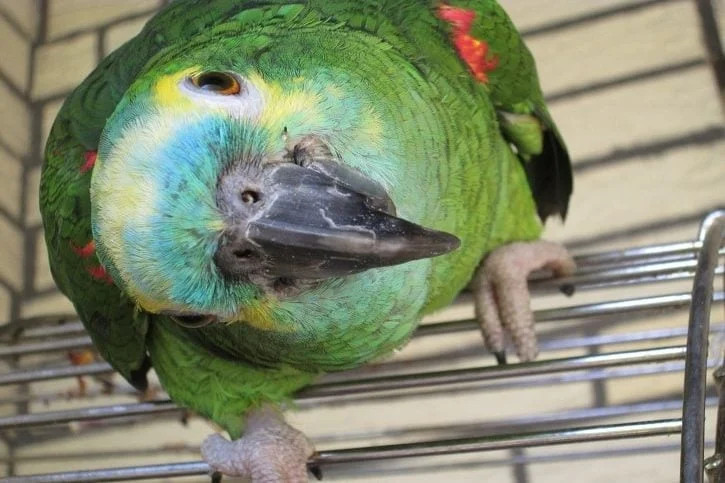
Amazon parrots are among the most charismatic, intelligent, and vibrant avian companions available to pet owners today. Renowned for their bubbly personalities, impressive vocal mimicry, and deeply social nature, these birds often capture the hearts of prospective owners instantly. However, behind the playful exterior and the affectionate bond lies a significant reality: the Amazon parrot is not a short-term commitment.
Choosing to welcome an Amazon parrot into your home is a decision that rivals the long-term responsibilities of parenthood. Before prospective owners bring one of these intelligent creatures into their family, it is vital to weigh the long-term implications of their lifespan, health needs, and environmental requirements.
Main Facts: The Longevity of the Amazon Parrot
When considering the acquisition of an Amazon parrot, the primary fact to internalize is their longevity. Unlike many small companion animals that live for a decade or less, Amazon parrots are long-lived creatures. On average, a captive Amazon parrot in a well-managed home environment can expect to live between 50 and 60 years.
Some anecdotal and clinical records suggest even more staggering figures, with some captive Amazons reaching 80 years of age under optimal conditions. It is important to note that their lifespan in the wild is significantly shorter due to predation, environmental hazards, and limited access to medical care. In a domestic setting, however, they are essentially a lifelong partner. This reality turns the act of ownership into a multi-generational commitment, requiring owners to consider not just their own current lifestyle, but where they might be three, four, or five decades from now.
Chronology of Care: Managing Life Stages
To provide the best possible life for an Amazon, owners must adapt their care strategies as the bird moves through its developmental stages.
The Juvenile Phase (0–5 Years)
This is the formative period. During these early years, the bird is learning to socialize, establishing bonds with human caretakers, and developing behavioral patterns. Training, positive reinforcement, and early socialization are critical here. It is also the phase where hormonal fluctuations begin to manifest as the bird matures, requiring patience and consistent boundaries.
The Adult Phase (5–40 Years)
This represents the bulk of the parrot’s life. During this period, the focus shifts to maintaining peak health through rigorous dietary management, exercise, and mental stimulation. Owners must remain vigilant against the onset of chronic issues like obesity or respiratory sensitivities. This is also the period where the "long-term" nature of the commitment is most tested by changes in the owner’s career, housing, or family status.
The Senior Phase (40+ Years)
As an Amazon enters its senior years, the focus shifts toward comfort, specialized veterinary care, and monitoring for age-related illnesses. Just as humans require more support in their later years, elderly parrots may need modifications to their cage setup to ensure safety, as well as more frequent check-ups to manage the inevitable wear and tear of a long life.
Supporting Data: Factors Influencing Life Expectancy
The variance between a 50-year lifespan and an 80-year lifespan is almost entirely dictated by the quality of husbandry. Several key pillars support the health and longevity of these birds.
Nutrition: The Foundation of Wellness
Amazons are notoriously prone to obesity, a condition that can shave years off their life. Their diet should be a meticulously balanced mix of high-quality pellets, grains, nuts, and a wide array of fresh vegetables and fruits. Owners must be particularly cautious with high-fat items like sunflower seeds and peanuts, which are often favored by the birds but are calorie-dense and nutritionally limited. Obesity in parrots often leads to hepatic lipidosis (fatty liver disease) and other metabolic complications.
Environmental Hygiene and Space
The physical environment of an Amazon parrot must be expansive and clean. The consensus among avian experts is that a cage should never be smaller than 36×48 inches, providing enough room for the bird to fully extend its wings and engage in natural movement. Ventilation is equally critical, as parrots are highly sensitive to airborne toxins, including non-stick cookware fumes and aerosol sprays.
Lighting and Circadian Rhythms
In the wild, an Amazon’s hormonal and metabolic cycles are governed by the sun. In captivity, owners must replicate these patterns. Exposure to natural sunlight or full-spectrum lighting is essential for Vitamin D synthesis and psychological stability. Furthermore, consistent day/night cycles are crucial for regulating the bird’s sleep, which directly impacts their temperament and immune function.
Official Perspectives: Veterinary and Behavioral Experts
According to avian veterinary professionals, the most common reason for the premature decline of Amazon parrots is a lack of specialized care. Because they are not "common" pets like dogs or cats, they require exotic animal veterinarians who understand the nuances of avian physiology.
Mental Health and Socialization
Veterinarians frequently emphasize that an Amazon is an emotionally complex animal. They are high-energy, highly intelligent beings that require daily mental engagement. A bored Amazon is often an unhealthy Amazon, prone to self-mutilation or stress-induced feather plucking. Whether through interactive toys, foraging puzzles, or direct training sessions, an Amazon’s brain must be kept active.
The Hormonal Factor
A significant point of concern for owners is the "mating season." During this time, hormonal surges can make a once-sweet bird aggressive or territorial. Experts suggest that rather than punishing the bird, owners should adjust lighting cycles and environmental triggers to help modulate these hormonal spikes. If behavior becomes unmanageable, professional veterinary intervention is recommended rather than isolation.
Implications: Is an Amazon Right for You?
The implications of the Amazon’s long lifespan extend far beyond the birdcage. Because these parrots can live as long as a human, they are often passed from one generation to the next.
Why They Aren’t for Everyone
Many experts strongly advise against gifting Amazon parrots to children. A child’s lifestyle is inherently unstable—they move to college, start careers, and move into apartments where pets may not be allowed. Furthermore, the strength of an Amazon’s beak can cause severe injury to a child. The responsibility must remain with an adult who has the financial stability and long-term security to provide for the bird for decades.
The Case for Adoption: Older Birds
For those who are intimidated by the 60-year commitment, adoption is a commendable alternative. Many rescue organizations are filled with middle-aged or senior parrots that have lost their owners due to death or illness.
Adopting an older bird offers several advantages:
- Established Personality: You know exactly what you are getting in terms of temperament.
- Post-Hormonal Stability: Older birds have often moved past their most aggressive, unpredictable teenage phases.
- Altruism: You are providing a second chance to a bird that might otherwise spend its final years in a rescue facility.
However, adopters must be prepared for potential "emotional baggage." Some rescue birds may have experienced trauma or neglect and may require professional behavioral support to rehabilitate.
Conclusion: A Lifetime of Partnership
An Amazon parrot is not a passive piece of home decor; it is an active, intelligent, and long-term family member. When provided with a nutrient-rich diet, a spacious and safe environment, consistent mental stimulation, and regular veterinary check-ups, they can flourish for over half a century.
The decision to bring one home is a monumental one. It requires the owner to plan for the future, ensuring that the bird is cared for regardless of life’s inevitable changes. For those prepared for the commitment, the reward is a bond that few other animals can offer—a decades-long friendship defined by intelligence, affection, and the shared rhythms of a lifetime. Before making the leap, take the time to evaluate your lifestyle, consult with avian experts, and consider if you have the resources to offer this beautiful creature the long, high-quality life it deserves.