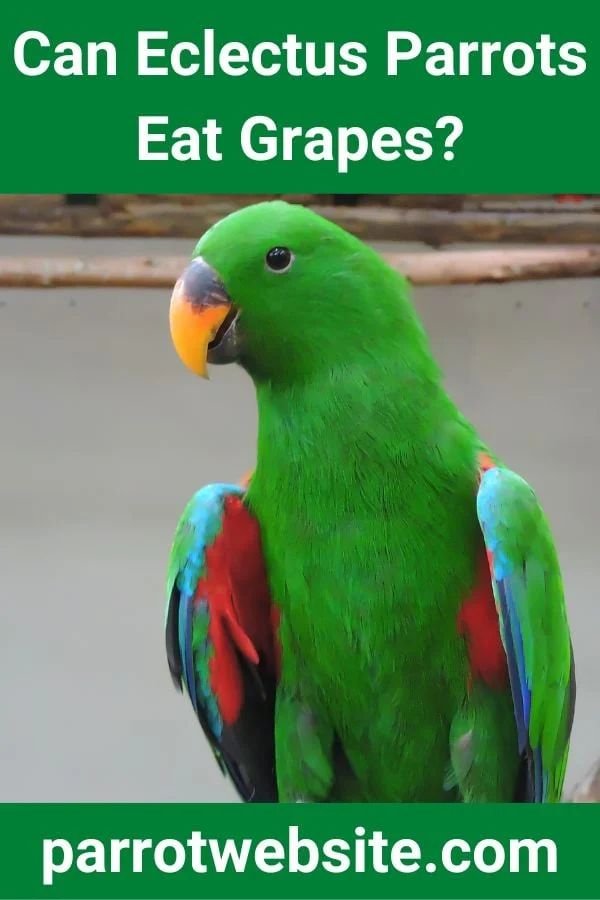
For owners of the striking, intelligent Eclectus parrot, nutritional management is the cornerstone of a long and healthy life. One of the most frequently asked questions in avian care circles concerns the inclusion of common table fruits, specifically grapes. Are they safe? Do they provide tangible benefits? And how should they be integrated into a balanced avian menu?
While the short answer is a definitive "yes," the nuance of this answer is vital. Grapes are not merely a sugary snack; they are a concentrated source of micronutrients that, when used with clinical precision, can enhance the well-being of your bird. This report examines the physiological, nutritional, and practical implications of feeding grapes to Eclectus parrots.
Main Facts: The Nutritional Profile of Grapes
Eclectus parrots, known for their vibrant plumage and unique digestive systems, require a diet rich in high-fiber vegetables, fruits, and quality pellets. Grapes—whether red, green, or black—are scientifically recognized as nutrient-dense additions.
The primary nutritional appeal of the grape lies in its multifaceted chemical composition. Unlike "empty calorie" treats, grapes offer a complex array of essential elements:
- Fiber: Essential for maintaining gastrointestinal motility. Fiber acts as a prebiotic, supporting the healthy gut flora necessary for nutrient absorption.
- Vitamin K: A critical component in the synthesis of blood-clotting proteins.
- B-Complex Vitamins (Thiamine and Riboflavin): These are the engines of cellular metabolism, facilitating the conversion of raw dietary intake into usable chemical energy (ATP) and supporting red blood cell health.
- Vitamin C: A potent antioxidant that mitigates oxidative stress caused by free radicals. Given that parrots are susceptible to cellular damage, this is a vital preventative element.
- Trace Minerals: Grapes provide copper (essential for hemoglobin formation), potassium (for osmotic balance within cells), and manganese (a cofactor for various metabolic enzymes).
Chronology: Understanding the Evolution of Avian Dietary Standards
Historically, avian husbandry in domestic settings often relied on seed-heavy diets, which we now know are deficient in essential vitamins and minerals. Over the past several decades, veterinary nutritionists have pivoted toward a "naturalistic" approach.
- 1990s–2000s: The emergence of specialized avian veterinary medicine began to highlight the high susceptibility of Eclectus parrots to digestive issues if fed high-fat or processed diets.
- 2010s: Research into the "foraging lifestyle" of wild parrots led to the realization that variety is not just a preference but a physiological requirement. Fruits like grapes were identified as appropriate, albeit supplementary, seasonal food sources.
- Current Standards: Modern aviculture emphasizes the "Total Diet" concept, where grapes are categorized as high-value, nutrient-rich rewards rather than dietary staples. The shift has been toward educating owners on the specific risks of over-consumption, specifically regarding fructose levels and gastrointestinal distress.
Supporting Data: Balancing Benefits and Risks
The nutritional density of a grape is its greatest strength, but also its primary challenge. Because Eclectus parrots are physically small, their threshold for sugar intake is significantly lower than that of humans.
The Risk of Excessive Consumption
When an owner introduces an excessive volume of grapes, the parrot’s digestive tract is overloaded with simple sugars (fructose). This can lead to:
- Gastrointestinal Distress: High concentrations of undigested matter can ferment in the gut, leading to painful cramping, bloating, and diarrhea.
- Nutritional Imbalance: If a bird fills up on the high-energy, high-sugar content of grapes, they are likely to bypass the fiber-rich, low-energy vegetation required for long-term health.
- Boredom and Pickiness: Parrots are highly intelligent. If a "super-tasty" treat like a grape is available daily, they may become "picky eaters," refusing their essential, less-palatable food groups.
Scientific Dosage Guidelines
Based on avian veterinary standards, the recommended serving size is no more than two to three grapes per week. This frequency ensures the bird benefits from the antioxidant and mineral profile without inducing glycemic spikes or digestive imbalance.
Official Perspectives: The Veterinary Consensus
Avian veterinarians generally categorize grapes as "safe for consumption," but they caution against treating them as a dietary pillar.
The Role of Variety
Veterinary specialists consistently argue that the "Eclectus experience" is defined by variety. In the wild, these birds forage across expansive territories, encountering a rotating cycle of seasonal fruits. By swapping grapes for other fruits like blueberries, papaya, or pomegranate, owners mimic this natural behavior. This variability prevents the "boredom factor," which can lead to behavioral issues and stress-related feather plucking.
Red vs. White vs. Blue
- Red Grapes: Generally favored by owners due to their higher sugar content and sweeter flavor profile, making them excellent for training rewards or positive reinforcement.
- White/Green Grapes: Nutritionally equivalent to red varieties but often more acidic. While safe, they may be less palatable to some parrots.
- Blue/Black Grapes: Experts advise caution here. Many dark, "wine-type" grapes are cultivated for specific tannins and chemical profiles intended for fermentation, not consumption. It is safer to stick to table-grade red or white varieties to avoid potential toxicity or unknown chemical treatments.
Implications: Preparing Grapes for Your Parrot
The safety of the grape is not solely defined by the fruit itself, but by how it is served. Owners must follow strict preparation protocols to maximize safety.
The Anatomy of the Grape
- Flesh: The primary source of nutrients. It is the safest and most enjoyable part for the parrot.
- Seeds: Contrary to common myths regarding fruit seeds, grape seeds are safe and contain a high concentration of beneficial antioxidants. They do not need to be removed.
- Skin: The skin is highly nutritious and contains a concentrated dose of vitamins. It should remain intact.
- Stalks: These are the only part of the grape that should be discarded. They are fibrous, indigestible, and pose a potential choking hazard. They offer no nutritional value and should be removed before serving.
Practical Serving Tips
- Wash Thoroughly: Pesticide residue is a significant threat to small birds. Always wash grapes in filtered water to ensure no chemical coatings are present.
- Temperature: Serve at room temperature. Cold grapes can be shocking to a bird’s sensitive crop.
- The "Taste Test": If you are unsure of your parrot’s preference, offer a small piece of both a red and a white grape simultaneously. Observe their choice; this provides insight into their individual palate.
Conclusion: A Balanced Approach to Avian Health
In the final analysis, grapes are a valuable tool in the kit of the responsible Eclectus parrot owner. They provide a vital boost of Vitamin K, B-vitamins, and essential antioxidants that contribute to a vibrant, healthy bird.
However, the mantra for any parrot owner must be "Moderation and Variety." By treating the grape as a occasional, high-value reward—and never as a substitute for their core diet of fiber-rich pellets, vegetables, and seeds—you ensure that your parrot gains all the benefits of the fruit without the risks of digestive distress or nutritional imbalance.
Your Eclectus parrot is a complex, intelligent creature that thrives on stimulation and dietary diversity. Use grapes to spice up their routine, foster their curiosity, and support their immune system, but always maintain the boundary between a healthy snack and an excessive caloric intake. By adhering to these professional guidelines, you contribute to a longer, happier, and more enriched life for your avian companion.