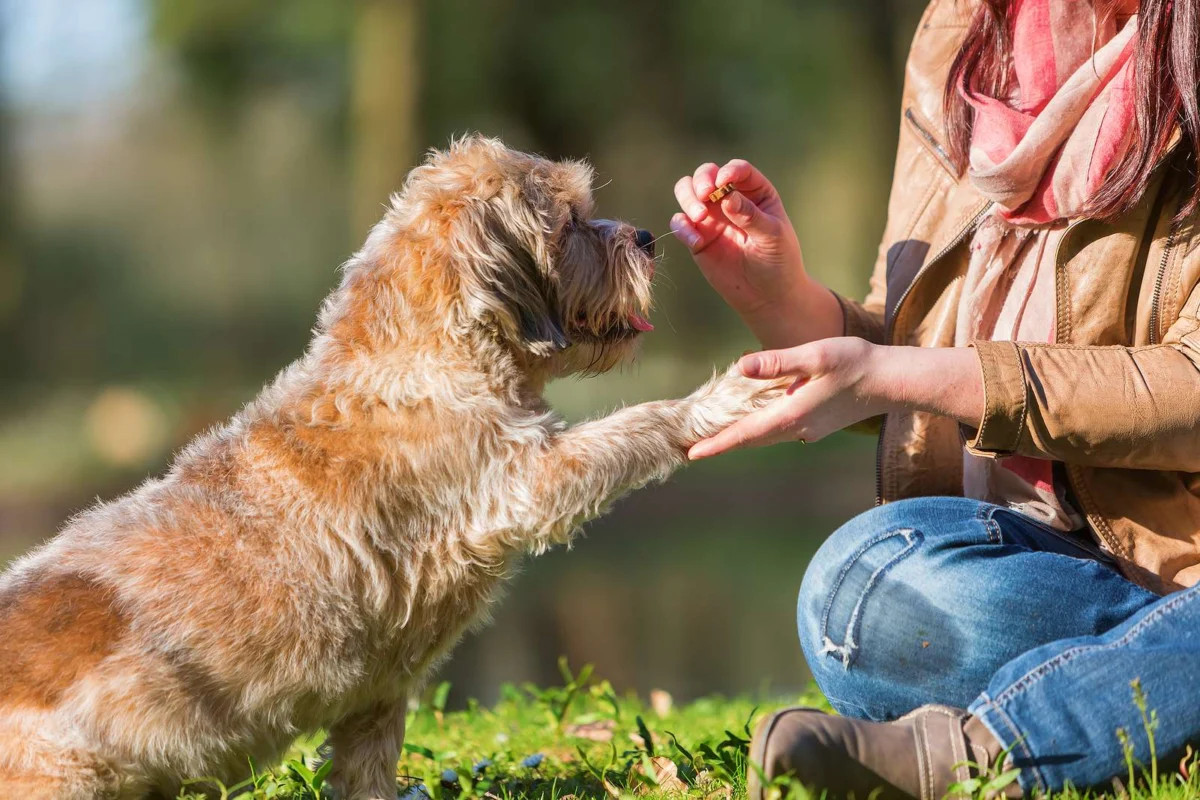
August 17, 2026 — For decades, the gold standard of animal training has been rooted in the "gym workout" philosophy: frequent, high-repetition sessions fueled by a steady stream of minuscule food rewards. The prevailing wisdom suggested that rapid-fire delivery of small treats keeps the animal focused and maximizes the number of "reps" within a training window. However, a groundbreaking study published in Science this past May suggests that this long-held dogma may be ready for a paradigm shift. By moving away from a high-frequency, low-reward model toward a strategy of "very large" reinforcements, researchers have uncovered evidence that animals not only learn faster but maintain higher levels of engagement and cognitive efficiency.
The Science of Scale: Challenging Traditional Training Models
The study, authored by Gong, Martell, Dudman, and Coddington, challenges the conventional efficiency of "lots of tiny treats." Instead, the researchers investigated the neurological impact of reward magnitude. The findings suggest that larger rewards fundamentally alter the learning process by optimizing three critical components: the rate of learning, the ability to carry over progress between sessions, and, perhaps most importantly, sustained engagement with the task.

At the heart of this physiological change is dopamine—the neurotransmitter often simplified as the "pleasure hormone" but more accurately described by the late neuroscientist Jaak Panksepp as the chemical of "seeking" or "motivational salience." According to the study, large rewards induce longer, more sustained activity in dopamine-producing neurons during the act of consumption. This neurological "dump" appears to act as a catalyst, reinforcing the behavior more deeply than a rapid succession of smaller, fragmented rewards.
Implications for the "Jackpot" Debate
Within the professional dog training community, this research reignites the long-standing debate over the "jackpot"—the practice of delivering a significantly larger, high-value reinforcement for a particularly exceptional performance.

Critics have frequently dismissed jackpots as mere anthropomorphic "feel-good" tactics for the trainer, often citing a lack of empirical evidence to justify their use. For decades, many trainers, including renowned animal behaviorists, have operated on an anecdotal basis, often suggesting that multiple small treats delivered in rapid succession are superior to a single, large reward. However, the 2026 study suggests that the "gut feeling" supporting the use of jackpots may have been rooted in sound, albeit misunderstood, neurobiology.
If one-to-two orders of magnitude in reward size significantly improve learning outcomes, the "jackpot" may be far more than a sentimental gesture; it may be an essential tool for maximizing dopamine-driven cognitive uptake. The question now moves from whether to use them, to how to refine them to ensure they are driving the intended behavioral change.

A Call for Canine Replication
While the implications of the study are profound, a significant hurdle remains: the data was derived from murine (mouse) models. As any behavioral scientist will note, translating findings from laboratory mice to domestic dogs requires a leap of faith—and, more importantly, a rigorous series of follow-up studies.
The animal training community is now issuing a collective call for researchers to replicate these findings in canine subjects. Determining how varying reward magnitudes specifically affect dogs of different breeds, ages, and temperaments could revolutionize the way we approach everything from basic obedience to complex service dog training. There is a palpable appetite among experts for a PhD-level dissertation that bridges this gap, potentially moving the industry toward a more evidence-based model of high-magnitude reinforcement.

Beyond Food: Does the "Jackpot" Concept Apply to Non-Food Rewards?
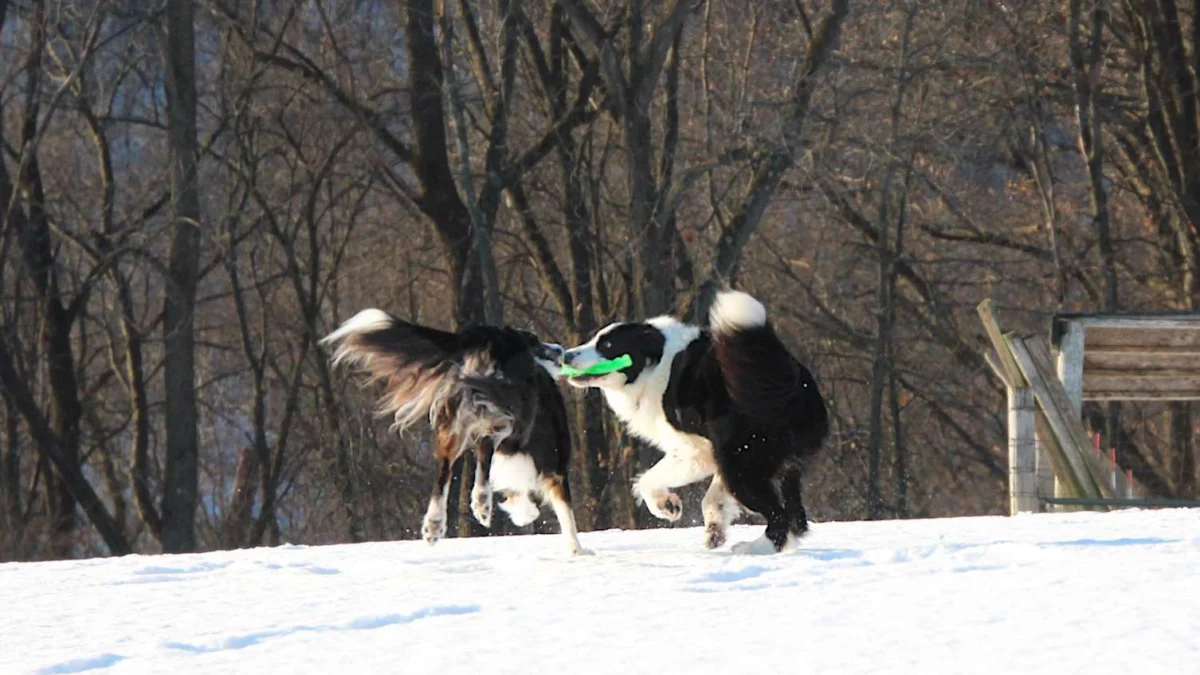
A compelling secondary discussion has emerged regarding whether this "jackpot" effect is strictly limited to food-based reinforcement. In the world of competitive sheepdog trials and high-performance working breeds, rewards are often non-tangible.
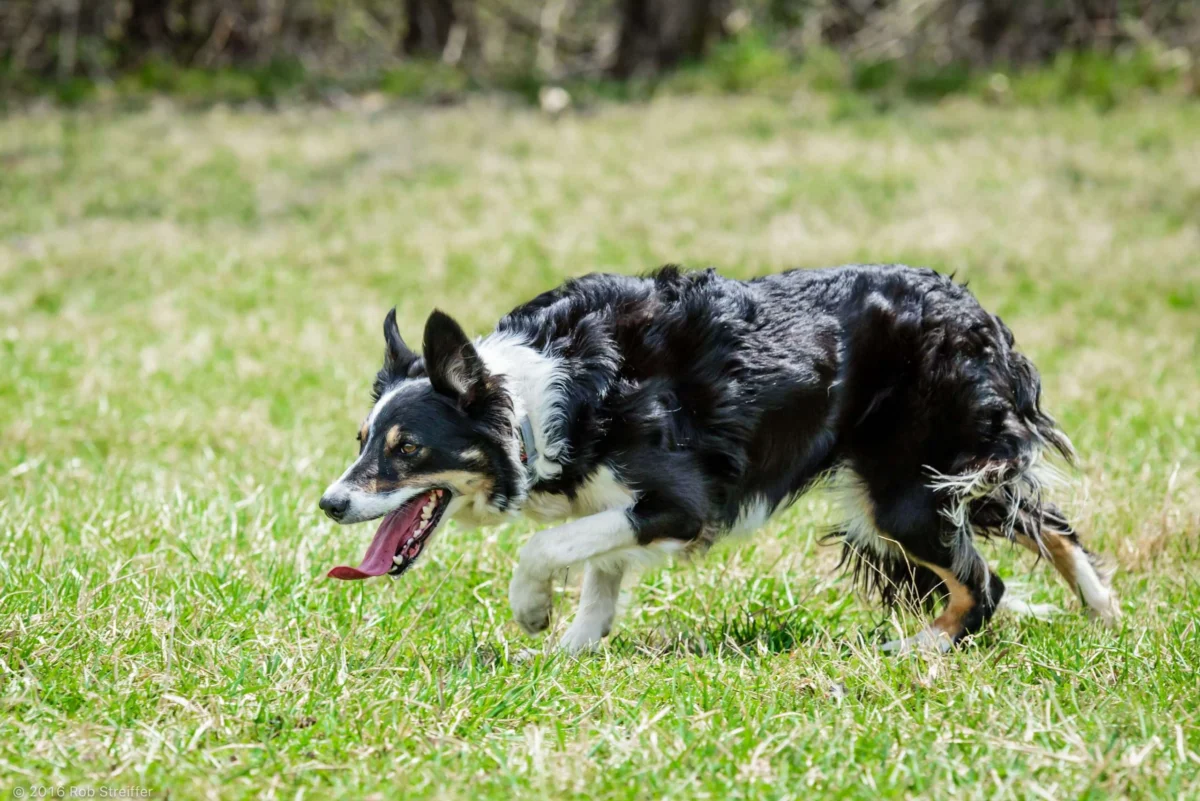
Consider the classic advice provided by master Border Collie trainers: after a grueling session of difficult maneuvers, a trainer will often end the session by allowing the dog to perform a long, unrestricted "outrun and fetch." During this phase, the trainer steps back, stops issuing corrections, and allows the dog to work independently. Is this effectively a "jackpot"? It is a sustained, high-value activity that provides a massive burst of dopamine and satisfaction.

If we apply the findings of Gong et al., it is possible that this "let them work" approach is the ultimate form of a jackpot, as it allows the animal to experience the pure, unadulterated reinforcement of the behavior itself, rather than pausing for a food delivery.
A Summer Interlude: The "Great Water" of Michigan
While the academic community debates the merits of reward systems, life continues to offer its own rewards. A recent excursion to Michigan—derived from the Ojibwe word Michigami, meaning "great water"—served as a reminder of the restorative power of environmental engagement.

The journey was marked by a transit across Lake Michigan, an experience that highlights the contrast between historical and modern travel. The transit on the USS Badger felt like a voyage into 1959, complete with the slow, deliberate pace of mid-century maritime travel. Conversely, the Lake Express ferry from Muskegon to Milwaukee offered a modern, high-efficiency transit.
During the trip, visits to locales like the Petoskey Breakwall offered scenes of youthful exuberance—young men jumping into the lake, a display of pure, uninhibited joy that serves as a poignant reminder of the importance of engagement. Further connections with experts in the field, such as Matt and Kelly Elvin of Tip Top Tails Dog Training, underscored the professional community’s ongoing dedication to bettering the lives of domestic animals.

Chronology of the Research and its Reception
- May 2026: The study by Gong, Martell, Dudman, and Coddington is published in Science, identifying the link between reward magnitude and sustained dopamine activity.
- Summer 2026: Initial discussion erupts within the dog training "blogosphere," with trainers comparing the study’s findings to the historical use of "jackpots."
- August 17, 2026: Public discourse intensifies as practitioners call for formal canine-based studies to test the "large reward" hypothesis in real-world training environments.
Conclusion: The Path Forward
The evidence is mounting that we may be underselling our animals by focusing too heavily on the "number of reps" at the expense of "reward magnitude." By integrating the findings from the Science study with practical, long-standing training wisdom, we may be on the cusp of a more effective, more humane, and more engaging approach to animal learning.
Whether it is a handful of treats or the freedom to perform a complex, self-directed task, the goal remains the same: to tap into the powerful, dopamine-driven "seeking" system that makes animals such eager and capable learners. As the field looks toward future research, one thing is certain: the conversation about how we reward our four-legged companions is only just beginning.

We invite our readers to weigh in. Do you utilize jackpots in your training? Have you observed a distinct change in your dog’s engagement levels when transitioning from a series of small rewards to a single, high-value "jackpot"? Your observations contribute to the broader understanding of how we can better communicate with the animals that share our lives.