For many animals, the moment they are rescued is merely the starting line of a grueling marathon. While shelters provide food, safety, and medical attention, they are inherently high-stress environments. For the traumatized, the medically fragile, the underage, and the deeply fearful, the shelter’s walls can sometimes do as much harm as they do good. To bridge the gap between "rescued" and "thriving," organizations like Animal League America rely on a vital, unsung hero: the foster parent.
The Invisible Crisis: Why Shelter Life Isn’t Always Enough
The primary mission of any animal shelter is to provide a sanctuary. However, for an animal that has been abused, neglected, or born into the chaos of the streets, the noise, constant movement, and clinical atmosphere of a shelter can exacerbate physical and psychological ailments.
"For some animals, rescue is only the beginning," explains a spokesperson for Animal League America. "They may arrive too young for adoption, recovering from complex surgeries, or so frightened by the world that they cannot function in a group setting. What they need is not just a cage—they need time, patience, and the warmth of a home."
The physical toll of shelter stress is well-documented in veterinary medicine. Stress-induced gastrointestinal issues, weakened immune systems, and behavioral regression are common hurdles for long-term residents. When an animal cannot thrive in a communal environment, they reach a critical juncture: they require the personalized, low-stress environment that only a foster home can offer.
The Story of Scrappy: A Case Study in Recovery
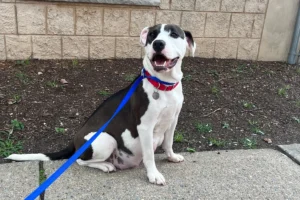
The transformative power of foster care is best illustrated through the journey of Scrappy, a dog whose story underscores the limitations of the traditional shelter model. Scrappy had been adopted as a puppy, only to be returned to Animal League America just two months later.
As his stay at the shelter stretched into a year, the environment began to take a severe toll on his health. Despite the best efforts of the veterinary team—including specialized diets, intensive medication, and multiple food trials—Scrappy suffered from persistent, unexplained gastrointestinal distress and continued to lose weight. He was a dog in physical decline, his body reacting to the chronic stress of his surroundings.
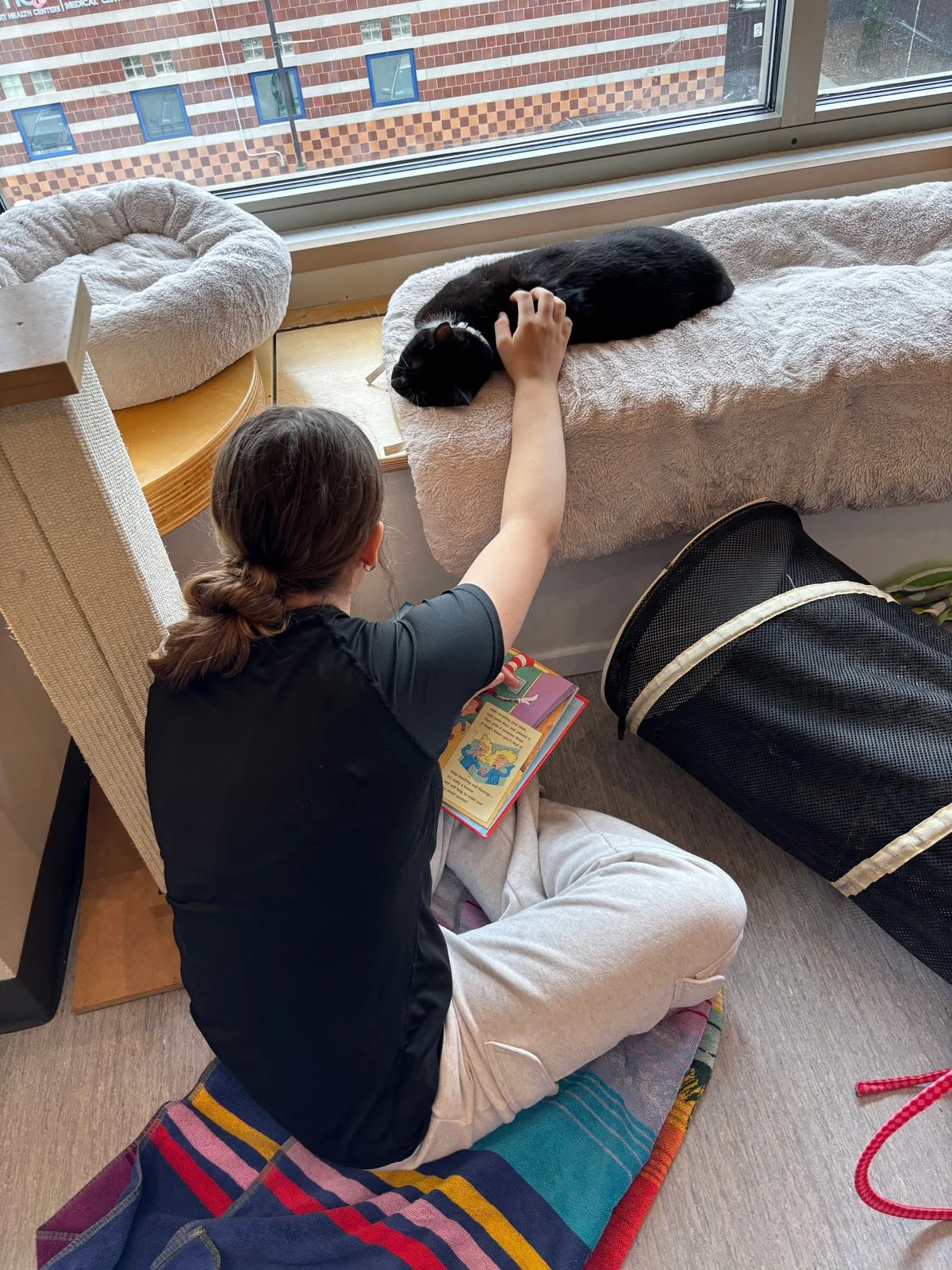
Connie, a dedicated volunteer, had developed a profound bond with Scrappy. Observing his rapid physical deterioration, she recognized that the shelter itself had become the primary obstacle to his recovery. She made a decision that would change the trajectory of his life: she offered to foster him.
The results were nothing short of miraculous. Within a short period of living in the quiet, predictable environment of Connie’s home, Scrappy’s gastrointestinal symptoms began to subside. He began to regain weight, his coat returned to health, and his personality shifted. Once paralyzed by the presence of strangers, Scrappy began to gain confidence, learning to navigate the world with curiosity rather than fear. Today, while he continues to wait for his forever home, he lives in a state of comfort and security that was once impossible to achieve behind shelter bars. For Connie, the act of fostering was simple: it was the difference between life and death.
The Architecture of the Foster System
According to Victoria Sciubba, Foster Care Manager at Animal League America, the foster system is a specialized therapeutic intervention. "Foster homes provide a comfortable environment for medically compromised, traumatized, underage, or under-socialized cats and dogs," Sciubba explains. "It’s a safe space for them to heal, learn, adjust, and overcome."
The foster model operates on a principle of "individualized care." In a shelter, staff must split their time among hundreds of animals. In a foster home, the ratio is drastically different. This allows for:

- Medical Management: Foster parents can administer specialized medications, track appetite, and monitor recovery from surgeries with a level of detail that is difficult in a facility.
- Behavioral Rehabilitation: Frightened dogs from commercial breeding facilities, often referred to as "puppy mill" survivors, require 24/7 exposure to human kindness to learn that they are safe.
- Developmental Milestones: Underage kittens and puppies require round-the-clock feeding and socialization to ensure they grow into well-adjusted pets.
The Perspective of the Caretaker: Lessons from 16 Years
Marilyn, a volunteer who has been fostering for 16 years, represents the backbone of this movement. Since she first brought home a litter of underage puppies, she and her husband have opened their doors to more than 80 animals. Their home has seen everything from neonates needing bottle-feeding to adult dogs who had never stepped on grass or felt the touch of a human hand.
The most common question foster parents hear is, "How can you possibly let them go?" Marilyn admits that the first goodbye was painful, but over nearly two decades, her perspective has evolved into a philosophy of purpose. "When a foster leaves your home and goes to their new home, you get such a sense of fulfillment," she notes. "You’ve accomplished what you set out to do."
For Marilyn, the reward is not found in possession, but in the observation of transformation. She speaks of the moments when a withdrawn, terrified dog finally wags its tail, or when a traumatized rescue finally curls up on the couch to sleep. "They become a dog again," she says.
Furthermore, foster parents provide an invaluable service to the ultimate adopters. By living with these animals, fosters learn their quirks, their triggers, and their unique personalities. This information is passed on to the new family, ensuring a smoother transition and a higher rate of long-term success.
Implications: The Multiplier Effect of Fostering
The importance of the foster system extends beyond the individual animal. When a foster parent takes an animal into their home, they are doing more than just helping that specific creature; they are creating capacity for the entire shelter system.
Every kennel cleared by a foster animal is a kennel that can now house another animal in desperate need of rescue. In this sense, the foster parent is a force multiplier. They allow the organization to say "yes" to more animals, effectively expanding the shelter’s reach without the need for additional physical infrastructure.
The societal implication is clear: the success of modern animal rescue is no longer defined by the size of the shelter, but by the size of the community’s heart. The integration of community-based care into the professional rescue model is a sustainable, humane, and highly effective way to manage the homeless animal population.
Conclusion: An Open Door for a New Beginning
As we look toward the future of animal welfare, the message is clear: the traditional shelter environment is only one part of the equation. The next chapter of rescue lies in the homes of volunteers like Connie and Marilyn.
There is always another animal waiting—one who is too young, too sick, or too scared to wait in a kennel. Each open door in a private home serves as a vital transition point, a space where an animal can heal, grow, and finally become the pet they were always meant to be.
The question for the community is no longer "How can you bear to say goodbye?" but rather, "How can you bear not to say yes?" For those willing to provide a temporary bridge, the reward is not just the satisfaction of a job well done, but the knowledge that they have provided the most precious gift an animal can receive: the time and space to live a full, confident, and healthy life.