Authors: Paige K Parsons, Rabbit.org Think Tank
Editor: Margie Wilson
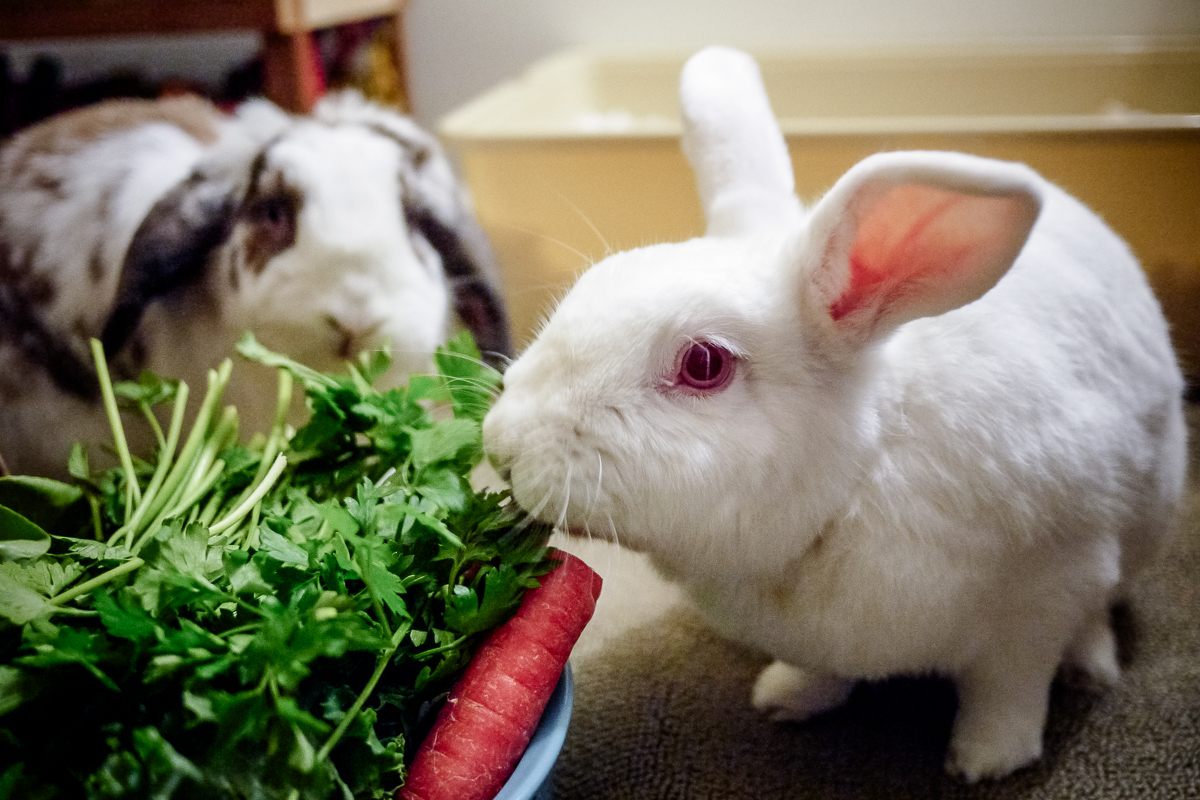
For decades, the standard of care for pet rabbits has evolved dramatically, shifting away from outdated misconceptions and toward scientifically backed nutritional models. While the image of a cartoon rabbit happily gnawing on carrots remains deeply ingrained in popular culture, modern veterinary science reveals that a rabbit’s dietary needs are far more complex and specific than many owners realize.
Understanding the proper balance of hay, fresh vegetables, pellets, and treats is essential for preventing common health issues and ensuring your long-eared companion lives a long, healthy life. This comprehensive guide outlines the daily proportions of a healthy rabbit diet, examines the dangers of human foods, and provides vital insights from leading exotic animal veterinarians.
Main Facts: The Rabbit Diet Pyramid
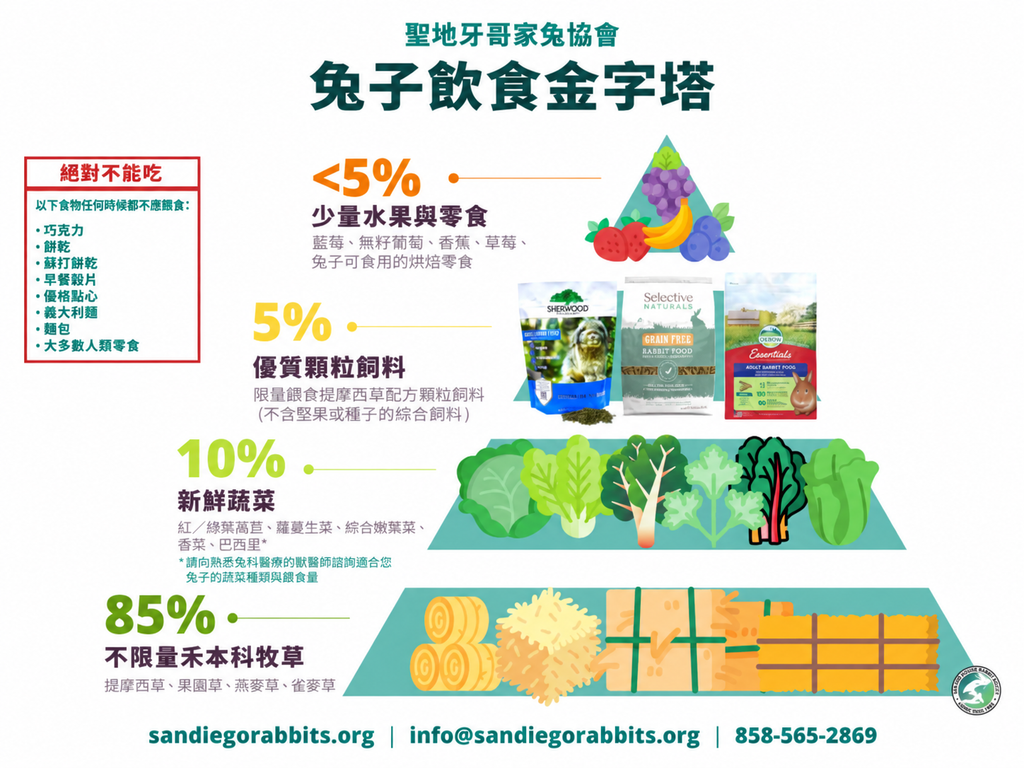
A healthy rabbit diet is built upon a precise nutritional hierarchy that mimics what wild rabbits consume in nature. Veterinary experts universally agree that fiber is the absolute cornerstone of a rabbit’s physiological well-being. Without a high-fiber diet, a rabbit’s digestive system—which is uniquely adapted to process tough, fibrous vegetation—can quickly fail, leading to fatal gastrointestinal stasis.
The recommended daily diet for a healthy adult rabbit breaks down into four core categories:
- 85% Grass Hay: Unlimited fresh grass hay forms the foundation of every meal.
- 10% Fresh Vegetables: Leafy greens provide essential vitamins, hydration, and variety.
- 5% Pellets (or less): High-quality, high-fiber pellets serve as a nutritional supplement, not a main course.
- Occasional Treats (Under 5%): Safe fruits and healthy treats should be given sparingly.
Let us examine each component of this nutritional pyramid in detail to understand why these ratios are vital for your pet’s survival.
1. 85% Grass Hay: The Cornerstone of Rabbit Health
Grass hay is the single most important element of a healthy rabbit’s life. It contains high amounts of crude fiber, which is critical for maintaining proper gastrointestinal motility. Because a rabbit’s teeth grow continuously throughout its entire life, chewing on abrasive, fibrous hay is the primary mechanism nature provides to naturally grind down their incisors and cheek teeth, preventing painful and dangerous dental overgrowth.
Hay should make up approximately 85% of a rabbit’s total daily food intake.
Pet owners should never restrict hay access. Fresh, high-quality grass hay—such as Timothy, orchard grass, brome, and meadow hays—should be available 24 hours a day. Alfalfa hay, while popular, is actually a legume rather than a grass hay and is far too high in calcium and calories for most adult rabbits. It is best reserved for growing kits, pregnant does, or nursing mothers.
2. 10% Fresh Vegetables: Leafy Greens and Hydration
Fresh vegetables are a vital supplement to a rabbit’s diet, providing essential moisture, vitamins, and behavioral enrichment.
As a general guideline, rabbit owners should feed approximately 1 cup of fresh vegetables per 2 pounds of body weight daily. This can be divided into two or three servings throughout the day to ensure a steady supply of nutrients without overwhelming the sensitive digestive tract.
Choosing the Right Greens
Owners should rotate a variety of dark leafy greens, such as romaine lettuce, red and green leaf lettuce, cilantro, parsley, dill, basil, and dandelion greens. Root vegetables and cruciferous veggies—such as carrots, broccoli, and kale—should be fed in much smaller quantities due to their higher sugar or gas-producing properties.
If a rabbit is not used to eating fresh vegetables, introducing them too quickly can cause severe diarrhea or gas. Owners should introduce new vegetables one at a time, in small quantities, and monitor their pet’s stool consistency closely.
3. 5% High-Fiber Pellets: A Concentrated Supplement
While commercial rabbit pellets are often viewed by casual owners as the primary food source, veterinary experts emphasize that pellets are actually meant to be a concentrated dietary supplement rather than the main course.
Renowned exotic animal veterinarian Dr. Susan Brown notes:
"If we do not carefully limit commercial pellets, rabbits will gorge themselves on these calorie-dense foods, leading to obesity, dental disease, skeletal problems, and severe gastrointestinal disorders."
High-quality pellets should be viewed as an insurance policy to ensure your rabbit receives trace vitamins and minerals that might be missing from fresh forage. The ideal rabbit pellet should feature a high crude fiber content—ideally around 18% or higher—while remaining low in protein, fat, and calcium.
Owners should strictly measure their rabbit’s daily pellet allowance based on the animal’s weight. For example, a medium-sized adult rabbit typically requires no more than 1/4 cup to 1/2 cup of pellets per day, depending on its overall activity level and health status. Unlimited pellets should only be provided to growing babies, pregnant does, or underweight rescue rabbits recovering from illness.
4. Under 5% Treat Foods: Fruits and Starchy Snacks
Fruit and sugary treats are the culinary equivalent of candy for rabbits. While they are delicious and beloved by pets, they must be strictly rationed.
If given unrestricted access to sugary fruits, rabbits will readily ignore their hay and greens in favor of sweet treats. This can lead to rapid weight gain, gastrointestinal flora imbalances, and painful dental decay.
Safe Treat Guidelines
- Portion Control: Fruit treats should be limited to no more than 1 to 2 teaspoons per 2 pounds of body weight per day.
- Safe Options: Small pieces of apple (without seeds), banana, berries, papaya, and melon are acceptable treats.
- What to Avoid: Dried fruits should be avoided or fed in microscopic quantities because the dehydration process concentrates the sugar content exponentially.
Special Nutritional Needs for Special Rabbits
Not all rabbits share the exact same nutritional requirements. Factors such as age, health status, pregnancy, and underlying medical conditions can drastically alter what a rabbit should eat.
For instance, senior rabbits may experience dental pain or arthritis that makes chewing long strands of hay difficult. In these cases, exotic veterinarians may recommend supplementing with softer hays, finely chopped greens, or softened pellet mashes. Conversely, young rabbits experiencing rapid growth phases require higher levels of protein and calcium to support skeletal development.
Consulting with a qualified exotic animal veterinarian is the most reliable way to establish a customized diet tailored to your individual rabbit’s life stage and health profile.
Why Human Foods Are Dangerous for Rabbits
The digestive tract of a domestic rabbit is a finely tuned, highly specialized fermentation system. Introducing processed human foods can have catastrophic consequences.

Rabbits must never be fed chocolate, cookies, crackers, bread, pasta, chips, breakfast cereals, dairy products, or any cooked human foods. These items can cause severe, life-threatening disruptions to the delicate balance of bacteria in the rabbit’s cecum, leading to toxic enterotoxemia, bloat, and rapid mortality.
Chronology of Dietary Evolution in Veterinary Medicine
- Pre-1990s: Rabbit husbandry heavily emphasized commercial grain mixes and alfalfa pellets, with hay viewed merely as cheap bedding rather than nutritional fuel.
- Late 1990s to Early 2000s: Veterinary researchers identified the direct link between low-fiber diets, molar spurs, and fatal gastrointestinal stasis, leading to the widespread adoption of the grass hay-first paradigm.
- Present Day: Modern rabbit care standards prioritize unlimited grass hay, restricted measured pellets, and fresh leafy greens as the universally accepted gold standard for pet rabbit longevity.
Supporting Data: Recommended Daily Portions
| Food Category | Recommended Proportion | Daily Serving Guideline (for a 4 lb Rabbit) |
|---|---|---|
| Grass Hay | 85% | Unlimited (24/7 access) |
| Fresh Greens | 10% | 2 cups of mixed leafy greens |
| Pellets | 5% | 1/4 cup of high-fiber pellets |
| Treats | < 5% | 1–2 teaspoons of fruit/treats |
Official Responses and Expert Recommendations
Leading veterinary organizations, including the House Rabbit Society and the Association of Avian and Exotic Veterinarians (AAEV), continue to spearhead educational campaigns regarding proper rabbit nutrition.
Veterinarians stress that preventative medicine begins in the food bowl. By educating new owners on the dangers of high-carbohydrate commercial mixes and the irreplaceable value of grass hay, the veterinary community hopes to drastically reduce the prevalence of preventable illnesses such as obesity, flystrike, and dental malocclusion in pet rabbits worldwide.
Implications for Pet Owners
The shift toward a fiber-focused diet carries profound implications for rabbit owners. Providing proper nutrition requires mindfulness, daily portion control, and an understanding of rabbit physiology.
By investing time in sourcing high-quality hays, selecting fresh, pesticide-free greens, and strictly limiting sugary treats, owners can dramatically improve their pets’ quality of life. Ultimately, a well-nourished rabbit is an active, healthy companion capable of living a long and joyful life alongside its human family.