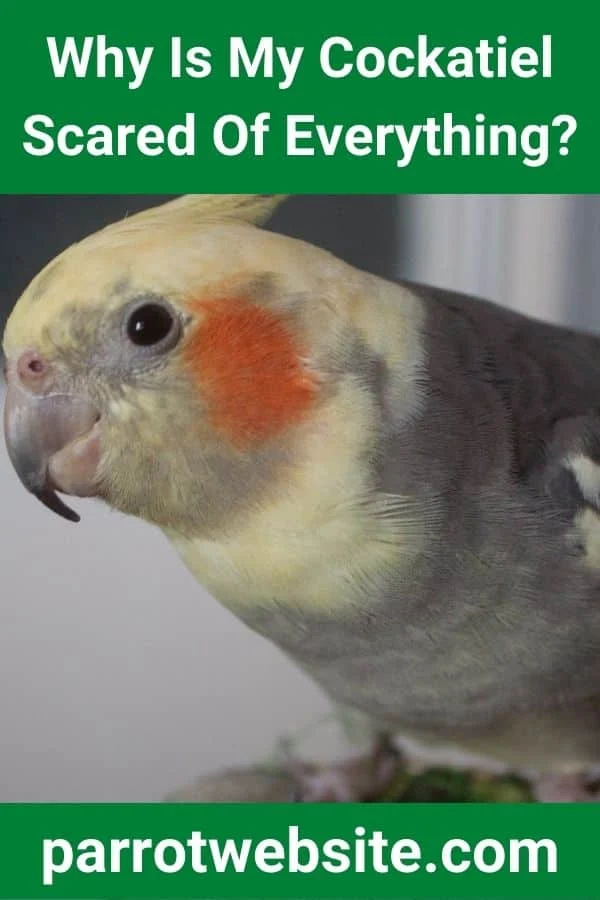
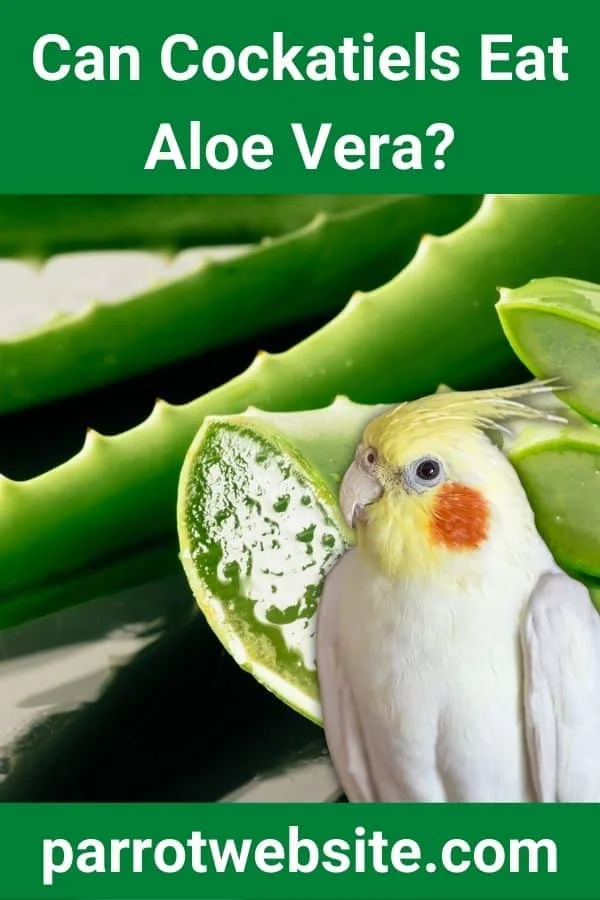
When a child asks for a pet, the search for the perfect companion often balances the desire for companionship with the reality of a busy household. For many families, the dog remains the "gold standard," yet the time commitments and physical demands of canine care are not always compatible with modern, fast-paced lifestyles. This realization leads many to the world of avian companionship, specifically the charming, intelligent, and expressive cockatiel.
However, bringing a bird into the home is not merely about providing a cage and a water dish; it is about curating a balanced nutritional regimen. Recently, a common question has surfaced among backyard gardeners and bird enthusiasts alike: Can cockatiels safely consume aloe vera? While this plant is a staple of many home gardens, its role in an avian diet is complex, requiring a nuanced understanding of bird physiology.
Main Facts: The Aloe Vera Conundrum
The short answer is yes—cockatiels can eat aloe vera. However, the context of that consumption is paramount. Aloe vera is not a staple food item; it is a nutritionally dense botanical that must be treated as a supplement rather than a meal.
From a nutritional standpoint, the clear gel found inside the leaves of the Aloe barbadensis miller plant is packed with over 75 active components. These include essential vitamins such as A, C, and E, which serve as antioxidants and immune-system boosters. Additionally, the plant contains various amino acids and simple sugars that provide quick energy and support protein synthesis.
Despite these benefits, the plant is a double-edged sword. The primary concern lies in the presence of anthraquinones—specifically aloin—found primarily in the yellow sap located between the plant’s outer skin and the inner gel. Anthraquinones act as potent, natural laxatives. Because a cockatiel’s body mass is significantly smaller than that of a human, even a modest amount of this compound can trigger severe gastrointestinal distress, dehydration, and electrolyte imbalances.
Chronology: From Garden Discovery to Dietary Research
The path to understanding avian nutrition often begins with a moment of curiosity. For one pet owner, the journey started in their own backyard. While harvesting fresh aloe vera, they questioned whether their newly adopted cockatiel could benefit from the same plant they used for their own skin care and wellness.
- The Acquisition Phase: The family decided on a cockatiel due to its moderate size, manageable care requirements, and high intelligence, which allows for training and interaction.
- The Research Phase: Initial efforts focused on standard seed and pellet blends, the "basics" of avian care.
- The Discovery Phase: Upon realizing they had an abundance of organic aloe vera, the owner sought expert consensus, leading to the discovery that while the inner gel is beneficial, the outer leaf is potentially hazardous.
- The Implementation Phase: The owner established a strict protocol: only the pure, clear inner gel is offered, and only in rare, small quantities, ensuring the bird receives the nutritional boost without the laxative risk.
Supporting Data: Understanding Avian Nutritional Needs
To maintain a healthy cockatiel, owners must understand the specific dietary ratios required for these birds. A cockatiel’s metabolism is high, and their digestive tract is highly sensitive to imbalances.
The Foundation: Grains and Seeds
Approximately 60% to 70% of a cockatiel’s daily caloric intake should come from high-quality grains and seeds. Experts frequently highlight quinoa as a "superfood" for birds, offering superior protein profiles compared to standard millet. A healthy cockatiel typically consumes about 15 grams of food per day. Of this, roughly 9 to 10.5 grams should be comprised of a variety of grains and seeds, such as:
- Sunflower and Safflower seeds: High in fats, should be monitored.
- Millet: A favorite, excellent for training rewards.
- Thistle and Corn: Provide essential minerals.
The 20% Rule: Fresh Produce
The remaining portion of the diet should focus on fresh, organic vegetables. Diversity is key to preventing nutritional deficiencies. Recommended vegetables include:
- Leafy Greens: Chard, endive, watercress, and parsley.
- Root Vegetables: Carrots, cooked beets, and sweet potatoes.
- Cruciferous and Squash: Broccoli, yellow squash, zucchini, and pumpkin.
The Danger Zone: Foods to Avoid
A significant part of avian education is knowing what not to feed the bird. Certain common kitchen items are toxic and can be fatal even in small quantities:
- Fruits with Pits: Apple seeds, apricot pits, cherry pits, and peach pits contain cyanogenic glycosides, which can lead to cyanide poisoning.
- Toxic Produce: Avocado (contains persin), mushrooms, rhubarb, eggplant, and tomato foliage/stems.
- Processed Additives: High levels of salt and refined sugar, which the avian kidneys struggle to process.
Official Responses and Veterinary Perspectives
Veterinary avian specialists emphasize that "natural" does not always equate to "safe." When discussing aloe vera, the veterinary community largely agrees that while it can soothe skin irritation and potentially improve feather quality, it is not a substitute for a balanced commercial diet.
The general consensus among avian nutritionists is that the risks of improper preparation—specifically the inclusion of the bitter, yellow sap—outweigh the benefits for the average pet owner. If an owner chooses to offer aloe, it must be "food grade" or harvested from an organic plant grown without pesticides. The leaves must be filleted carefully to ensure the yellow latex layer is completely removed, leaving only the transparent, tasteless gel.
Furthermore, veterinarians caution against the "humanization" of pet diets. Just because a human takes an aloe supplement for digestion does not mean a bird with a sensitive crop and gizzard will process it the same way.
Implications for Pet Owners: Best Practices
For those who wish to incorporate supplemental foods like aloe vera or exotic grains into their cockatiel’s life, the following implications should guide your practice:
1. Quality Control
Always wash fresh produce thoroughly. Pesticides and chemical fertilizers can be lethal to birds because of their small body weight. If it isn’t organic, assume it is potentially contaminated.
2. Moderation is Key
Treats should never exceed 5% to 10% of the total diet. If you choose to offer aloe vera, consider it a monthly or semi-monthly occurrence rather than a daily habit. Over-supplementation can lead to "picky eaters," where the bird refuses their nutrient-dense pellets in favor of the treat.
3. Monitoring Digestive Health
After introducing a new food, monitor the bird’s droppings for 24 to 48 hours. A change in consistency, color, or frequency is an immediate indicator that the food item is not being tolerated well.
4. Behavioral Training
Use the knowledge of high-value treats to your advantage. If your cockatiel enjoys a specific vegetable or a tiny amount of a healthy fruit (like papaya or kiwi), reserve that item for training sessions. This strengthens the bond between the owner and the bird while ensuring the bird is motivated during lessons.
Conclusion: The Path Forward
Caring for a cockatiel is a long-term commitment that requires a constant evolution of knowledge. While the discovery of aloe vera as a potential dietary supplement is a testament to an owner’s dedication to their pet’s health, it also serves as a reminder of the fragility of the avian system.
The most important takeaway for any cockatiel owner is to prioritize a consistent, grain-and-pellet-based diet supplemented by a wide variety of fresh, organic vegetables. Aloe vera, while rich in vitamins and potentially beneficial for skin and plumage, is a secondary consideration. By approaching avian nutrition with caution, research, and a commitment to quality, owners can ensure their feathered companions live long, vibrant, and healthy lives. Remember: when in doubt, consult with an avian veterinarian before introducing any new botanical to your bird’s menu. Your bird’s health is a reflection of the care and diligence you invest in every seed and sprout they consume.