KENNESAW, GA — Animal welfare advocates in Georgia are stepping up pressure on commercial pet retailers, joining a synchronized national campaign calling on Petland to end the sale of live rabbits. The Georgia House Rabbit Society (GHRS), a Kennesaw-based nonprofit that has advocated for lagomorph welfare for nearly three decades, has officially partnered with more than 100 rescue organizations nationwide to challenge the retail sale of these delicate animals.
The statewide push is a vital component of The Rabbit.org Foundation’s overarching Stop Rabbit Sales campaign. The initiative urges major pet store chains to transition away from commercial animal sales, adopt humane retail models, and instead partner with local animal shelters and rescues to host adoption events. According to local advocates, the commercial availability of rabbits heavily contributes to a repeating cycle of impulse purchases, subsequent neglect, overcrowded shelter facilities, and preventable animal suffering across the state.
Main Facts: The Scope of the Crisis in Georgia
At the heart of the local movement is the ongoing struggle faced by shelters tasked with picking up the pieces after a sale is made. The Georgia House Rabbit Society, operating out of its Kennesaw facility, has rescued, rehabilitated, and successfully rehomed thousands of domestic rabbits since its founding in 1996. However, volunteers and shelter management note that a significant percentage of their intake cases trace directly back to commercial retail sources, including Petland storefronts operating within Georgia markets such as Kennesaw, Norcross, and Marietta.
Critics of retail rabbit sales argue that standard commercial practices fail to properly educate consumers on the true, complex needs of rabbits. Often marketed as low-maintenance "starter pets" or ideal gifts for young children around holidays like Easter, rabbits are actually sensitive, high-maintenance prey animals with lifespans stretching up to a decade or more. They require specialized diets, exotic veterinary care, rabbit-proofed indoor living spaces, and significant daily socialization.
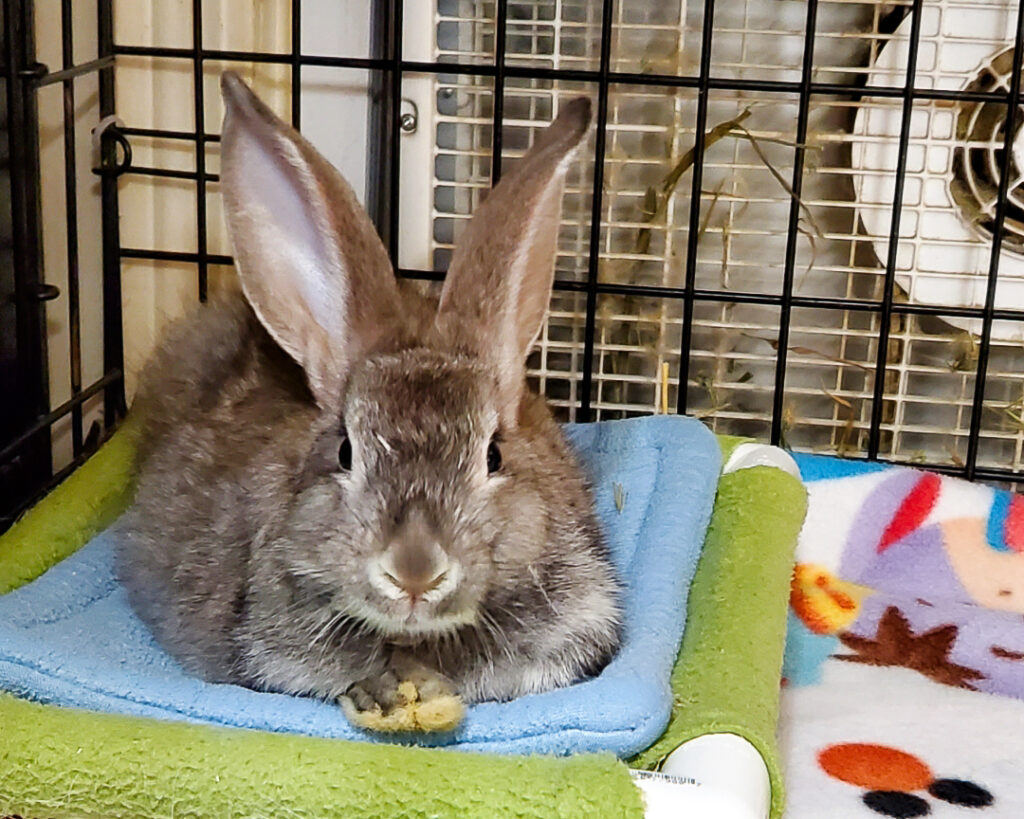
When families purchase young rabbits without understanding these realities, the initial novelty quickly wears off. Weeks later, local rescues find themselves inundated with underweight, frightened, and frequently sick animals surrendered by overwhelmed owners or, worse, abandoned outdoors where they stand little chance of survival against predators and the elements.
Chronology: A History of Advocacy and Rescue
The friction between commercial pet vendors and rabbit welfare organizations is not new, but the launch of the national Stop Rabbit Sales campaign marks a coordinated escalation in tactics.
- 1996: The Georgia House Rabbit Society is established in Kennesaw, operating as a dedicated beacon for rabbit rescue, rehabilitation, and public education in the state.
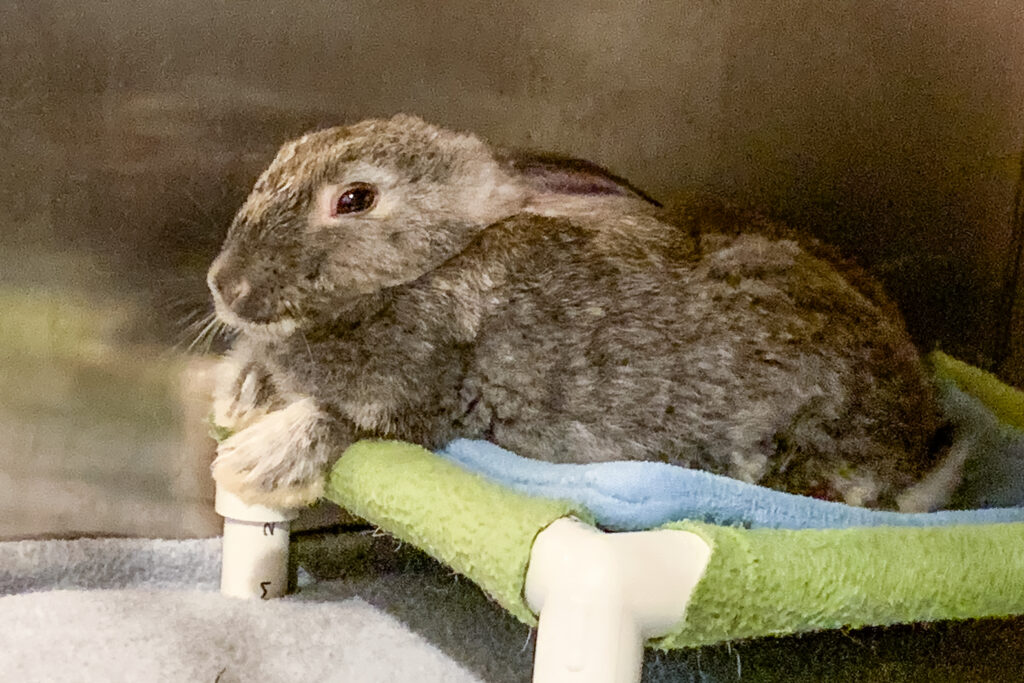
- 2020 (The Lazarus Case): The severity of the crisis hits a stark emotional peak at the GHRS shelter when a Petland employee surrenders a lethargic, critically ill young rabbit named Lazarus. Covered in feces, severely underweight, and suffering from a dangerous parasitic infection known as coccidia, Lazarus represents the darker side of commercial pet supply chains. Through intensive, round-the-clock veterinary intervention and specialized nursing, Lazarus beats the odds. His full recovery—culminating in a healthy weight, neutering, and adoption into a loving home—becomes a potent symbol of resilience and a testament to what is possible when animals receive genuine compassion rather than commodification.
- October 2025: GHRS formally joins forces with The Rabbit.org Foundation and over 100 nationwide rescue groups to roll out the unified Stop Rabbit Sales campaign, releasing targeted regional data and calling for an immediate policy shift from Petland corporate leadership.
Supporting Data: Understanding the Toll on Rescues
The arguments put forward by GHRS and The Rabbit.org Foundation are backed by decades of operational data from animal rescue networks across the United States. Rabbits consistently rank as the third most commonly surrendered animal in shelters, trailing only dogs and cats. Unlike cats and dogs, however, municipal animal control facilities rarely possess the specialized infrastructure, diet protocols, or veterinary expertise required to properly care for rabbits. Consequently, the burden falls almost entirely on private, donor-funded nonprofits like GHRS.
Financial and physical resources at these rescues are perpetually stretched to their limits. Specialized care for an incoming surrender—ranging from emergency diagnostics and treatment for gastrointestinal stasis or parasitic infections to routine spay/neuter surgeries—costs rescues hundreds of dollars per animal. When commercial pet stores continuously pump naive buyers with live inventory, it creates an endless pipeline of intake cases that outpaces the rate of adoption, leading to severe capacity crises within the shelter system.
Official Responses and Perspectives
The Shelter Perspective
Courtney Gurley, Shelter Manager for the Georgia House Rabbit Society, emphasizes that the fallout from retail sales is a daily reality for her staff and volunteers.
"Across Georgia’s three Petland locations, we see the fallout firsthand," Gurley stated during the statewide campaign launch. "Young rabbits are often sent home with families who don’t yet understand their specialized needs. Weeks later, many of those same rabbits arrive at our rescue underweight, frightened, and in need of veterinary care."
Gurley and her colleagues argue that responsible pet retail should prioritize education and adoption over profit margins derived from live animal sales. By shifting to a partnership model with established rescues, corporations like Petland could drastically reduce the burden on community shelters while still maintaining foot traffic and commercial viability through pet supplies, food, and accessories.
The National Advocacy Framework
The Rabbit.org Foundation, spearheading the broader campaign, has positioned the movement as an essential evolution in modern animal welfare standards. For decades, major societal shifts have successfully pressured many national pet supply chains to phase out the retail sale of dogs and cats, opting instead to showcase shelter animals. Advocates argue that rabbits, as the third most popular companion mammal, deserve the exact same ethical consideration and protection under corporate retail policies.
Implications for Consumers, Retailers, and the Future of Animal Welfare
The synchronized push by GHRS and its national allies carries profound implications for the commercial pet industry, consumers, and animal advocacy groups alike.
1. Shifts in Corporate Responsibility
As public awareness regarding animal welfare grows, companies that continue to sell live small animals face increasing reputational risks. Campaigns like Stop Rabbit Sales leverage digital mobilization, community education, and direct consumer pressure to alter corporate behavior. If Petland and similar entities choose to ignore these calls, they risk alienating a growing demographic of ethically conscious consumers who prefer to support humane businesses.
2. Consumer Empowerment and Education
A core pillar of the GHRS mission is public education. By drawing media attention to the realities of rabbit ownership, the campaign aims to curb impulse buying. Consumers are being encouraged to thoroughly research exotic pet care before making a commitment, and to look exclusively to rescues and shelters when seeking a new companion animal.
3. A Blueprint for Future Advocacy
The partnership between local entities like the Georgia House Rabbit Society and national bodies like The Rabbit.org Foundation demonstrates the power of coalition building in animal advocacy. By synchronizing messaging and pooling resources, smaller regional rescues gain a much louder megaphone to challenge corporate giants.
Ultimately, advocates hope that the campaign will serve as a catalyst for broader legislative and corporate changes, ensuring that domestic rabbits are viewed not as disposable retail merchandise, but as sentient, intelligent companions worthy of respect, specialized care, and permanent, loving homes.
To learn more about the campaign, review the full press release, or discover how to support local rescue efforts, visit the official websites of the Georgia House Rabbit Society and The Rabbit.org Foundation.