In the remote, dense jungles of the Moskitia region in Honduras, the critically endangered Central American scarlet macaw soars above the canopy—a vibrant flash of red, yellow, and blue against an emerald backdrop. These birds are more than just a biological wonder; they are a symbol of a fragile, interconnected ecosystem. For Tomas Manzanares, an indigenous leader in the village of Rus Rus, these birds were a testament to the sanctity of the land he called home. His story, however, serves as a sobering reminder of the conflict between human greed and the natural world, while simultaneously pointing toward a burgeoning movement of healing through avian companionship.
The Tragedy of Rus Rus: A Catalyst for Awareness
The story of Tomas Manzanares is one of immense courage met with systemic indifference. As a protector of ancestral lands, Manzanares witnessed the encroachment of illegal loggers and poachers who viewed the Moskitia rainforest not as a living entity, but as a resource to be plundered. Trees were felled, and the iconic scarlet macaws were snatched from their nests to be sold into the illegal pet trade.
When Manzanares chose to act, reporting the perpetrators to the authorities, he was met with a dangerous silence from the government. The criminals, emboldened by the lack of legal oversight, targeted the whistleblower. In a brutal ambush near the river where Manzanares performed his daily ablutions, he was shot multiple times. While he miraculously survived the assassination attempt, the psychological toll was immediate and absolute; fearing for their lives, his fellow villagers fled, leaving their homes behind.
Manzanares’ ordeal brought to light a profound philosophical truth: the "interconnected whole." He posits that when one species—or one human—is exploited, the entire ecosystem suffers. His experience highlights a modern crisis where the devaluation of nature directly correlates with the devaluation of human rights. Yet, from this darkness emerged a realization that has been echoed by researchers and therapists across the globe: the capacity for empathy is not unique to humans. Parrots, with their complex social structures and emotional intelligence, possess the ability to console, rejoice, and connect, offering a bridge to healing for those who have lost faith in their own kind.
The Architecture of Human Distrust and Avian Therapy
Modern society is often built upon rigid hierarchies that categorize human worth based on socioeconomic status, geography, and professional success. This "rating" system, as seen in media depictions like Farmer Wants a Wife, reinforces divisions between rural and urban populations, often alienating those who do not fit the conventional mold of "success."
For individuals navigating the aftermath of betrayal, systemic abuse, or the trauma of war, human relationships can feel fraught with expectations and judgment. In these instances, the uncomplicated, non-judgmental presence of a parrot can serve as a revolutionary therapeutic tool. Unlike humans, parrots do not concern themselves with a person’s past, their wealth, or their social standing. Their affection is grounded in the present moment, providing a unique form of psychological support that bypasses the complex social barriers that often hinder traditional talk therapy.
Chronology of an Unconventional Cure: The Serenity Park Model
The integration of parrots into clinical therapy is not a new concept, but its application in high-trauma environments has seen significant evolution over the last decade.
- Pre-2014: Psychologist Dr. Lorin Lindner begins observing spontaneous, positive interactions between veterans and parrots at a sanctuary she manages in northern Los Angeles. She notes a marked decrease in agitation among combat veterans when they are in the presence of birds.
- 2014: Dr. Lindner successfully petitions the Veterans Affairs (VA) Medical Center to allocate land for an experimental animal therapy program.
- 2014–2016: The construction of Serenity Park, a sanctuary where veterans and parrots are paired. The program operates on a donation-based model, focusing on mutual rehabilitation.
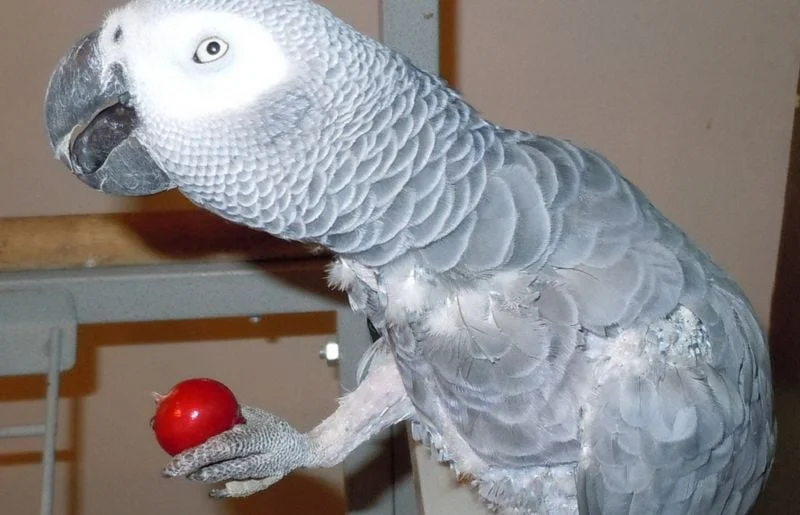
- 2016–Present: Ongoing success stories emerge, including veterans suffering from severe PTSD and former service members struggling with reintegration into civilian life, reporting profound emotional breakthroughs through their relationships with birds like Zoe, the African Gray.
Supporting Data: The Case Studies of Resilience
The Mike Flennikan Story
Mike Flennikan’s journey is one of survival through multiple layers of trauma. A combat veteran of the Vietnam War who subsequently spent 22 years in prison, Flennikan entered the Serenity Park program with a deep-seated cynicism regarding human connection.
"If you’d-a told me five years ago that I’d be sitting in a cage like this, petting a bird, I’d-a told you, ‘You’re outta your mind!’" Flennikan admits. However, the connection was instantaneous. "She [Zoe] immediately saw something in me that I needed. She makes me feel like I’m important to her." For Flennikan, the bird became a tether to stability, offering a sense of purpose that he had not found in decades of institutional life.
The Lilly Love Testimony
Lilly Love, a former Coast Guard Rescue swimmer, experienced the catastrophic loss of her crew in a helicopter crash—a traumatic event that precipitated a spiral into depression, substance abuse, and identity crises. Traditional therapy proved insufficient for Love until she encountered the birds at Serenity Park.

"I sincerely prefer these birds over people," Love states. Her experience underscores a critical therapeutic finding: the birds do not demand a "fixed" version of a person. By learning to care for another creature that is inherently fragile, yet capable of profound joy, Love was able to reconstruct her own sense of self-worth.
Official Responses and Clinical Perspectives
Dr. Lorin Lindner, the architect of this initiative, has long argued that the therapeutic value of parrots has been undervalued compared to dogs or horses. "I noticed a remarkable transformation in them," Dr. Lindner noted during an interview regarding her observations at the VA facility. "Holding the birds in their arms, speaking to them tenderly—it was a bond I hadn’t observed during group therapy."
The clinical significance lies in the bird’s ability to mirror human emotion without the pressure of language. For a veteran with PTSD, the silence of a bird can be far more comforting than the noise of a clinical setting. The bird acts as a surrogate for intimacy—a safe space to practice empathy and trust without the fear of social retribution.
Implications: The Ecological and Psychological Synthesis
The implications of these findings extend far beyond the cages of a sanctuary. They force us to re-evaluate our relationship with the natural world.
Reclaiming Human Agency
When we care for birds, we engage in an act of "pro-social" behavior that reinforces our own humanity. Whether one is protecting the habitat of the scarlet macaw in Honduras or providing a sanctuary for a rescue parrot in Los Angeles, the act of stewardship wards off the existential despair of victimhood. By taking action to preserve the well-being of another species, individuals integrate their values with their daily lives, leading to a profound, indwelling sense of satisfaction.
Challenging Cultural Biases
The current global culture tends to favor the powerful and the human-centric. By recognizing that other species possess agency, complex minds, and emotional needs, we begin to dismantle the biases that justify exploitation. Recognizing that we are but one species in a vast, interconnected web of life reduces the loneliness of the human experience. We are not isolated actors; we are part of a family of living things.
Biodiversity as a Pillar of Well-being
Scientific studies continue to confirm that biodiversity—the richness and variety of life on Earth—is a prerequisite for human mental health. The presence of birds, their songs, and their activities serve as a "natural antidepressant." When we protect the ecosystems that allow these birds to thrive, we are, in effect, protecting the infrastructure of our own emotional health.
Conclusion: A Winged Path to Healing
The story of the scarlet macaws in Honduras and the veterans at Serenity Park are two sides of the same coin. Both highlight the necessity of empathy in a world that has become increasingly disconnected. While birds may not be the conventional choice for therapy, their unique ability to offer unconditional presence makes them an invaluable asset in the healing process.
As we move forward, the lessons from Tomas Manzanares and Dr. Lorin Lindner remain clear: we inhabit a shared Earth. If one species suffers, we all suffer. Conversely, by assisting those who are vulnerable—whether they are indigenous people fighting for their land or animals in need of refuge—we uplift the collective human spirit. In the flutter of a wing and the soft vocalizations of a parrot, we find not just a bird, but a mirror reflecting our own capacity for healing, trust, and renewed joy. In a world that often feels indifferent, the avian connection reminds us that we are never truly alone, and that caring for the "other" is the ultimate act of caring for ourselves.