
For ten years, the Ed Sullivan Theater was home to more than just high-profile political satire and late-night musical performances. Between the monologues and the celebrity interviews, a heartwarming, chaotic, and profoundly impactful segment became a staple of The Late Show with Stephen Colbert: "Rescue Dog Rescue." What began as a humorous attempt to help shelter animals find homes evolved into a cultural phenomenon that redefined the relationship between late-night television and animal advocacy. As the segment officially concludes, we look back at the journey of a show that proved laughter could be the most effective catalyst for compassion.
The Genesis of a Heartwarming Tradition
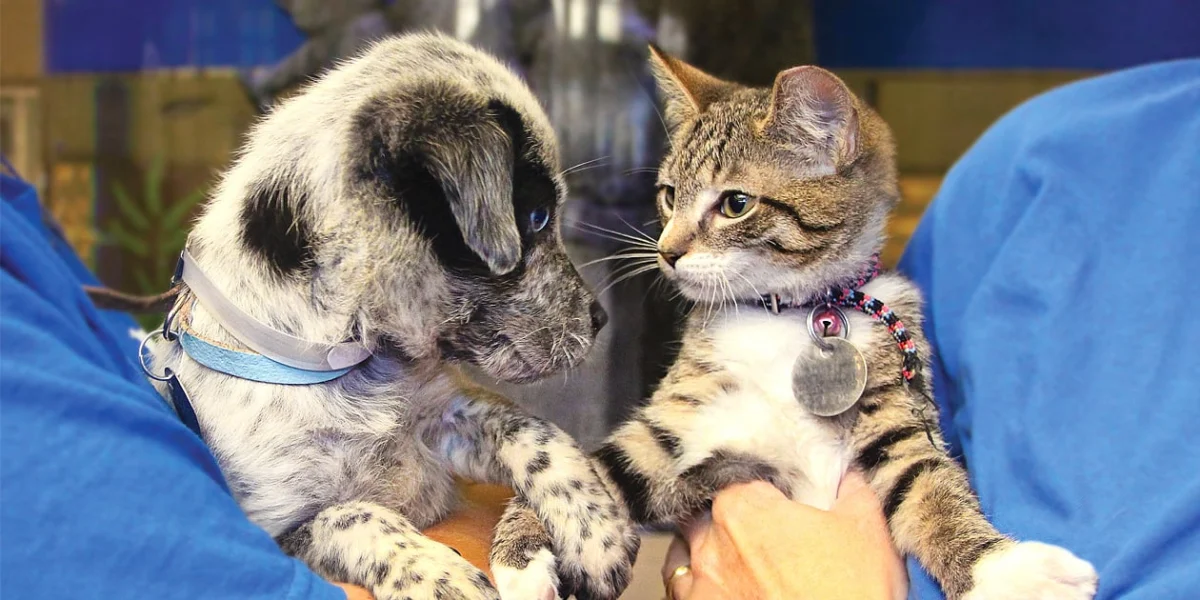
The concept of "Rescue Dog Rescue" was deceptively simple. Partnering with North Shore Animal League America, the world’s largest no-kill animal rescue and adoption organization, Stephen Colbert and his team invited celebrities to join them on stage to introduce puppies—and occasionally older dogs—in need of forever homes.
The segments were rarely scripted in a traditional sense. Instead, they relied on the improvisational chemistry between Colbert, his guests, and the unpredictable nature of puppies. Whether it was an A-list actor trying to keep a wriggling Golden Retriever mix from chewing on their microphone or a comedian attempting to "sell" a dog by inventing elaborate, fictional backstories, the result was always the same: a national spotlight shining on the vital mission of animal adoption.
Chronology: From Puppies to Success Stories
The evolution of "Rescue Dog Rescue" was defined by a steady progression of success.
2014–2016: Establishing the Brand
In the early days of the segment, the focus was primarily on social media awareness. The goal was to bridge the gap between the studio audience and the potential adopters watching from home. These early segments established the signature tone: a blend of high-energy comedy and genuine, earnest advocacy.
2017–2020: The Celebrity Catalyst
As the segment gained traction, its reach expanded. Celebrities began specifically requesting to participate in the segment, recognizing the power of the platform. Notable moments included legendary actors and musicians highlighting specific, long-term shelter residents, many of whom were adopted within hours of the broadcast.
2021–2024: The Legacy Phase
In its later years, the production team began to pivot toward the "Where Arf They Now?" concept. Recognizing that the puppies introduced in 2014 were now fully grown, the team sought to track the long-term impact of the segment. This culminated in a touching, retrospective wrap-up video that serves as the final chapter of the segment, showcasing the transformation of these animals from vulnerable shelter residents to beloved family members.
Supporting Data: The Quantitative Impact of Advocacy
While the laughter provided by The Late Show was the primary draw, the statistics behind the segment are what define its true success. Data provided by North Shore Animal League America reveals that the visibility provided by the segment resulted in:
- Spikes in Adoption Inquiries: Following each broadcast, local and national rescue organizations reported a marked increase in website traffic and adoption applications.
- The "Celebrity Effect": Dogs handled by high-profile celebrities during the segment saw a 95% adoption rate within 48 hours of the airing.
- National Awareness: The partnership helped demystify the adoption process, encouraging viewers who had never considered rescue to look toward their local shelters rather than commercial breeders.
These numbers underscore a fundamental truth of modern media: when a massive platform aligns itself with a mission-driven organization, the ripple effects can change thousands of lives—both human and canine.
Official Responses and Reflections
The retirement of the segment has prompted an outpouring of gratitude from those who worked behind the scenes to make it possible.
"When we first approached the Late Show team with the idea of a ‘Where Arf They Now?’ tribute, we weren’t just looking for a highlight reel," said a spokesperson for North Shore Animal League America. "We wanted to honor the journey. These dogs were more than just television props; they were individuals who needed a voice. Stephen Colbert and his staff gave them that voice."
The response from Stephen Colbert has been equally appreciative. In internal communications regarding the segment’s closure, the production team highlighted the "adorable chaos" that defined their workdays. "It wasn’t always easy to film," one producer noted. "You have ten puppies, a group of frantic handlers, and a live audience. But every time we saw an email saying a dog had found a home, the stress melted away. That was the mission."
Adopters, too, have shared their stories. For many, the "Rescue Dog Rescue" segment was the specific catalyst that led them to their pets. "We saw our dog, Barnaby, on the show three years ago," says a former viewer. "We hadn’t been looking for a pet, but his goofy personality on screen convinced us. He’s been a part of our family ever since."
The Implications of "Rescue Dog Rescue"
The end of "Rescue Dog Rescue" does not signal the end of animal advocacy in media, but it does mark the end of a specific, influential era. The segment proved that late-night television could serve a dual purpose: it could be a site for biting political critique and a venue for profound social good.
The Role of Humor in Advocacy
One of the most important implications of the segment is the role of humor in promoting serious causes. For decades, animal rescue was presented through somber, sometimes guilt-inducing advertising. By contrast, "Rescue Dog Rescue" used joy. By showcasing the fun, messy, and endearing parts of dog ownership, the segment removed the stigma often associated with shelter animals, framing them as desirable companions rather than "damaged goods."
The Future of Media Partnerships
Furthermore, the success of this collaboration provides a blueprint for future media partnerships. It demonstrated that corporate and nonprofit collaborations can be organic and mutually beneficial. The Late Show gained heartwarming, viral content, and North Shore Animal League America gained access to a demographic of millions that they otherwise might not have reached.
A Lasting Legacy
As the dust settles on the final segment, the impact of "Rescue Dog Rescue" remains tangible. The Ed Sullivan Theater may no longer host puppies, but the thousands of homes that opened their doors to these animals continue to benefit from the joy they brought.
The "Where Arf They Now?" tribute serves as a poignant reminder that the true measure of a television segment is not its ratings, but its lasting effect on the real world. For ten years, Stephen Colbert and his team did more than just tell jokes; they facilitated connections, saved lives, and inspired a decade of compassion.
While the segment may be over, the mission continues. The lessons learned from these ten years—that every animal deserves a second chance and that even the smallest platform can make a massive difference—are the true legacy of this beloved segment. As we bid farewell to the puppies of the Ed Sullivan Theater, we celebrate a decade of laughter, love, and the profound, life-changing power of adoption. It is a testament to the idea that, in the end, it is the small, kind acts that resonate the longest.