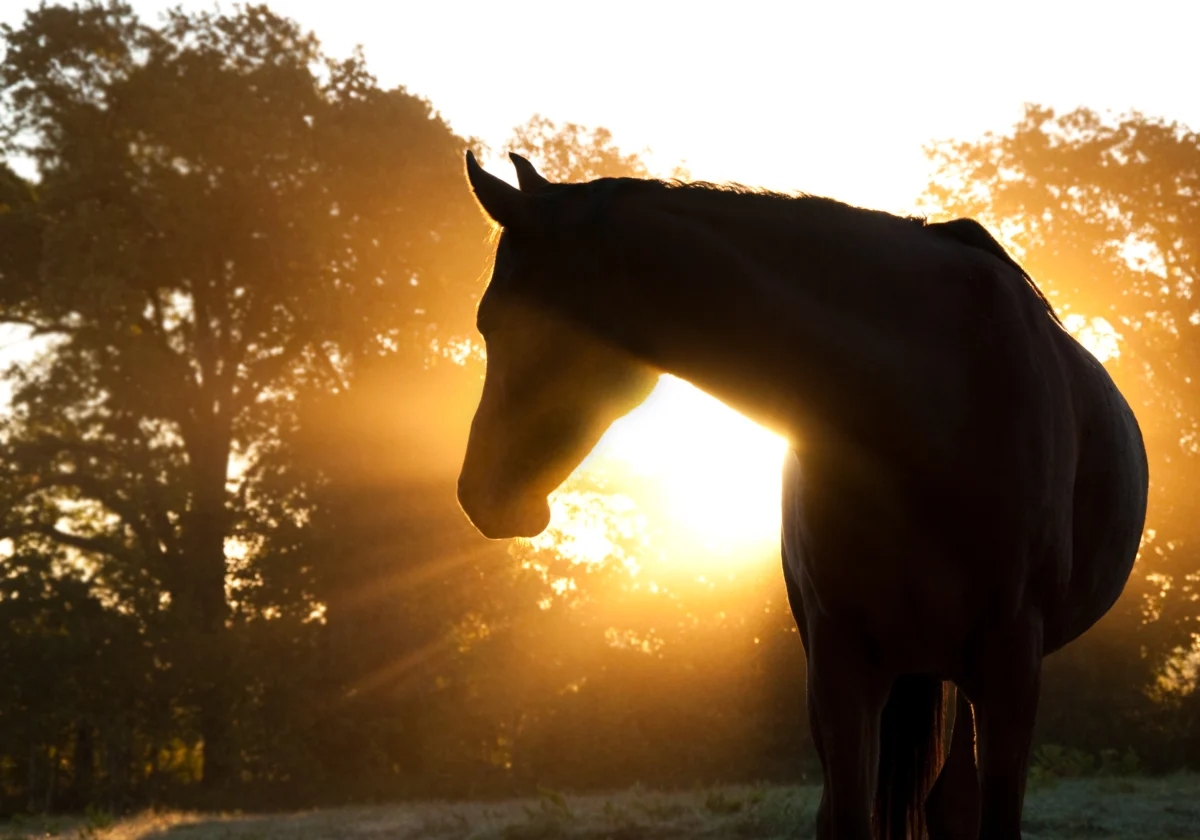
In a recent alert issued by the Equine Disease Communication Center (EDCC), health officials confirmed that a horse residing in Maricopa County, Arizona, has tested positive for the West Nile virus (WNV). The case, involving an unvaccinated animal, serves as a stark reminder of the persistent threat posed by mosquito-borne diseases in the American Southwest and underscores the vital necessity of routine immunization for the equine population.
Main Facts: The Maricopa County Incident
The diagnosis in Maricopa County highlights the ongoing risk of endemic zoonotic diseases. West Nile virus is a viral infection primarily transmitted to horses—and humans—via the bite of infected Culex species mosquitoes. These insects act as vectors, picking up the virus from infected avian reservoirs (typically wild birds) and transmitting it during subsequent blood meals.
In this instance, the affected horse had no prior vaccination history, leaving it entirely susceptible to the virus. Because WNV affects the central nervous system, it can cause severe neurological deficits. While the specific clinical trajectory of this individual horse remains a matter of clinical monitoring, the case serves as a sentinel for the region, suggesting that the virus is actively circulating in the local mosquito population.
Chronology of the Threat
While this specific confirmation is recent, the history of West Nile virus in the United States dates back to 1999, when it first appeared in New York. Since that time, the virus has moved steadily across the continent, becoming firmly established in every state in the contiguous U.S.
For Arizona, the warm climate and irrigation practices in Maricopa County create a near-constant breeding ground for mosquitoes. The seasonal cycle typically intensifies during the warmer months; however, in regions with mild winters, the risk window can extend significantly.
- Environmental Colonization: Over the past two decades, WNV has successfully colonized various mosquito vectors, ensuring its survival even through periods of relative dormancy.
- Detection Thresholds: The detection of this positive case typically follows a period of increased mosquito activity and reports of clinical neurological symptoms in local equine populations.
- Veterinary Intervention: Upon the manifestation of symptoms, attending veterinarians performed diagnostic testing (typically involving blood titers or cerebrospinal fluid analysis), which led to the formal notification of state agricultural authorities and the EDCC.
The Pathophysiology of WNV: Why It Matters
West Nile virus is a member of the Flavivirus genus. Once a mosquito injects the virus into the horse, the pathogen replicates in the regional lymph nodes before entering the bloodstream (viremia). In many cases, the horse’s immune system clears the virus before significant damage occurs. However, in vulnerable animals, the virus can cross the blood-brain barrier, leading to encephalitis—an inflammation of the brain and spinal cord.
Clinical Signs of Infection
Equine owners should be vigilant for the following neurological indicators:
- Ataxia: Incoordination or a "stumbling" gait.
- Muscle Tremors: Particularly around the muzzle, face, and shoulder regions.
- Hyperesthesia: Extreme sensitivity to sound or touch.
- Behavioral Changes: Depression, restlessness, or uncharacteristic aggression.
- Recumbency: An inability to stand, which often carries a grave prognosis.
It is critical to note that there is no specific cure for West Nile virus. Treatment is strictly supportive, focusing on anti-inflammatory medication (such as NSAIDs), fluid therapy, and nursing care to prevent secondary complications like pressure sores or aspiration pneumonia. The mortality rate for horses exhibiting clinical signs of WNV is historically high, often cited between 30% and 40%.
Supporting Data: The Efficacy of Vaccination
The most powerful tool in the arsenal against WNV is the core vaccine. Extensive veterinary research has demonstrated that vaccinated horses have a significantly higher survival rate and are far less likely to exhibit clinical symptoms if exposed.
Vaccination Protocols
Veterinary standards have evolved to address the reality of year-round mosquito activity in states like Arizona:
- The Naive Horse: Previously unvaccinated horses require a primary series of two doses, administered three to six weeks apart. Protection is not instantaneous; it typically takes several weeks post-vaccination for the horse to develop an adequate immune response.
- The Annual Booster: Horses previously vaccinated require annual boosters. However, in regions like Maricopa County, where the mosquito season is prolonged, many veterinarians recommend a biannual schedule. Administering a booster in the spring (to prepare for peak mosquito season) and the fall (to maintain titer levels through the end of the year) provides the most robust coverage.
Official Responses and Public Health Implications
The EDCC, which disseminates these alerts, acts as the primary clearinghouse for equine infectious disease data. By maintaining transparency, they enable horse owners and trainers to make informed decisions regarding biosecurity and herd management.
Public health officials in Arizona reiterate that while horses cannot directly transmit WNV to humans, their presence indicates that the virus is actively circulating in the environment. This serves as a "canary in the coal mine" for the human population, signaling that personal protective measures—such as using insect repellent, wearing long sleeves, and eliminating standing water—are necessary for the community at large.
Mitigation Strategies: Beyond the Needle
Vaccination is the cornerstone of prevention, but it should be part of a comprehensive integrated pest management (IPM) strategy. Reducing the population of mosquitoes around the barn is essential for minimizing the risk of exposure.
Environmental Management
- Eliminate Breeding Sites: Mosquitoes require stagnant water to lay eggs. Owners should regularly clean and dump birdbaths, trough basins, and buckets. Ensure that drainage ditches are clear and that gutters are free of debris.
- Strategic Turnout: Mosquitoes are most active during the crepuscular hours (dawn and dusk). If possible, keep horses inside barns equipped with screens or fans during these times, as high-velocity airflow can physically inhibit the flight of mosquitoes.
- Mechanical Barriers: The use of equine-safe fly sheets, masks, and boots can provide a physical barrier between the horse and the biting insects.
- Chemical Deterrents: Utilize EPA-approved topical fly sprays and ensure they are applied consistently.
The Economic and Emotional Impact
The loss of a horse to a preventable disease like West Nile is both an emotional tragedy and an economic blow to the equine industry. For competitive riders, trainers, and breeders, the disruption caused by an outbreak can lead to the cancellation of events, the implementation of quarantines, and the loss of performance time.
The EDCC’s role in broadcasting this information is intended to prevent such disruptions by encouraging proactive care. By the time a horse shows clinical signs, the window for preventative action has closed. Therefore, the goal is to shift the mindset of owners from "reactive treatment" to "proactive prevention."
Conclusion: A Call to Action
The positive test result in Maricopa County is not merely a localized statistic; it is a reminder of the evolving landscape of infectious disease. Climate change, shifting migration patterns, and the resilience of vectors mean that horse owners can no longer afford to be complacent about core vaccinations.
If you own or manage horses in Arizona, or indeed any region with an active mosquito population, contact your veterinarian today to discuss your horse’s vaccination status. Ensure that your records are up to date and that your booster schedule is aligned with current regional risks. By taking these simple, evidence-based steps, the equine community can protect individual horses and ensure the health and safety of the broader population.
Stay informed by monitoring the EDCC website and subscribing to official veterinary health alerts. Your vigilance is the first line of defense.
Quick Checklist for Horse Owners:
- Consult your Veterinarian: Check your horse’s medical records to confirm the date of the last WNV vaccine.
- Review your Schedule: If you are in a year-round mosquito region, ask about a biannual booster schedule.
- Inspect the Property: Walk your pasture and barn perimeter to identify and empty any containers holding stagnant water.
- Monitor Daily: Watch for subtle changes in your horse’s behavior or gait, as early detection of neurological issues can improve the success of supportive care.