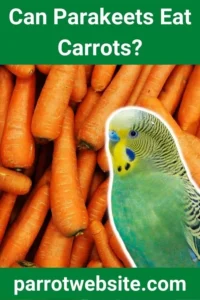
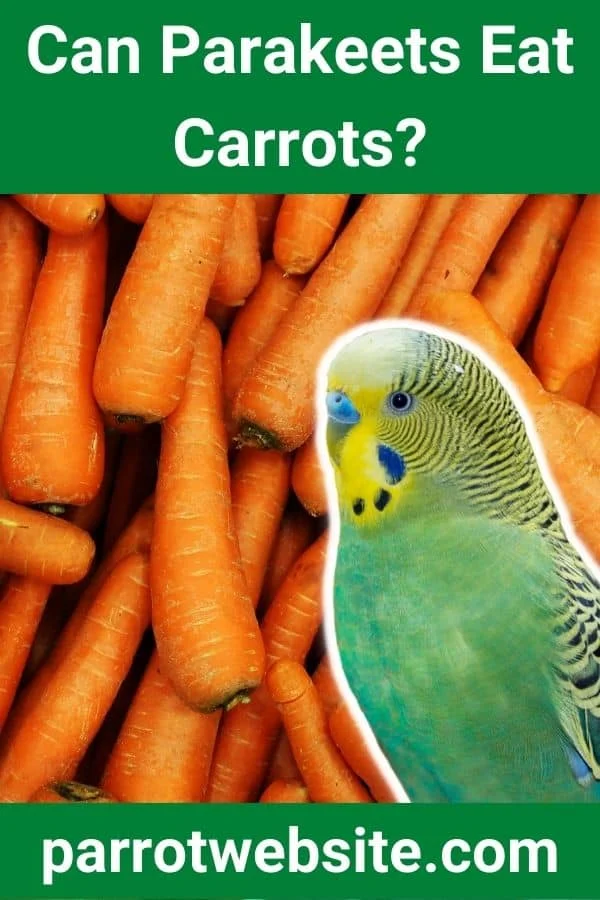
It is the peak of the harvest season for many home gardeners, a time when allotments and kitchen gardens yield an abundance of fresh, vibrant produce. For those who share their homes with avian companions, this bounty often prompts a common yet vital question: Can our feathered friends partake in the harvest? Specifically, as parakeets—or budgerigars—show a natural curiosity toward the fruits and vegetables brought into the home, owners are frequently left wondering if the humble carrot is a safe addition to their pet’s diet.
Recent insights into avian nutrition suggest that while carrots are indeed a safe and highly beneficial snack, they must be integrated into a bird’s diet with precision and care. This report examines the nutritional implications, safety guidelines, and best practices for incorporating carrots into a parakeet’s regimen.
Main Facts: The Nutritional Profile of Carrots for Avian Health
Carrots (Daucus carota) are recognized globally for their high nutrient density. When considering them as part of a parakeet’s diet, it is essential to understand what makes them beneficial and where the limitations lie.
Nutritional Breakdown
Carrots are packed with essential vitamins and minerals that support the physiological functions of a parakeet. Key components include:
- Fiber: Essential for maintaining digestive tract regularity and overall gut health.
- Beta-Carotene: A precursor to Vitamin A, which is crucial for maintaining healthy plumage, skin, and vision in birds.
- Vitamins A, B, K1, and B6: These play pivotal roles in bone development, blood coagulation, and metabolic energy conversion.
- Potassium: An essential mineral that aids in maintaining healthy blood pressure and proper muscle function.
Despite these benefits, carrots should never serve as the foundation of a bird’s diet. They are considered an "occasional treat" rather than a dietary staple. A parakeet’s primary nutritional requirements are best met through a high-quality pellet mix supplemented by a variety of bird-safe vegetables and occasional seeds.
Chronology: The Journey from Garden to Cage
The realization that a pet might enjoy fresh produce often begins with a simple observation. In the experience of many bird owners, the interaction starts at the kitchen counter. When a fresh harvest is brought indoors, the inquisitive nature of a parakeet—a species known for its high intelligence and curiosity—inevitably draws them to the new scent and texture.
- Observation: The bird exhibits interest in the new, colorful food item.
- Investigation: The owner seeks clarity on safety. In the digital age, this often involves consulting avian veterinarians or reputable ornithological sources.
- Introduction: Once confirmed safe, the carrot is introduced in small, manageable pieces.
- Monitoring: The owner observes the bird’s reaction and digestive response to the new food item.
- Integration: The carrot becomes an infrequent, scheduled addition to the bird’s weekly dietary rotation.
Supporting Data: Why Moderation is Non-Negotiable
The assertion that "too much of a good thing" applies to avian nutrition is supported by the physiological sensitivity of the parakeet. While carrots are not toxic, they are rich in carbohydrates—specifically sucrose and glucose—and starches.
The Risks of Overfeeding
If a parakeet consumes excessive amounts of carrots, several issues can arise:
- Digestive Distress: An overabundance of fiber and sugars can lead to loose stools or an imbalance in the bird’s delicate gut microbiome.
- Nutritional Imbalance: If a bird fills up on carrots, it may ignore its nutritionally complete pellets, leading to deficiencies in other vital nutrients.
- Obesity: While carrots are low in fat, the high sugar content can contribute to caloric surplus if fed in large quantities, potentially leading to weight management issues in captive birds that do not have the same exercise levels as their wild counterparts.
Expert Recommendation: Experts generally suggest limiting carrots to a small portion once or twice per week. This frequency ensures the bird receives the antioxidant benefits of beta-carotene without risking the negative side effects of overconsumption.
Official Perspectives: Veterinary Guidance on Preparation
Avian nutritionists and veterinarians provide clear directives on how to prepare carrots to ensure both safety and ease of consumption.
The Preference for Raw Over Cooked
The consensus among avian experts is that raw carrots are superior. In the wild, parakeets consume vegetation in its raw, unadulterated state. Cooking carrots can lead to a loss of heat-sensitive vitamins and, more importantly, exposes the bird to unnecessary risks.
If one chooses to feed cooked carrots, it is imperative that they be prepared without:
- Oils: Added fats are generally not part of a parakeet’s natural diet.
- Spices/Seasonings: Salt, onion powder, garlic, and other common kitchen seasonings are often toxic or harmful to birds.
- High Heat: Excessive cooking may degrade the nutritional value.
Handling and Serving
Because carrots are naturally dense and tough, they can be difficult for a small bird to break down. Owners are advised to:
- Wash thoroughly: Ensure all pesticides or soil contaminants are removed.
- Chop or Grate: Dicing the carrot into small, bite-sized cubes or grating it into shreds makes it significantly easier for the parakeet to handle and consume.
- Baby Carrots: These are acceptable, provided they are cut into smaller pieces. Many owners find that baby carrots are convenient, but they still carry the same nutritional profile as full-sized carrots and should be treated with the same moderation.
Implications: The Role of Variety in Avian Wellness
The most important takeaway for any parakeet owner is that the health of the bird depends on dietary variety. Carrots are a fantastic tool to introduce new textures and flavors, but they are just one piece of a much larger puzzle.
Building a Balanced Regimen
To ensure a thriving, healthy bird, the following dietary structure is recommended:
- Base: A high-quality, vet-approved pellet diet designed for small psittacines.
- Greens: Dark, leafy greens such as kale, spinach (in moderation), and dandelion greens.
- Fruits/Vegetables: Seasonal items like carrots, bell peppers, and squash, rotated frequently to prevent "food boredom."
- Hydration: Always ensure access to fresh, clean, chlorine-free water.
By rotating treats, the owner ensures the bird does not become overly dependent on a single snack. For instance, if carrots are served on Tuesday, a piece of broccoli or a small slice of apple (without seeds) might be offered on Thursday. This approach mimics the foraging behavior of wild parakeets, who naturally seek out a diverse range of seasonal flora.
Long-term Health Benefits
The long-term implications of a well-managed, varied diet are significant. Owners who prioritize nutrition see birds with:
- Improved Feather Quality: Better nutrient absorption leads to brighter, stronger, and more resilient plumage.
- Cognitive Sharpness: Proper nutrition supports the high metabolic needs of a bird’s brain.
- Disease Resistance: A balanced immune system, supported by the vitamins found in vegetables like carrots, is better equipped to fight off common avian ailments.
Conclusion: The Responsible Path Forward
Can parakeets eat carrots? The answer is an emphatic yes, provided it is approached with the appropriate level of caution. Carrots are a nutrient-dense, flavorful, and safe snack that can provide essential fiber, vitamins, and minerals to your parakeet.
However, the key to success lies in the balance. As an owner, your primary responsibility is to provide a varied diet that avoids the pitfalls of excess. By introducing carrots in small, raw, and chopped portions once or twice a week, you can enhance your pet’s dietary life without compromising their overall health.
Ultimately, watching your parakeet enjoy a healthy, fresh treat is a rewarding experience. It strengthens the bond between bird and owner and encourages the natural, inquisitive behaviors that make parakeets such delightful companions. As long as you remain mindful of portion sizes and nutritional variety, the humble carrot can remain a staple in your rotation of healthy, avian-approved snacks for many years to come.