In an era where pet owners view their animals as integral family members, the demand for transparent, science-backed nutritional advice has never been higher. Yet, a recent feature by Good Housekeeping titled “8 Dog Food Brands Vets Actually Recommend” has ignited a firestorm of criticism from consumer advocacy groups. While the publication claims a 125-year history of vetting products, pet food advocates argue that the article perpetuates outdated myths and fails to address the critical regulatory chasm between "feed grade" and "human grade" nutrition.
The Good Housekeeping Feature: A Summary of Claims
The Good Housekeeping article sought to simplify the complex pet food aisle by consulting two licensed veterinarians, Dr. Alejandro Caos and Dr. Megan Conrad. The piece highlighted eight brands deemed superior by these experts, with Nutro Ultra Dry Dog Food taking the top spot for "Best Overall."
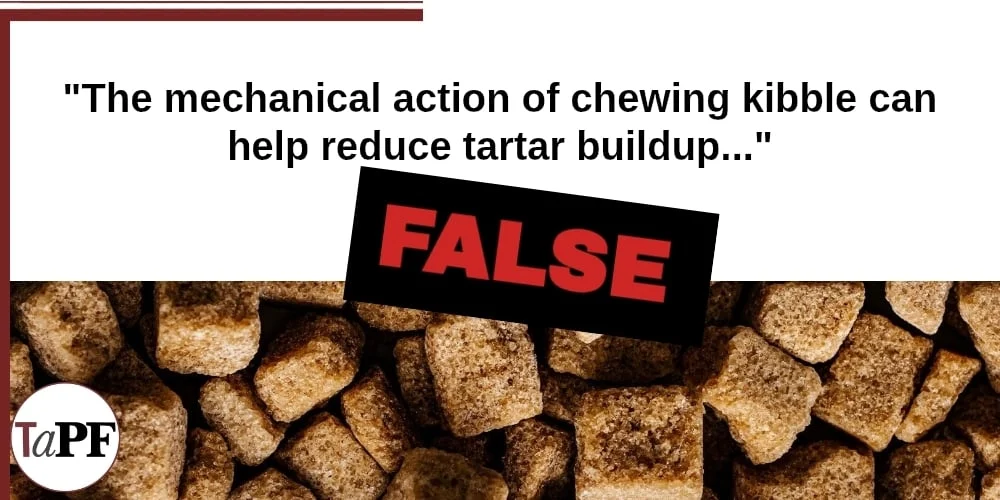
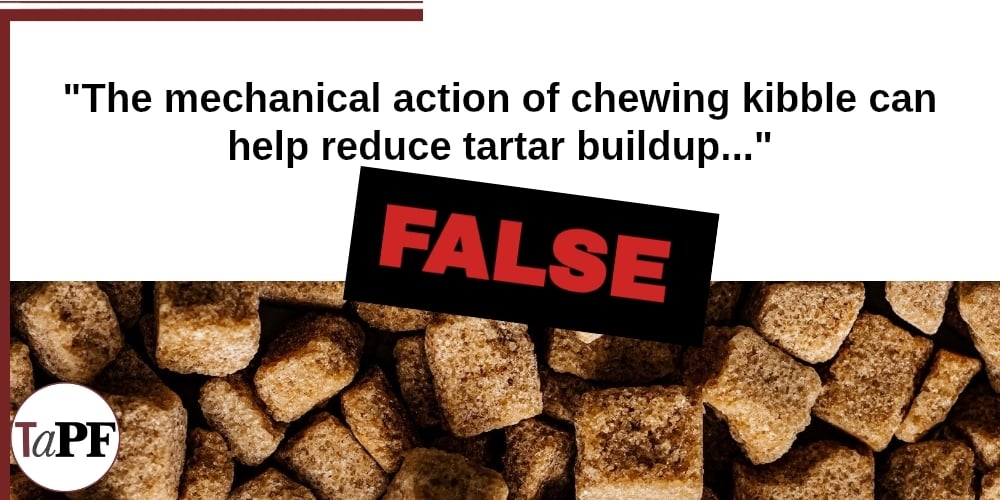
Dr. Caos, providing the rationale for the top pick, noted that the crunchy texture of the kibble "can help promote dental health," claiming that the "mechanical action of chewing kibble can help reduce tartar buildup." Furthermore, Dr. Conrad championed Purina ProPlan, describing it as "one of the most nutritionally balanced options on the market."
However, for pet food consumer advocate Susan Thixton and other industry experts, these endorsements represent a missed opportunity to educate the public, relying instead on superficial industry talking points that lack rigorous scientific substantiation.
The Dental Health Myth: Mechanical Abrasion vs. Reality
The most contentious point in the Good Housekeeping article is the assertion that dry kibble functions as a dental hygiene tool. This is a widely circulated claim in the veterinary community, yet it contradicts findings from the Veterinary Oral Health Council (VOHC).
The Scientific Disconnect
Standard dry kibble typically shatters upon impact. When a dog bites down, the tooth penetrates the kibble, causing it to crumble rather than scrape against the tooth surface. As a result, the "mechanical action" required to dislodge plaque is largely absent.
While certain specialized kibbles are formulated with larger, fibrous shapes or specific textures that have been clinically proven to reduce tartar—and subsequently earned the VOHC seal of acceptance—the average commercial dry food does not possess these properties. By broadly suggesting that all kibble promotes dental health, the article risks leading owners into a false sense of security regarding their pet’s oral hygiene.
Nutritional Ambiguity: Defining "High Quality"
The Good Housekeeping feature quotes Dr. Caos as stating that healthy food should use "high-quality ingredients" and "promote proper digestion." While these are admirable goals, they function more as marketing slogans than actionable criteria for consumers.
In the world of pet food manufacturing, the term "high quality" is not a legally defined regulatory standard. In the absence of a clear definition, the term is often used to describe anything from laboratory-grade nutrients to the lowest-tier byproduct meals permitted by the Association of American Feed Control Officials (AAFCO).
Similarly, when Dr. Conrad labels a product "nutritionally balanced," the term often refers only to the product meeting AAFCO minimum nutrient profiles for a specific life stage. It does not necessarily guarantee optimal bioavailability, ingredient sourcing standards, or the absence of heavy metal contamination. By failing to push for specifics, the publication missed an opportunity to teach readers how to read labels, identify ingredient quality, and demand transparency regarding sourcing.

Feed Grade vs. Human Grade: The Regulatory Elephant in the Room
Perhaps the most significant oversight in the Good Housekeeping article is the lack of distinction between "feed grade" and "human grade" pet food.
The Regulatory Landscape
Most commercial pet foods fall under the classification of "feed grade." This designation allows for the inclusion of ingredients that would not be permitted in human food products. Notably, the FDA has publicly stated that it exercises enforcement discretion regarding the use of "diseased animals or animals that died otherwise than by slaughter" in animal feed, provided the material is rendered or processed to destroy pathogens.
While the Good Housekeeping list included one human-grade option, Ollie Pet Food, the article described it merely as "homemade-looking dinners." It failed to explain the profound regulatory, safety, and quality differences between this product and the other seven "feed grade" options listed. For the average consumer, this implies that all eight brands exist on a level playing field, which, according to consumer advocates, is a dangerous simplification.
A Chronology of the Controversy
- Initial Publication: Good Housekeeping releases "8 Dog Food Brands Vets Actually Recommend," featuring endorsements from Dr. Caos and Dr. Conrad.
- Consumer Backlash: Pet food advocacy groups, including the Association for Truth in Pet Food, identify the dental claims as scientifically inaccurate and the nutritional advice as overly vague.
- Advocacy Intervention: Susan Thixton, a prominent consumer advocate, contacts Good Housekeeping to highlight the potential for consumer harm and the lack of regulatory context in the advice provided.
- Ongoing Debate: The veterinary community remains divided, with some practitioners doubling down on the "kibble-as-toothbrush" narrative, while others—supported by VOHC data—urge caution and a shift toward evidence-based dental care.
Implications for the Pet Owner
The implications of this article are twofold: the erosion of trust in mainstream media and the ongoing confusion regarding pet nutrition. When major lifestyle publications provide health advice without a critical lens, they perpetuate a cycle of misinformation that can impact long-term pet health.
If a veterinarian suggests a brand based on "quality" without defining that quality, the consumer is left without the tools necessary to make an informed choice. Furthermore, when dental health is falsely promised by a bag of kibble, owners may neglect professional cleanings or effective, VOHC-approved oral care products, leading to preventable dental disease.
How to Navigate Pet Nutrition: Questions for Your Vet
The consensus among advocates is that pet owners should not accept broad endorsements. Instead, they should treat their veterinarian as a partner in a fact-finding mission. If your veterinarian recommends a specific diet, consider asking the following:
- "Can you define ‘high-quality ingredients’ in the context of this specific brand? Do they meet human-grade standards?"
- "Does this kibble have a VOHC seal of approval for tartar reduction, or is this a general assumption?"
- "Can you provide peer-reviewed studies that substantiate the claim that this food is more ‘nutritionally balanced’ than others?"
- "Does this manufacturer provide a complete nutrient analysis, and are they willing to disclose the country of origin for all raw ingredients?"
Conclusion: The Path Toward Transparency
The responsibility for pet nutrition lies with the manufacturer, the regulator, and the expert. Good Housekeeping represents a platform with massive reach; with that reach comes a responsibility to conduct deeper due diligence.
The goal of pet food advocacy is not to disparage specific veterinarians or brands, but to ensure that the industry adheres to the same level of transparency required in human food production. Until such time that "feed grade" and "human grade" are clearly differentiated in public discourse, and until marketing claims are held to the standard of scientific evidence, the burden of truth rests on the consumer.
As Susan Thixton advises, pet owners must continue to speak up, hold manufacturers and media outlets accountable, and refuse to accept "because I said so" as a substitute for verifiable nutrition. For the sake of our pets, the conversation about what is truly in the bowl must move beyond the marketing slogans and into the laboratory.