The recent opening of a massive Purina pet food manufacturing facility in Clermont County, Ohio, was initially celebrated as a milestone for regional economic development. However, the $10.5 million in state-funded tax incentives granted to the manufacturing giant has ignited a fierce debate regarding corporate accountability, regulatory oversight, and the integrity of pet food labeling. As the plant begins operations, consumer advocates are questioning whether the state should be subsidizing a company whose product marketing—specifically the imagery on its packaging—may stand in direct contradiction to both the physical contents of the food and established Ohio state law.
The Economic Backdrop: A Multi-Million Dollar Investment
The Purina project in Williamsburg Township has been years in the making, representing a significant long-term investment in Ohio’s manufacturing sector. To secure the facility, the state of Ohio, alongside local government entities in Clermont County and Williamsburg Township, assembled a comprehensive package of financial incentives.
According to public records, the project was bolstered by approximately $6.8 million in initial incentives, which included a $1.7 million land discount provided by the county. Furthermore, the state committed to a 10-year, $2 million job-creation tax credit, contingent upon Purina’s promise to generate 300 new full-time positions within the region. Proponents of the deal argue that these incentives are standard practice for attracting major industry players, fostering job growth, and strengthening the local tax base.
However, critics argue that such generosity should be tethered to more than just employment figures; they suggest that the "corporate good standing" of a recipient should also encompass transparent business practices and strict adherence to labeling regulations.

A Chronology of the Controversy
The tension surrounding the new facility did not emerge in a vacuum. It is the latest chapter in a long-standing dispute between consumer advocates and the pet food industry regarding how products are marketed to pet owners.
- 2002: The FDA releases findings from a study on pet food samples, noting a potential correlation between rendered animal ingredients and the presence of pentobarbital—a drug used for animal euthanasia—raising concerns about the sources of "meat and bone meal" in the pet food supply chain.
- Late 2023–2024: As construction on the Ohio plant nears completion, advocacy groups, including the Association for Truth in Pet Food, begin intensifying public scrutiny of Purina’s marketing strategies.
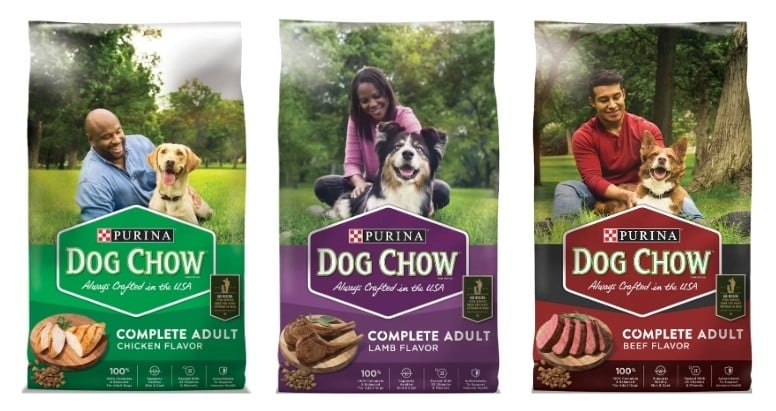
- 2025–2026: The plant officially commences operations. Simultaneously, consumer reports highlight that the visual representations on Purina Dog Chow packaging—specifically images of high-quality proteins like grilled chicken breast, roasted lamb chops, and prime steaks—do not reflect the reality of the ingredients inside the bag.
- Current Status: Pet owners in Ohio and beyond are now calling for a formal audit of the state’s incentive package, arguing that the taxpayer-funded subsidies implicitly endorse potentially deceptive marketing practices.
The Discrepancy: Labeling vs. Reality
At the heart of the controversy is the gap between the sensory appeal of Purina’s packaging and the actual chemical composition of the food. A consumer walking down a pet food aisle sees vibrant, high-definition photographs of human-grade proteins. Yet, a closer inspection of the ingredient list reveals a starkly different reality: the food contains "chicken by-product meal" and "meat and bone meal."
The "Flavor" vs. "Ingredient" Distinction
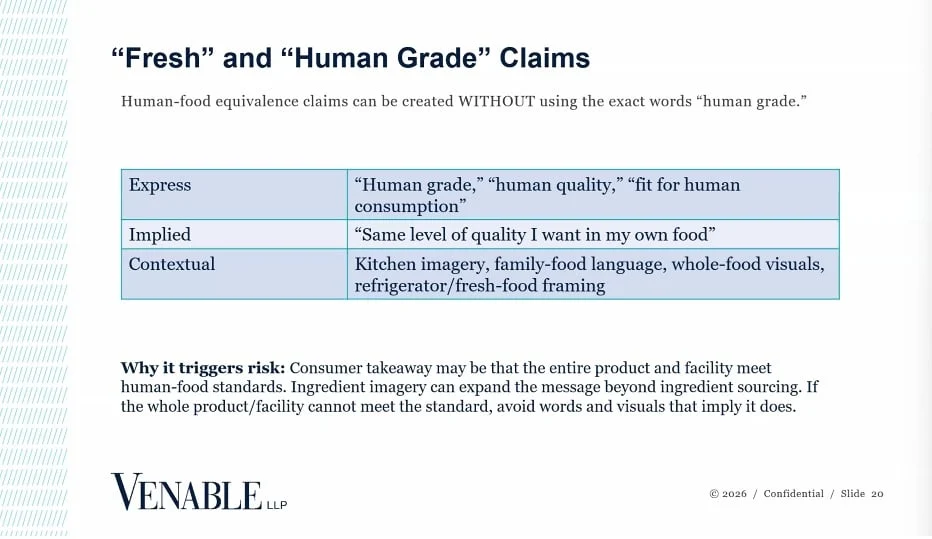
While the packaging portrays whole cuts of meat, the labels technically disclose that the product is "flavored" with these ingredients. However, the front of the packaging contains no prominent disclaimer clarifying that the grilled chicken breast or roasted steak depicted is not actually present in the bag.
Under the Ohio Revised Code (Section 923.48), a pet food is considered "adulterated" if its composition or quality falls below or differs from what it is purported or represented to possess by its labeling. Consumer advocates argue that by using imagery of premium human-grade cuts to sell products composed of rendered by-products, the company is violating the spirit, if not the letter, of these regulations.
The Rendered Ingredient Problem
The ingredients used in place of the depicted proteins—chicken by-product meal and meat and bone meal—are classified as "feed grade," not "human grade." This is a significant distinction. Feed-grade ingredients are often sourced from materials that are not fit for human consumption. This includes condemned carcasses or animal parts that have been deemed inedible by the USDA.
The potential for contamination, as identified by the FDA in 2002, remains a significant concern for pet owners. If a pet food manufacturer cannot prove that the animal materials used to produce their meals are derived exclusively from USDA-inspected and passed animals, those products are effectively in violation of federal guidelines regarding adulterated feed. The lack of transparency regarding the sourcing of these by-products is the primary driver behind the current public outcry.
Implications for Regulatory Oversight
The situation in Ohio raises fundamental questions about the intersection of corporate welfare and consumer protection. If a company receives millions of dollars in taxpayer-funded credits, is it not the responsibility of the state to ensure that the company is acting in full compliance with all laws—not just labor laws, but consumer protection and food safety standards?
The "Enforcement Discretion" Problem
Critics argue that the state of Ohio has utilized "enforcement discretion" to look the other way, choosing to prioritize the 300 jobs promised by Purina over the potential mislabeling of products sold to the public. When government agencies provide financial incentives, they effectively become partners in the business’s success. By failing to hold the company to the same rigorous standard as a smaller, non-subsidized competitor, the state risks creating a two-tiered system of regulatory enforcement.

A Call for Accountability
The demand for a full investigation into the $10.5 million tax credit is growing. Advocates are calling for:
- A Review of Marketing Practices: An investigation by the Ohio Department of Agriculture to determine if the imagery used on Purina packaging violates the state’s adulteration and misbranding statutes.
- Sourcing Transparency: A mandate that companies receiving state incentives must provide verifiable proof that all rendered ingredients used in their products are sourced from USDA-inspected, human-grade-equivalent animals.
- Policy Reform: Legislation that would require any company receiving government subsidies to undergo a "compliance audit" that includes a review of product labeling accuracy.
Moving Forward: The Consumer’s Role
As this controversy unfolds, the role of the informed consumer has never been more critical. The Association for Truth in Pet Food and other organizations are urging residents of Ohio to contact their state representatives to voice their concerns.
The goal is not necessarily to shut down the plant, which represents vital economic activity, but to ensure that the economic benefits provided by the state are not used as a shield against regulatory scrutiny. If a company is to benefit from the public purse, it must be held to the highest standard of honesty with the public it serves.
The Larger Industry Impact
This issue is not isolated to a single manufacturer; it highlights a systemic problem within the pet food industry at large. The use of "aspirational" marketing—where the image on the bag creates an expectation of quality that the ingredient list does not support—is common. However, the fact that Purina’s Ohio facility was incentivized by the state brings this specific case into the spotlight.
If Ohio chooses to investigate, it could set a national precedent. A finding against the company could force a industry-wide shift toward more transparent labeling, ensuring that pet owners truly understand what they are purchasing. Conversely, if the state maintains its current stance, it may embolden other corporations to prioritize marketing aesthetics over ingredient integrity, knowing that their economic contributions serve as a buffer against regulatory action.
Conclusion: Integrity at What Cost?
The $10.5 million tax credit was meant to be an investment in Ohio’s future. For the taxpayers who funded it, however, the return on that investment should be more than just a job count; it should include the assurance that the products manufactured in their state meet the highest legal and ethical standards.
Until the state of Ohio addresses the discrepancy between the imagery on the labels and the reality of the ingredients inside, the debate will continue to simmer. For now, the burden of truth remains with the consumer, who must navigate a landscape of high-quality marketing and low-quality contents, all while their tax dollars subsidize the very entities that obscure the truth.
As the regulatory bodies deliberate and local representatives face pressure from their constituents, the case of Purina’s Ohio plant will likely serve as a litmus test for how much weight a state government is willing to place on consumer protection in the face of corporate expansion.