
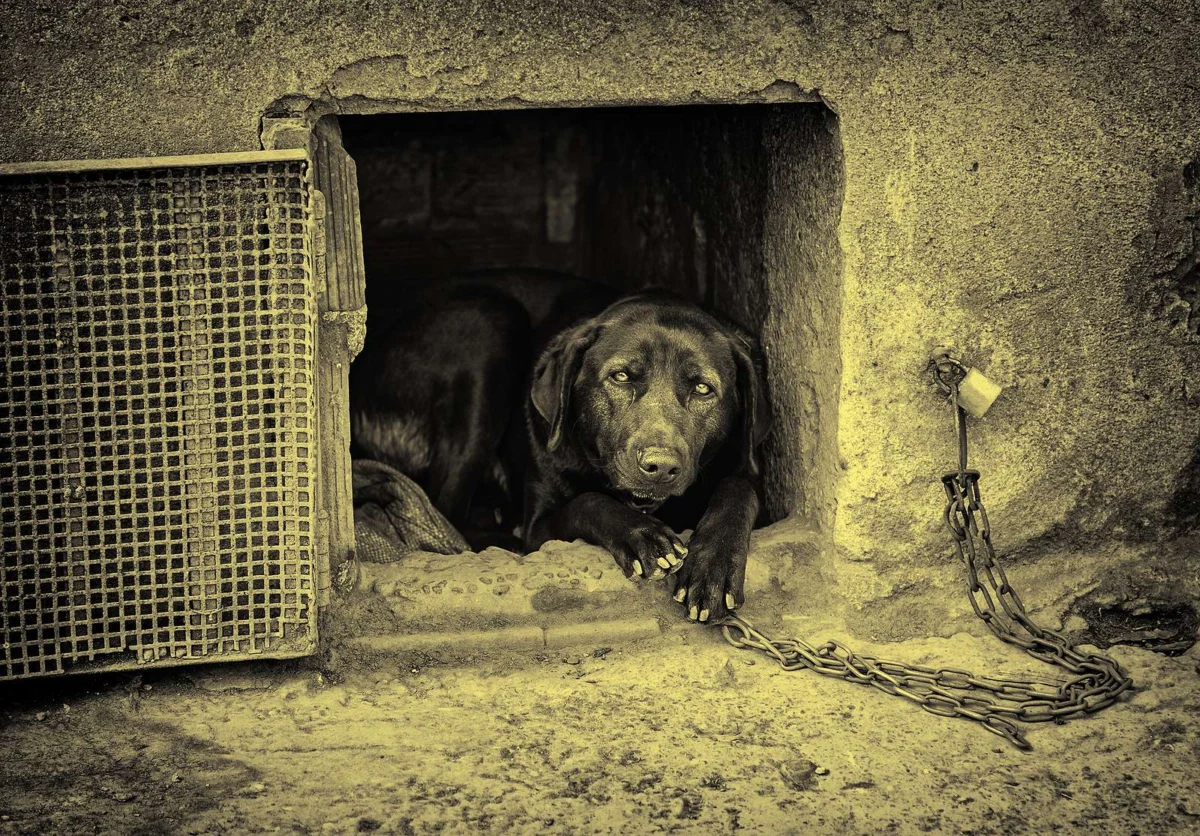
In a landmark victory for animal welfare, the recent liberation of 1,500 beagles from the notorious Ridglan "Farms" facility has sent shockwaves through the veterinary and advocacy communities. For over a decade, this facility—a massive, multi-million dollar enterprise dedicated to breeding dogs for laboratory research—was the subject of persistent allegations regarding substandard conditions and egregious abuse. Now, as these dogs transition from sterile, wire-floored crates to the warmth of foster and forever homes, experts are forced to confront a profound question: Can a dog raised in "canine hell" ever truly heal, and what does it take to guide a traumatized animal toward a "normal" life?
The Anatomy of the Crisis: A Chronology of Abuse
The saga of the Ridglan beagles is a testament to the power of persistent advocacy. For years, former employees of the facility provided harrowing accounts of dogs living in solitary confinement within cramped wire cages, devoid of soft bedding, enrichment, or human companionship.

The turning point arrived when the facility was hit with 311 counts of animal cruelty. Prosecutors highlighted evidence of surgical procedures, including eye surgeries, performed without anesthesia, veterinary supervision, or sterile protocols. Faced with mounting legal pressure, the facility’s ownership entered into a deal with a special prosecutor, agreeing to relinquish their seller’s license by July 1, 2026, effectively ceasing operations to avoid further prosecution.
The liberation efforts were spearheaded by dedicated organizations, most notably Dane4Dogs. Rebekah Robinson, the driving force behind the group, spent ten years meticulously gathering evidence and navigating the legal system to secure the dogs’ release. Renowned animal behaviorist Dr. Patricia McConnell, who served as an expert witness in the case, provided depositions detailing the psychological damage inflicted upon the animals. Having personally visited the facility years prior, Dr. McConnell described an environment where dogs existed solely as commodities, their basic biological and psychological needs ignored in the name of cost-cutting.

Neurobiology and the Myth of the "Broken" Dog
The central concern for those involved in the rescue is the neurological state of these dogs. Can a brain developed in an impoverished environment ever recover?
According to developmental neurobiology, the answer is nuanced. Brains are not fully formed at birth; rather, they are complex "software programs" shaped by early experiences. In well-adjusted puppies, socialization—exposure to new sights, sounds, and positive human interactions—facilitates the healthy development of brain structures like the amygdala, which is critical for regulating fear and stress.

Dogs raised in the wire-cage environments of a laboratory breeding facility are essentially deprived of this vital developmental input. Their brains are not inherently resilient. However, there is hope. Beagles were specifically selected for laboratory research not only for their size but for their famously docile and stable temperaments. This genetic predisposition toward stability is a "biological miracle" that provides a foundational starting point for rehabilitation. While they may not emerge from their transport crates with wagging tails—often exhibiting signs of severe shut-down or profound fear—most are capable of significant emotional growth.
The Roadmap to Rehabilitation: Lessons from the ASPCA
Organizations like the ASPCA, through their Behavioral Rehabilitation Center, have spent years perfecting protocols for dogs emerging from high-trauma environments. The data suggests that rehabilitation is not a one-size-fits-all process, but a strategic, patient-led journey.

Key Pillars of Recovery:
- Patience as a Foundation: The first 72 hours are critical. Many dogs arrive in a state of sensory overload, unable to process the transition from a silent, sterile environment to the chaotic stimuli of a home. Providing a quiet, "safe house" space—a crate covered by a blanket, for example—is essential.
- The Role of Other Dogs: Perhaps the most important factor in a dog’s recovery is the presence of a stable, confident canine mentor. Dogs are social creatures who learn through observation; a resident dog can demonstrate that doorways are not threats and that human touch is not a precursor to pain.
- Positive Reinforcement: Rehabilitation is not about dominance; it is about building agency. Using positive reinforcement, owners must carefully observe body language to determine what the dog finds comforting. For some, enthusiastic praise is a reward; for others, it is perceived as an overwhelming threat. Long, slow strokes and gentle interaction are preferred over vigorous petting.
- The Necessity of Routine: For a dog that has lived in a world where the future is unpredictable, a rigid, predictable routine is a therapeutic tool. It helps restore a sense of control and safety, mitigating the trauma-induced hyper-vigilance that often accompanies abuse.
Official Responses and the Logistics of Liberation
The logistical challenge of rehoming 1,500 dogs is unprecedented. The effort is being coordinated by a coalition of national and regional organizations:
- Dane County Humane Society (DCHS): Currently triaging 500 beagles.
- Wisconsin Federated Humane Societies: Providing critical overflow support.
- Beagle Freedom Project: Assuming responsibility for 200 dogs.
- Big Dog Ranch Rescue (Florida): Leading the charge for 1,000 dogs alongside national partners.
Financial support for these organizations is vital. Beyond the immediate needs of food and veterinary care, these groups are funding the long-term behavioral support required to ensure these dogs can successfully integrate into families.

Implications: A Call for National Reform
The liberation of the Ridglan beagles is a victory, but it is only the beginning. The existence of such facilities raises urgent questions about the ethics of animal research and the adequacy of the Animal Welfare Act. Critics argue that current laws are insufficient, prioritizing the "science" of the industry over the basic welfare of sentient beings.
"When you know better, you do better," as the saying goes. The national conversation has shifted from asking if these dogs can be saved to demanding how we can prevent such institutions from existing in the future. Experts are calling for a complete overhaul of the regulations governing laboratory breeding, arguing that the current status quo is not only ethically indefensible but scientifically flawed.

A Moment of Reflection
While the tragedy of the Ridglan beagles serves as a sobering reminder of the depths of human indifference, it also highlights the resilience of the canine spirit. As these dogs learn to walk on grass for the first time, to feel the warmth of the sun, and to trust a human hand, they serve as a living symbol of hope.
For those who have opened their homes to these survivors, the journey is one of profound reward. It is a commitment to seeing the world through the eyes of an animal that has known only the dark, and guiding them into the light. The arc of the moral universe may be long, but in the case of the Ridglan beagles, it has finally bent toward justice. As these 1,500 dogs find their way into homes across the country, they do more than just find families; they demand that we, as a society, re-evaluate our relationship with the animals who have served us for so long, and commit to a future where such systemic abuse is a relic of the past.