
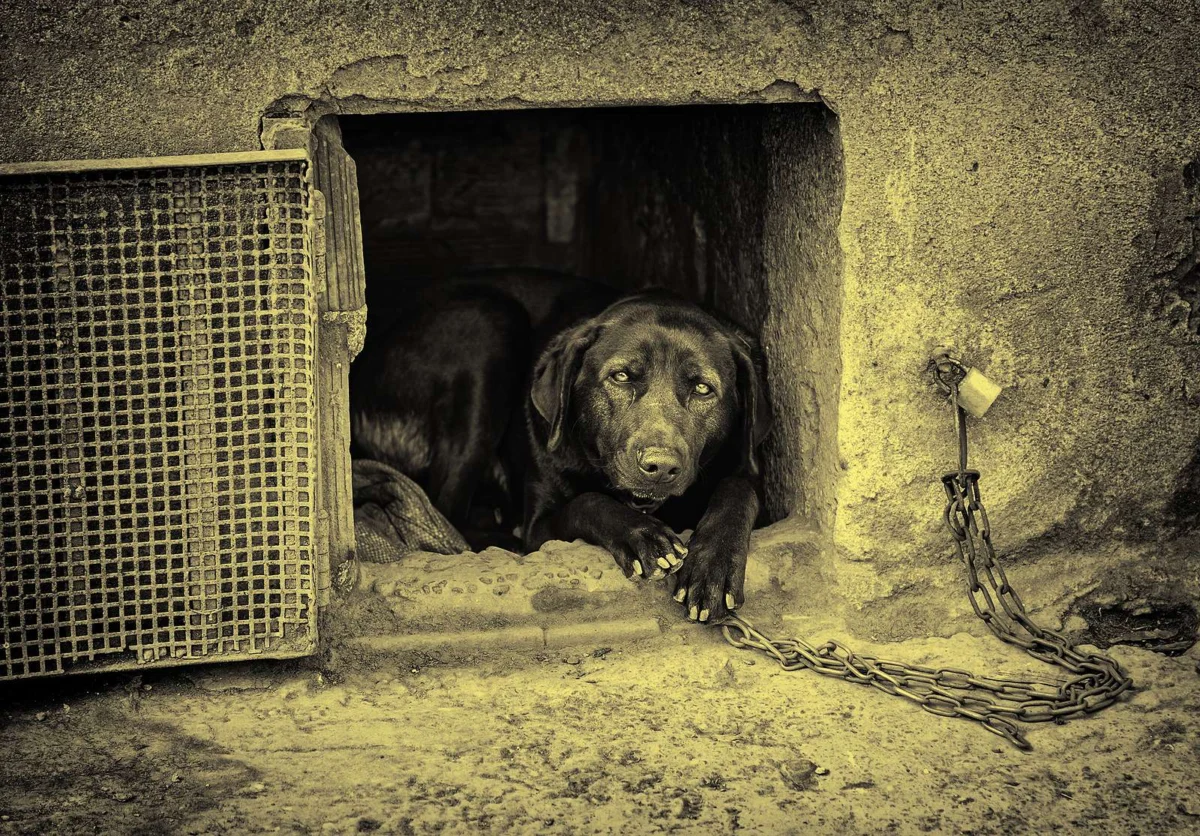
The recent release of 1,500 beagles from the Ridglan “Farms” facility has sent shockwaves through the animal welfare community, marking a monumental shift in the battle against unethical breeding and laboratory research practices. For decades, the facility operated under a cloud of controversy, with former employees and activists documenting conditions that many experts have described as “canine hell.” Today, as these dogs begin their journey into the homes of foster families and adoptive owners, the focus has shifted from liberation to rehabilitation: Can a dog raised in total sensory deprivation ever truly lead a “normal” life?
The Anatomy of a Scandal: The Ridglan Crisis
For over ten years, the Ridglan breeding facility in Wisconsin was the subject of persistent allegations regarding substandard care and outright animal cruelty. The facility, which functioned as a primary supplier for research laboratories, was long criticized for keeping dogs in cramped, wire-bottomed cages with minimal human interaction and no environmental enrichment.
The tipping point arrived recently when the facility faced 311 counts of animal cruelty. Evidence presented included reports of eye surgeries performed without anesthesia, lack of veterinary oversight, and sterile, inhumane living conditions. Following intensive legal pressure, which included the appointment of a special prosecutor and the tireless advocacy of organizations like Dane4Dogs, a settlement was reached. Ridglan agreed to relinquish its seller’s license by July 1st, effectively ending its role in the commercial supply chain for research dogs.

The Neurobiology of Trauma
The transition from a laboratory cage to a domestic household is not merely a change of scenery; it is a profound neurological challenge. According to experts in canine behavior, the brains of dogs raised in impoverished environments lack the “resilience” typically built through early socialization.
The Science of Plasticity
Early development is a critical window for neurological growth. Programs like Puppy Culture emphasize the importance of exposing young dogs to diverse sights, sounds, and textures. This exposure helps the amygdala—the brain’s fear center—develop the capacity to manage stress. In contrast, beagles raised in isolated, wire-caged environments are denied these neural connections.
As noted in For the Love of a Dog, brains are akin to software programs that require external data to "customize" their responses to the world. Without this input, the neural pathways that generate positive emotions and regulate fear remain underdeveloped, leaving the dog in a state of perpetual, high-alert anxiety.

Rehabilitation: A Path Toward Recovery
While the prospect of rehabilitating 1,500 traumatized animals is daunting, current research—much of it pioneered by the ASPCA’s Behavioral Rehabilitation Center—offers a roadmap for success. The recovery process is not instantaneous, but it is achievable.
Essential Pillars of Healing
For those opening their homes to a former lab dog, behavioral experts suggest four core strategies:
- Time and Patience: Most rescued beagles arrive in a state of sensory overload. In the first 72 hours, it is essential to provide a "decompression" period. This means quiet, controlled environments, minimal visitors, and limited expectations.
- The "Safe House" Concept: Establishing a secure, designated space—such as a blanket-covered crate—allows the dog to regain a sense of agency. This is their sanctuary where they can retreat when the world becomes too overwhelming.
- The Role of a Mentor Dog: Perhaps the most critical factor in a successful transition is the presence of another, well-adjusted dog. Mentor dogs act as living models for behavior, showing the rescue that it is safe to walk through a doorway, eat from a bowl, or trust a human.
- Routine and Structure: Trauma creates a world where the future is unpredictable. By maintaining a strict, consistent routine, owners provide the predictability these dogs need to regulate their internal state and begin to trust their environment.
The Human Element: Advocacy and Action
The successful liberation of these beagles was not an accident; it was the result of a long, sustained campaign by animal rights activists. Figures like Rebekah Robinson of Dane4Dogs were instrumental in bridging the gap between anecdotal complaints and actionable legal evidence.

The logistics of placing 1,500 dogs are staggering. The Dane County Humane Society has taken the lead on triaging 500 of the beagles, with other major partners—including the Beagle Freedom Project, the Wisconsin Humane Society, and Big Dog Ranch Rescue in Florida—assuming responsibility for the remaining population. This massive, collaborative effort underscores a growing public intolerance for the use of animals in research environments that fail to meet even the most basic standards of welfare.
Implications for the Future
The Ridglan case serves as a microcosm of a broader, systemic issue. While the immediate focus is on the welfare of the 1,500 survivors, the long-term implication is a necessary national conversation regarding the Animal Welfare Act and the ethics of laboratory breeding.
As activist Wayne Hsiung and others have demonstrated through "open rescue" initiatives, public transparency is the enemy of systemic abuse. If these dogs are to be saved, the legal framework governing research facilities must evolve to ensure that "legal" does not equate to "humane."

A Moment of Reflection
Amidst the intensity of the rescue, it is vital to acknowledge the resilience of the species. Even those dogs who arrive "shut down"—huddled in the back of a crate, terrified of human contact—often harbor an inherent capacity for recovery. As behavioral specialists have observed, there is no direct correlation between a dog’s initial fear response and their long-term ability to thrive. Many of the most traumatized dogs end up becoming the most affectionate companions, proving that while the past cannot be changed, the future can be rewritten.
Moving Forward: Lessons from the Field
For the author, the recent immersion in the Ridglan crisis provided a somber but necessary contrast to the joys of working with her own dog, Skip. Watching a Border Collie navigate the complexities of herding livestock serves as a reminder of the dog’s cognitive intelligence and potential. When a dog like Skip encounters a challenge—such as a mock charge from an unruly ewe—his ability to remain calm and focused is a testament to the power of a healthy, secure upbringing.
This contrast between the "hard-wired" intelligence of a working dog and the "broken" spirit of a caged beagle is exactly what fuels the demand for reform. We owe it to the thousands of dogs who have passed through, or are currently trapped in, such facilities to push for a standard that recognizes their sentience.

Conclusion: The Arc of Justice
As the remaining beagles are placed into loving homes, the success of this operation should be celebrated as a victory for animal rights. However, it must also serve as a call to action. The journey of these 1,500 dogs is far from over; they require ongoing support, resources, and the grace of patient, loving adopters.
"The arc of the moral universe is long, but it bends toward justice," Dr. Martin Luther King Jr. famously noted. For the beagles of Ridglan, the arc has finally begun to bend. By prioritizing positive reinforcement, respecting the individual needs of the animal, and continuing to advocate for legislative change, we can ensure that their final chapter is defined not by the darkness of the laboratory, but by the warmth of a family home.
The task ahead is significant, but the reward—a happy, tail-wagging beagle discovering the joy of a backyard for the first time—is, in the words of those who have seen it, a "biological miracle."