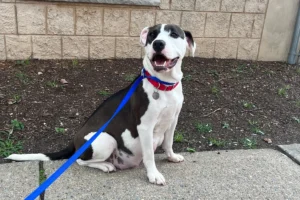

The intersection of animal welfare advocacy and contractual law often creates complex scenarios for pet owners. A recent inquiry from an Illinois resident regarding their dog, Wrigley, highlights a growing friction between animal shelters enforcing sterilization mandates and owners navigating the nuanced medical realities of their pets. As shelters become increasingly proactive in tracking "intact" animals post-adoption, owners find themselves caught between legal threats and their veterinarians’ medical advice.
Main Facts: The Case of Wrigley
In November 2025, a family adopted a puppy, Wrigley, from a local animal welfare organization. At the time of the adoption, the puppy remained unneutered due to a physiological condition: his testicles had not yet descended. The transition from shelter to home, however, was quickly overshadowed by a series of chronic health complications that required intensive veterinary intervention.
Because of Wrigley’s fragile health status, his owners prioritized his immediate survival and stability over elective surgical procedures. Throughout this period, the shelter reached out multiple times to inquire about the status of the dog’s neutering. The owners maintained communication, explaining that Wrigley’s health was too precarious for anesthesia and surgery.
The situation escalated when the shelter issued an ultimatum: either the procedure is completed immediately, or the organization will escalate the matter to their legal counsel. The owners contend that their initial adoption contract contains no specific clauses mandating the neutering process, setting the stage for a potential legal confrontation over the limits of shelter authority.
Chronology of the Dispute
The timeline of this dispute serves as a roadmap for how communication breakdowns often occur in animal rescue:
- November 7, 2025: The adoption is finalized. Wrigley is released in an unneutered state due to the physical inability to perform the surgery at the time.
- Late 2025 – Early 2026: Wrigley suffers from a cascade of health issues. The owners claim they kept the shelter apprised of the dog’s condition, viewing these updates as sufficient justification for delaying the elective procedure.
- Mid-2026: The shelter shifts from informal follow-ups to formal demands. The organization, likely driven by internal mandates to ensure 100% spay/neuter compliance for their records, threatens legal action.
- Present Day: The owners find themselves in a stalemate, questioning the enforceability of a contract that they claim is silent on the matter of sterilization, while the shelter asserts its right to hold the adopters accountable to state-mandated animal welfare goals.
The Legal Framework: Illinois Statute and Shelter Obligations
To understand the shelter’s position, one must look at the Illinois Animal Control Act. The state has stringent requirements regarding the adoption of animals from shelters and 501(c)(3) non-profit humane organizations.
Under Illinois law, a facility is generally prohibited from releasing a dog or cat unless it has been sterilized and microchipped. However, the law provides a narrow "medical exception" clause. Facilities may release an animal if the adopter executes a written agreement to perform the surgery within 14 days after a licensed veterinarian certifies the animal is healthy enough for the procedure.
The crux of the current dispute lies in the documentation. The law mandates that the shelter should have obtained a signed, written agreement at the time of adoption. If the shelter failed to secure this document, their legal standing to compel the owner to neuter the dog years later becomes significantly more precarious. However, the absence of a signed agreement does not automatically clear the owner of potential liability; courts often look at "implied consent" and the general public policy goals of the state when interpreting animal welfare contracts.
Supporting Data: Why Shelters Push for Sterilization
Shelters operate under the heavy burden of the "overpopulation crisis." According to data from the American Society for the Prevention of Cruelty to Animals (ASPCA), millions of animals enter shelters annually. Neutering is not merely a bureaucratic checkbox for these organizations; it is a fundamental pillar of their mission.
Health Benefits for the Animal
Beyond population control, veterinary science consistently supports the health benefits of neutering, including:
- Prevention of Testicular Cancer: Eliminating the testicles entirely removes the risk of testicular tumors.
- Prostate Health: Reducing the risk of benign prostatic hyperplasia and other infections.
- Behavioral Regulation: Mitigating risks associated with roaming, aggression, and hormone-driven stress.
Shelters often view the owner’s delay as an excuse, leading them to be overly aggressive in their follow-up tactics. For the owner, however, the "elective" nature of the surgery is secondary to the immediate, non-elective health needs of the dog.
Official Responses and Interpretations
Legal experts suggest that the shelter’s threat of legal action may be a tactical move to ensure compliance rather than a genuine intent to litigate. Lawsuits involving the ownership of a pet are notoriously difficult and expensive for non-profits.
"When a contract is silent on a specific obligation, the shelter faces a high burden of proof," says one legal observer. "If they cannot produce a signed agreement that mirrors the requirements of the Illinois Animal Control Act, they are essentially trying to enforce a policy that was not memorialized in a legally binding document."
However, if the shelter can prove that the adoption was contingent upon these terms—even if the paperwork is missing—they may argue that the owner is in breach of an "implied covenant."
The Implications: Moving Forward
For pet owners in similar situations, the implications are clear: documentation is paramount.
- Obtain Veterinary Certification: If a dog is too ill to be neutered, the owner should secure a formal letter from their veterinarian outlining the specific medical reasons why anesthesia would be dangerous. This creates a "paper shield" that can be presented to the shelter.
- Review the Adoption Packet: Owners should conduct a comprehensive audit of all paperwork signed at the time of adoption. If the sterilization mandate is truly absent, this must be communicated clearly and professionally to the shelter.
- Prioritize the Animal’s Health: The primary goal remains the well-being of the dog. Most shelters are willing to grant extensions if they are provided with legitimate medical proof. Engaging in a hostile back-and-forth often exacerbates the stress on both the owner and the animal.
- Mediation: Rather than escalating to legal counsel, owners should suggest a "status update" schedule. By agreeing to have the veterinarian reassess the dog at specific intervals, the owner demonstrates good faith, which often satisfies the shelter’s internal audit requirements.
Conclusion: A Delicate Balance
The tension between Wrigley’s owners and the shelter is a microcosm of a larger societal debate. While the legal mandate for sterilization serves a vital public interest, it cannot override the individual medical needs of a specific animal.
Ultimately, if the dog is not healthy enough for surgery, the surgery should not be performed. Both parties—the shelter and the owner—have the same goal: a long, healthy life for the pet. If the shelter shifts its posture from "litigation-focused" to "partnership-focused," it is likely that a compromise can be reached. Until then, owners must remain vigilant, document their interactions, and prioritize the expert advice of their veterinarian over the pressure of external administrative threats.
Disclaimer: This article is provided for informational purposes only and does not constitute legal advice. Animal laws vary significantly by state and municipality. Readers should consult with a qualified attorney in their local jurisdiction for guidance regarding specific contractual disputes.