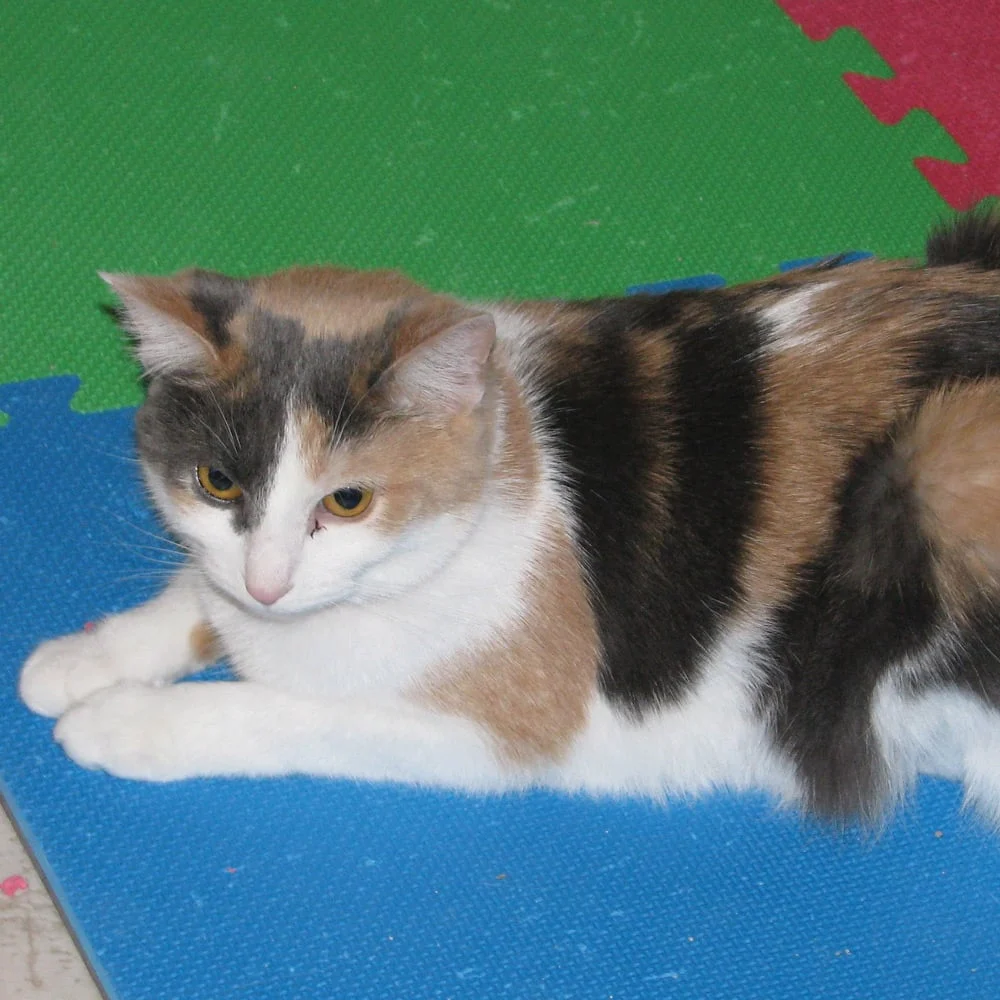
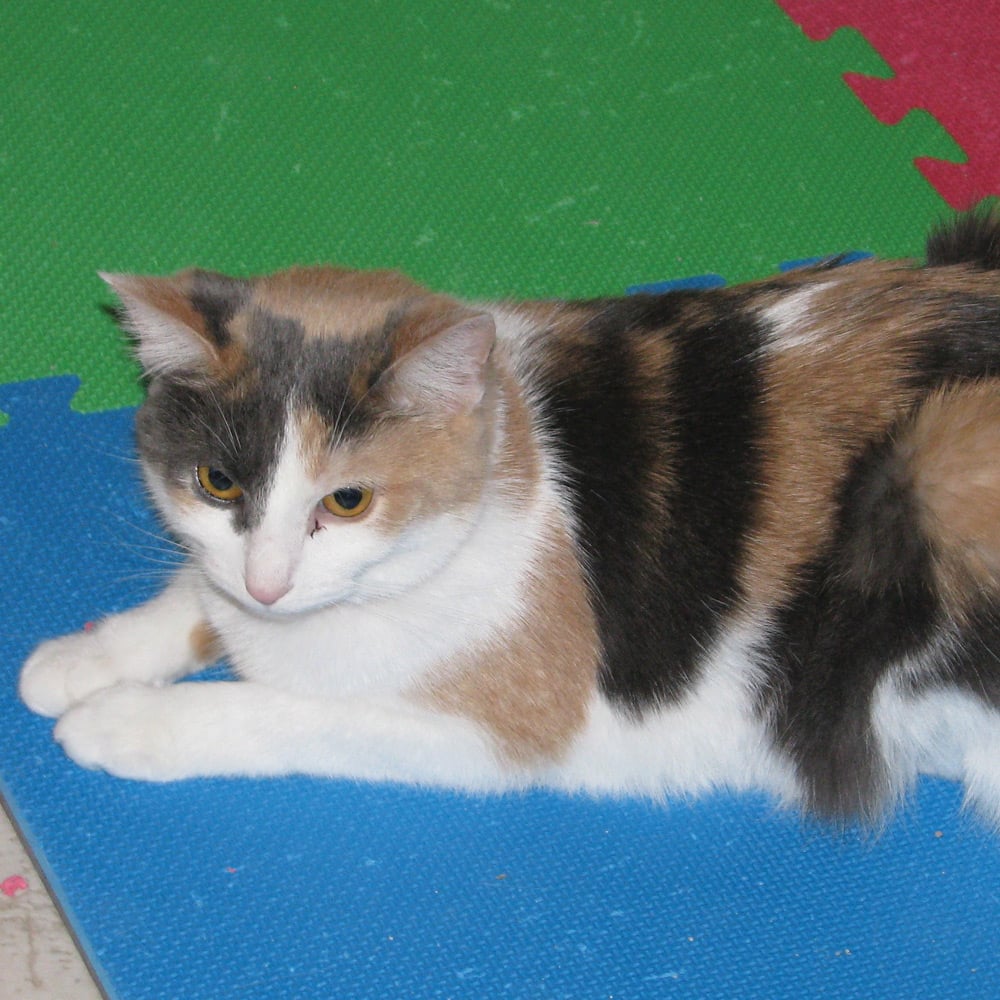
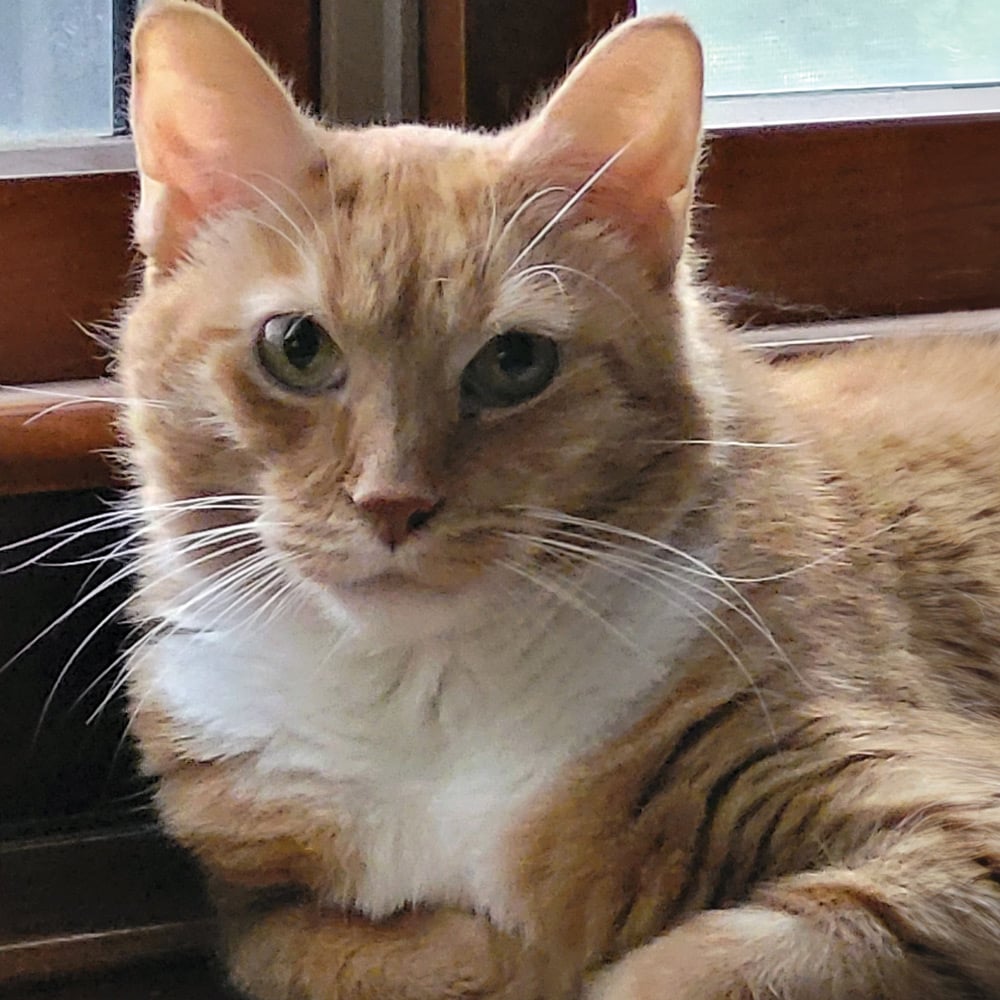
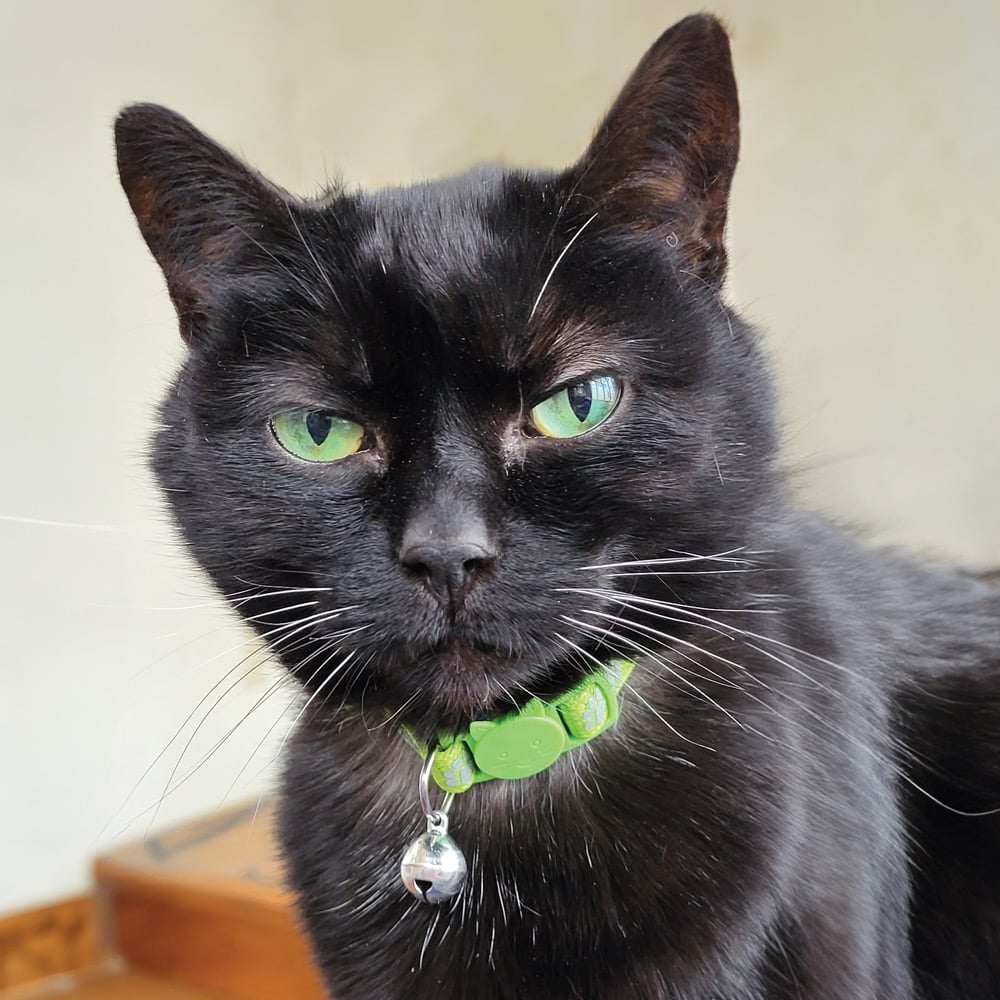
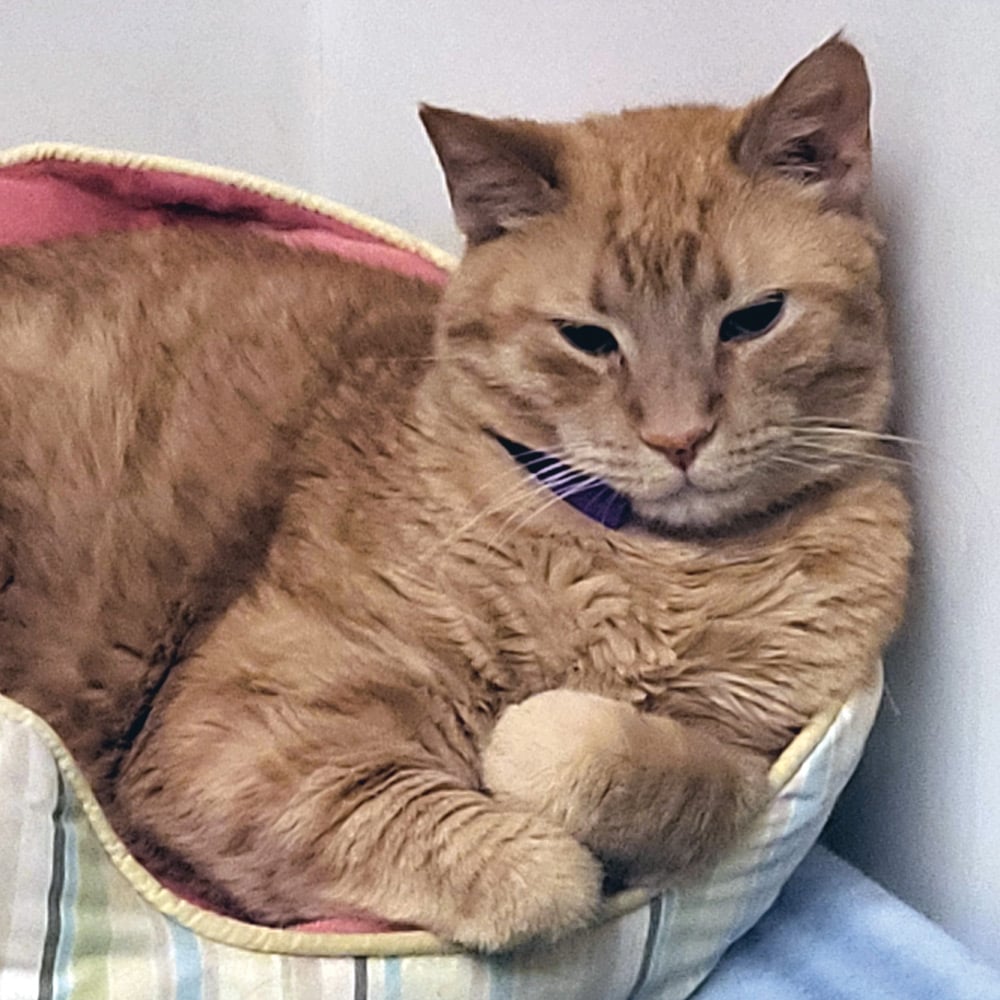
For Margaret, a dedicated animal advocate residing in Indiana, the quiet rhythm of daily life is punctuated by the soft purrs and playful antics of six distinct personalities: Mindy, Peanut, Faith, Sunshine, Midnight, and Pandora. To an outsider, they are simply a group of cats; to Margaret, they are family. When asked if she harbors a secret favorite among the six, her response is immediate and unequivocal, mirroring the protective instincts of a human parent. "Nope," she says with a smile. "They are all my favorites."
However, Margaret’s commitment to felines extends far beyond the walls of her own home. Over the decades, she has served as a sanctuary for countless cats in need, frequently opening her doors to those who struggled to find placement elsewhere. Her journey is a testament to the profound bond between humans and animals, and her recent decision to secure the future of her six companions has highlighted a critical, often overlooked aspect of pet guardianship: estate planning for our four-legged family members.
The Foundation of Compassion: A Lifelong Commitment
Margaret’s path to becoming a guardian of six began with a simple, enduring empathy for the vulnerable. Her home has long served as a revolving door for fostered animals, particularly those with complex medical needs or behavioral challenges.
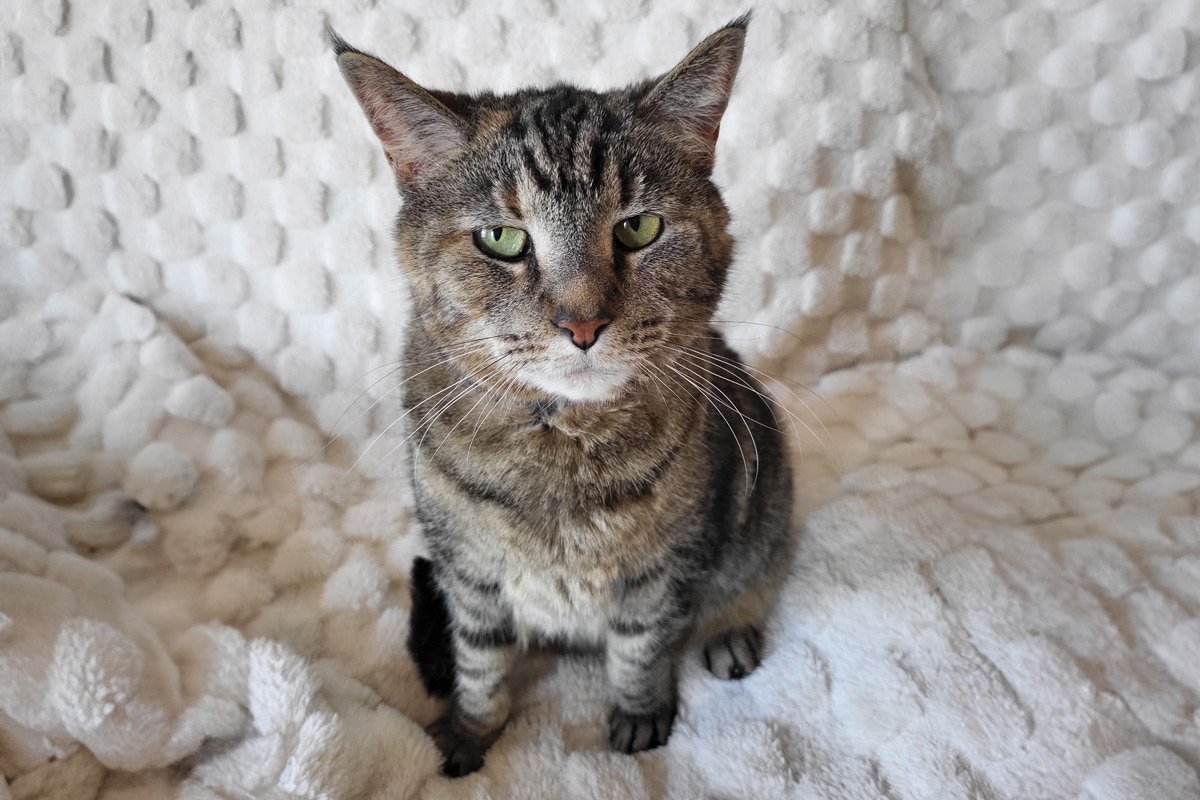
"In fact, all of the animals that I’ve had as an adult probably were due to fostering issues," she explains. Her process is one of patient rehabilitation—taking in the cats that others might overlook, nurturing them back to health, and often, realizing that they have found their permanent home in her care. It is a life defined by the quiet labor of love, where the reward is the safety and contentment of a creature that was once at risk.
The Catalyst: The Legend of Scarlett
Margaret’s connection to North Shore Animal League America—the world’s largest no-kill animal rescue and adoption organization—is not a recent development. It was forged in 1996 by a story that captivated the nation: the heroic tale of Scarlett, a stray mother cat in Brooklyn.
In a harrowing display of maternal devotion, Scarlett repeatedly braved a burning building to rescue her five kittens, one by one. Despite suffering severe burns to her face, ears, and paws, she ensured that every single one of her kittens survived. The image of a singed, brave mother cat shielding her offspring became a symbol of resilience that resonated deeply with Margaret.
"When I heard the story about Scarlett rescuing her kittens from a fire, it really just stuck in my mind," Margaret recalls. That narrative became more than just a news story; it became the benchmark for what animal welfare should look like: selfless, brave, and unwavering. When Margaret eventually began to contemplate the future and the well-being of her current feline family, her thoughts returned to the organization that had championed Scarlett’s story.
The Safe Haven Surviving Pet Care Program
As Margaret entered a new chapter of her life, she began to grapple with a question that faces every pet owner: Who will care for them if I am no longer able to? The anxiety of leaving one’s pets without a safety net is a significant source of stress for many animal guardians.
To address this, Animal League America developed the Safe Haven Surviving Pet Care Program®. This initiative is specifically designed for supporters who want the peace of mind that comes with knowing their pets will never be left to an uncertain fate.
How the Program Operates:
- Estate Integration: Participants incorporate the Safe Haven program into their estate plans, ensuring that the necessary legal and financial provisions are in place.
- National Reach: Should a participant pass away or become incapacitated, the organization coordinates the logistics of moving the pets from their current location to the state-of-the-art Port Washington, New York campus.
- Lifetime Care: Upon arrival, the animals receive comprehensive veterinary care, behavioral assessments, and a personalized plan to transition them into a new, loving home.
- No-Kill Commitment: Consistent with the organization’s founding principles, every animal admitted through the Safe Haven program is guaranteed a safe environment until they are adopted.
The Importance of Longevity and Trust
For Margaret, the decision to choose Animal League America was rooted in the organization’s history. Founded in 1944, the League has spent eight decades refining its mission. In an era where organizations can rise and fall, the stability of an institution with such a long-standing track record provided the reassurance Margaret needed.
"There are a lot of shelters," she notes, "but I wanted someplace I knew would be around in the future." Her decision highlights a critical factor in legacy planning: the sustainability of the partner organization. Margaret didn’t just want a promise; she wanted a guarantee backed by the infrastructure and history of a major, established entity.
Implications for Pet Guardianship
Margaret’s story serves as a case study for the modern pet guardian. As the pet-owning population ages, the challenge of "surviving pet care" is becoming increasingly prominent. According to the American Pet Products Association, over 85 million households in the U.S. own pets. Yet, a surprisingly small percentage of these owners have made formal arrangements for their animals in their wills or trusts.
The implications of failing to plan can be dire. Many pets whose owners pass away without a clear plan are surrendered to municipal shelters, where they face the trauma of separation and, in some cases, the threat of euthanasia. Programs like Safe Haven represent a shift in the cultural landscape, moving toward a proactive model where the emotional and physical well-being of the animal is considered an essential component of human estate planning.
Expert Perspective: The Role of Advocacy
Animal welfare experts often emphasize that the strongest protection for a pet is a legally binding directive. "The peace of mind that comes with a program like Safe Haven is incalculable," says an advocacy consultant familiar with the program. "It allows the guardian to focus on the present—the joy of daily life with their cats—without the looming shadow of ‘what if’ clouding their later years."
For Margaret, that peace of mind has allowed her to enjoy her time with Mindy, Peanut, Faith, Sunshine, Midnight, and Pandora more fully. "Of course, I’m hoping they never have to go there," she says, referring to the program’s facility. "But it’s good to know they’ll be taken care of when the time comes."
Looking Ahead: A Legacy of Security
The narrative of Margaret and her six cats is more than a story of personal affection; it is a blueprint for responsible guardianship. By bridging the gap between her personal life and a professional, established safety net, she has ensured that her legacy of compassion will outlive her.
As the population of older pet owners continues to grow, the model provided by Animal League America’s Safe Haven program will likely become a gold standard in the industry. It transforms the uncertainty of the future into a manageable, structured plan. For Margaret, the reward is simple: as she watches her six cats interact in the comfort of her home, she does so with the confidence that they are safe, protected, and loved—not just today, but for all the days to come.
In the end, Margaret’s story is a reminder that while we cannot control the passage of time, we can control how we protect those who rely on us. Through careful planning and a deep, abiding love, the promise made to a pet can be kept long after we are gone. For the six felines in Indiana, the future is as secure as the love that surrounds them.