The arrival of a new cat into your home is an event marked by excitement, curiosity, and, for many, a touch of apprehension. Often, first-time cat parents are plagued by the persistent myth that cats are solitary, aloof, and inherently untrainable creatures. However, behavioral experts argue the exact opposite: cats are highly intelligent, observant, and capable of learning complex cues when provided with the right framework.
Training a cat is not a pursuit of dominance or control; it is a profound exercise in communication. By moving away from outdated notions of "discipline" and embracing the science of feline behavior, owners can cultivate a relationship rooted in trust and mutual respect.
The Core Pillars of Feline Training
To navigate the journey of training a new companion, one must first understand that cats perceive the world through a lens of instinct and survival. When we approach training with this perspective, we unlock the potential for a harmonious household. Four fundamental principles serve as the bedrock for this success: patience, consistency, positive reinforcement, and respect for natural instincts.
1. The Virtue of Patience: Setting the Foundation
Patience is the most vital, yet often overlooked, element of the training process. Cats are sensitive creatures, highly attuned to shifts in their environment. A move to a new home involves a significant amount of stress—new smells, new routines, and new people can be overwhelming.

Attempting to fast-track training or reacting with frustration to "accidents" or misbehaviors is counterproductive. When an owner displays irritation, a cat experiences increased stress, which physiologically inhibits the learning process and severely damages the bond of trust. True progress is often incremental. By allowing the cat to dictate the pace of their adjustment, the owner builds a secure attachment that makes future training sessions significantly more effective.
2. The Power of Consistency
For a cat, the world is defined by patterns. If they are taught one set of rules by one family member but face a different set of expectations from another, the resulting confusion can lead to behavioral anxiety.
Consistency is the language of safety. When all household members are aligned on what is encouraged—and what is redirected—the cat develops the confidence to explore their boundaries. A predictable environment reduces the "guesswork" for the cat, allowing them to feel secure in their home. This consistency must extend to daily routines; cats thrive on structure, and training is most successful when it is woven into the rhythm of their day.
3. The Science of Positive Reinforcement
The most effective and humane way to modify a cat’s behavior is through positive reinforcement. This method relies on rewarding desired actions with high-value treats, engagement, or affection.

Timing is critical. A reward must be delivered immediately following the desired behavior to ensure the cat makes the neurological connection between the action and the positive outcome. If the reward is delayed, the cat may inadvertently associate it with a different, unrelated action.
Conversely, punishment—such as scolding or physical discipline—is universally condemned by animal behaviorists. Punishment does not teach a cat what to do; it only teaches them to fear the owner. It breaks the bond of trust and often leads to the cat becoming avoidant or developing stress-related behavioral issues. It is essential to recognize that cats do not "misbehave" out of spite. If a cat is scratching the sofa, it is not because they are being malicious; it is because the sofa meets a biological need to maintain their claws and mark their territory.
4. Aligning with Natural Instincts
The most successful trainers are those who act as translators for their cat’s instincts. Rather than attempting to suppress natural behaviors, effective training redirects them.
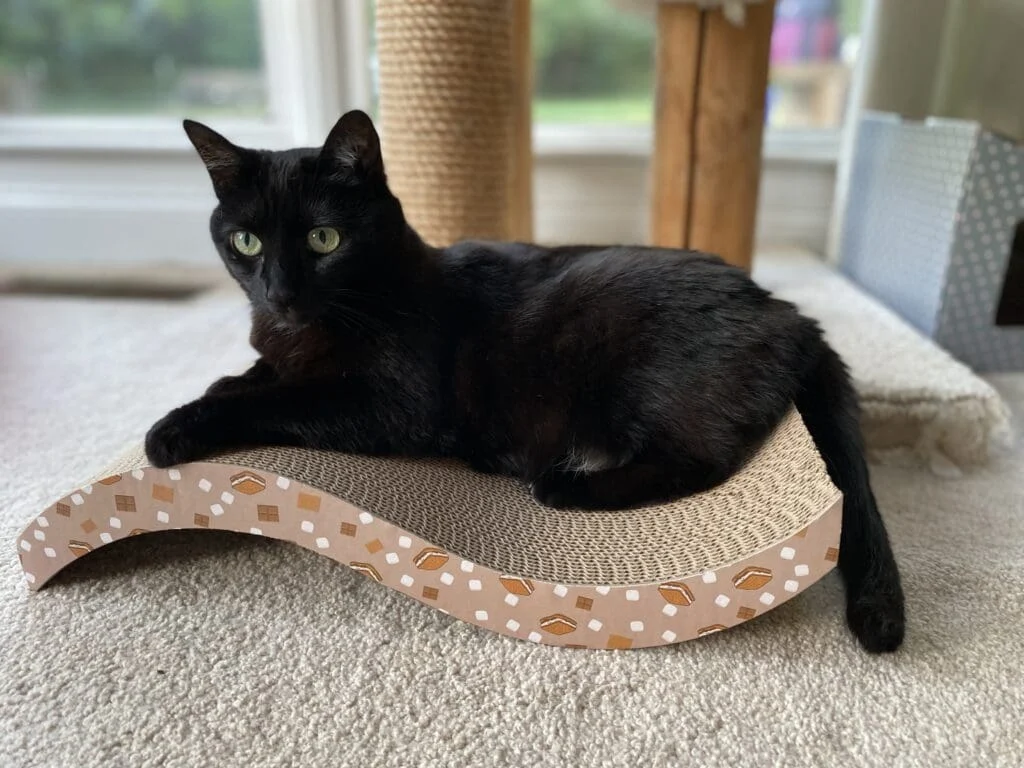
- Scratching: This is a biological necessity for claw maintenance and stress relief. Instead of punishing the cat, provide appropriate vertical and horizontal scratching posts in areas where the cat naturally likes to stretch.
- Climbing: Cats are arboreal by nature; they feel safe at high altitudes. Providing cat trees and wall shelves allows them to satisfy their need to survey their territory without interfering with human furniture.
- Voluntary Participation: Training sessions should always be short and, crucially, voluntary. Never force a cat to perform. When a cat chooses to engage in a training session, they are mentally present and far more receptive to learning.
A Chronology of Behavioral Integration
The process of integrating a new cat into your training framework usually follows a predictable timeline:

- The Decompression Phase (Days 1–14): Focus on safety and observation. Allow the cat to map their new territory. Training is minimal; the goal is to build trust through low-pressure interaction and consistent feeding times.
- The Engagement Phase (Weeks 3–6): Once the cat shows confidence in their environment, introduce simple, positive reinforcement. Use treats to lure them to specific spots or teach basic commands like "sit" or "come."
- The Maintenance Phase (Ongoing): Training becomes a lifestyle. Incorporate short, five-minute sessions into the daily routine. This keeps the cat’s mind sharp and reinforces the bond.
Supporting Data and Professional Insight
Professional animal behaviorists, such as Pam Johnson-Bennett, emphasize that the majority of "problem" behaviors are simply unmet needs. Data suggests that households that implement environmental enrichment—such as puzzle feeders, vertical space, and consistent play sessions—report significantly lower rates of destructive behavior.
When a cat is provided with an appropriate outlet for their energy, the need for the owner to "correct" them diminishes. This is the hallmark of a successful, well-trained feline: a cat that is allowed to be a cat, within parameters that keep both the pet and the owner happy.
Official Responses and Expert Consensus
Leading organizations in feline welfare have moved away from outdated training models. The consensus among modern behaviorists is that the "dominant owner" approach is fundamentally flawed. Cats do not operate in a hierarchical pack structure like dogs; they are independent hunters who form social bonds based on mutual benefit.
"The goal is not to have a robot that obeys every command," note experts. "The goal is to foster a communication loop where the cat understands that cooperating with the human leads to good things—food, safety, and play."

The Implications of a Training-First Household
The implications of embracing positive training are profound. A well-trained cat is less likely to be surrendered to shelters, as many rehoming cases are the result of misunderstood behavioral issues that could have been managed with the right techniques.
Furthermore, the psychological impact on the owner is equally significant. When a person learns to read their cat’s body language and understand the "why" behind their actions, the relationship evolves from ownership to partnership. This, in turn, creates a stable, loving environment that supports the longevity and health of the animal.
Conclusion: A Lifelong Commitment
Training your cat is an act of love. It is a commitment to understanding their needs, respecting their nature, and providing them with the guidance they need to navigate the human world. By focusing on the principles of patience, consistency, and positive reinforcement, you are not just teaching a cat to follow rules—you are building a language of trust that will last a lifetime.
For those looking to dive deeper into the nuances of feline psychology and specific training techniques, resources such as the works of Pam Johnson-Bennett offer comprehensive, step-by-step guides. Whether you are dealing with litter box issues, socialization, or simply want to teach your cat some fun tricks, remember that the most important tool you have is your own patience.
Your cat is a learner, a partner, and a complex individual. With the right approach, you will find that the training process is just as rewarding for you as it is for them.