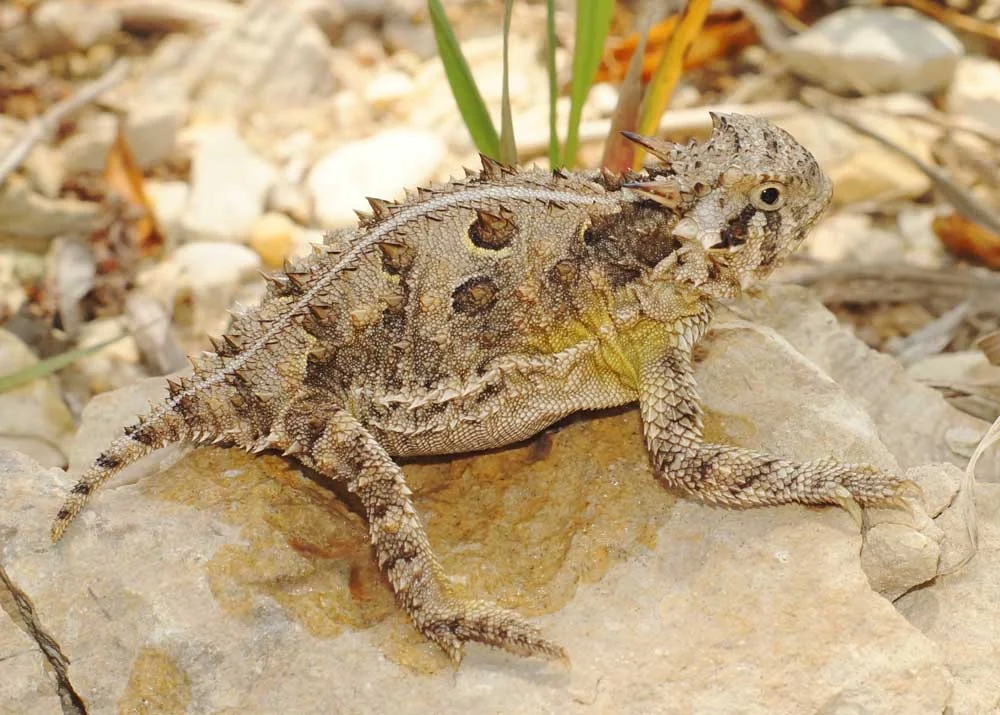
TYLER, Texas — In a major win for regional conservation, the Caldwell Zoo has announced the successful conclusion of its sixth and most productive breeding season yet for the iconic Texas horned lizard (Phrynosoma cornutum). Often affectionately referred to as "horny toads," these charismatic reptiles have seen dramatic population declines across the American Southwest over the last several decades. However, dedicated breeding and rearing initiatives are offering a renewed glimmer of hope for the species.
During the 2026 breeding season, zoo officials successfully hatched three distinct clutches, yielding an impressive total of 64 healthy hatchlings. This milestone represents a monumental step forward in zoological breeding techniques, collaborative state wildlife management, and the ultimate goal of ecological restoration.
Main Facts
The Caldwell Zoo’s latest breeding success highlights both the biological resilience of the Texas horned lizard and the fragility of its modern ecosystem.
- Record-Breaking Output: In 2026, the zoo welcomed 64 hatchlings across three separate clutches, a testament to refined husbandry protocols.
- Targeted Conservation: The initiative is conducted in direct partnership with the Texas Parks and Wildlife Department (TPWD) to combat the rapid disappearance of the species throughout its native range.
- The Ultimate Goal: Hatched lizards are reared in controlled environments until they are robust enough to be reintroduced into protected wild habitats across Texas.
- State Protection Status: Due to widespread population fragmentation and habitat loss, the Texas horned lizard is currently classified as a Threatened species within the state.
- Specialized Biology: These reptiles feature unique biological and dietary requirements—most notably an obligatory reliance on native harvester ants—which have historically made captive care and reintroduction exceptionally challenging.
Chronology of the 2026 Breeding Season
The journey from egg-laying to the emergence of 64 healthy hatchlings is a meticulous process that spans several months of planning, environmental monitoring, and dedicated daily care by the Caldwell Zoo’s herpetology team.
Preparation and Pairing (Spring)
Ahead of the breeding season, Caldwell Zoo staff constructed specialized, custom-designed habitats meticulously tailored to mimic the natural microclimates and environmental triggers required by mating pairs of Texas horned lizards. Ensuring low stress and optimal natural cues is critical for initiating successful reproduction in captivity.
Egg Laying and Incubation (Late Spring to Early Summer)
Once mating occurs, female horned lizards prepare to deposit their clutches. In the wild, females typically lay one clutch per year, consisting anywhere from 10 to 40 eggs, with an average ranging between 15 and 30.
To maximize survival rates—which face heavy natural attrition from environmental elements and predators in the wild—zoo keepers carefully collect the newly laid eggs. These eggs are immediately transferred to advanced, climate-monitored incubators. Depending entirely on ambient and controlled temperatures, the incubation period generally takes between six and eight weeks before the young lizards break through their shells.
Hatching and Early Rearing (Summer to Fall)
Upon breaking from their shells, the 64 hatchlings are moved into state-of-the-art, climate-controlled rearing facilities. During their delicate early life stages, the baby lizards are fed a specialized diet of tiny invertebrates, including fruit flies, cricket pinheads, and termite larvae, before gradually transitioning to larger prey items as they grow.
Supporting Data and Biological Profile
To fully understand the significance of the Caldwell Zoo’s achievement, one must examine the natural history and ecological pressures facing Phrynosoma cornutum.
Range and Distribution
The Texas horned lizard is the most widely distributed of the 15 recognized horned lizard species found within the United States. Historically, their geographic footprint spanned extensively across the dry, sandy soils and arid scrublands of Texas, Oklahoma, Kansas, New Mexico, and parts of northern Mexico. Today, however, they have vanished from vast portions of their traditional historic range, particularly east of Interstate 35 in Texas and throughout much of Oklahoma.
Anatomy and Behavior
Often mistaken for amphibians due to their flattened, toad-like bodies and wide heads, horned lizards are true reptiles characterized by prominent crown horns, rows of defensive fringe scales along their sides, and sophisticated camouflage capabilities. When threatened by predators such as canids, raptors, or snakes, they can inflate their bodies to appear formidable, hiss, and in some species, even squirt a targeted stream of foul-tasting blood from the corners of their eyes.
Dietary Specialization
The primary biological hurdle in both wild survival and captive husbandry is the species’ specialized diet. Texas horned lizards are specialized myrmecophages—meaning they feed almost exclusively on ants. In particular, they rely heavily on harvester ants (Pogonomyrmex species). Because harvester ants require vast, undisturbed foraging grounds and are sensitive to ecosystem changes, any disruption to the ant populations triggers an immediate cascading crisis for the lizards.
Official Responses and Conservation Perspectives
The announcement of the 64 new hatchlings has generated widespread enthusiasm among conservationists, researchers, and the public alike. Speaking in a recent video release highlighting the accomplishment, Dallas, a representative for the Caldwell Zoo, emphasized the profound importance of the ongoing initiative.
"We had three different clutches, and all together, we have 64 hatchlings," Dallas stated while showcasing the tiny, intricate lizards. "This breeding program is super special and important because Texas horned lizards are disappearing throughout the state. So, working together with Texas Parks and Wildlife, we are able to breed them and have lots of little baby hatchlings, grow them up big and strong, and then be able to release them back out onto the landscape."
The collaborative framework between accredited zoological institutions like the Caldwell Zoo and state agencies like TPWD forms the bedrock of modern herpetological conservation in North America. By pooling resources, genetic data, and field research, conservationists can establish genetically diverse insurance populations that safeguard against catastrophic declines in the wild.
Implications for the Future of Texas Ecosystems
The successful hatching of 64 Texas horned lizards at the Caldwell Zoo is much more than a localized zoo success story; it has far-reaching implications for the ecological health and biodiversity of the American Southwest.
Combating Habitat Loss and Fragmentation
The decline of the Texas horned lizard is driven by a complex matrix of anthropogenic and ecological pressures. Decades of aggressive urban expansion, the conversion of native prairie and brushland into intensive agricultural pastures, and the widespread planting of non-native grasses (such as Bermuda grass, which alters soil structure and impedes the lizards’ mobility and burrowing behaviors) have drastically shrunk available habitat.
The Invasive Fire Ant Threat
Compounding the issue of habitat destruction is the introduction and proliferation of the invasive red imported fire ant (Solenopsis invicta). Not only do invasive fire ants directly prey upon horned lizard eggs and vulnerable hatchlings, but they also systematically displace and eliminate the native harvester ants upon which adult horned lizards depend for nutrition. Without access to their primary food source, local horned lizard populations starve or abandon affected territories.
The Myth of the Backyard Pet
Historically, "horny toads" were wildly popular as casual backyard pets, particularly during the mid-20th century. Countless individuals were captured from the wild and kept in suburban terrariums, where they almost invariably perished due to inadequate housing, improper temperatures, and an inability to secure a steady, specialized supply of live harvester ants. Today, conservation educators emphasize a vital message: horned lizards do not make good pets. Removing them from the wild accelerates their decline, and keeping them in amateur settings often results in rapid mortality.
A Beacon of Hope
Despite these formidable challenges, projects like the Caldwell Zoo’s breeding program demonstrate that targeted conservation intervention can yield tangible, positive results. By perfecting captive breeding methodologies, understanding optimal incubation parameters, and establishing safe, monitored reintroduction protocols, conservationists are learning how to turn the tide for declining reptile populations.
As these 64 new hatchlings grow "big and strong" under the watchful eye of the Caldwell Zoo’s expert herpetology staff, they carry with them the future of their species. Their eventual return to the sun-baked soils of Texas will represent a vital step toward restoring the natural balance of the Lone Star State’s fragile arid ecosystems.