
The arrival of a new cat in the home is a moment of profound joy, yet for many first-time cat parents, it is also a source of trepidation. The persistent, outdated myth that cats are "untrainable" or inherently aloof has long cast a shadow over the potential for deep, communicative relationships between humans and their feline companions. In reality, cats are highly intelligent, observant, and capable of learning complex cues—provided the human at the other end of the leash (or clicker) understands the fundamental mechanics of feline psychology.
Training is not about coercion or exerting dominance; it is a collaborative process rooted in mutual trust. As we look at the modern landscape of animal behavior, it becomes clear that successful training is less about "obeying orders" and more about establishing a shared language. By moving away from archaic punitive methods and embracing science-based positive reinforcement, cat owners can unlock a new level of connection with their pets.
The Core Pillars of Feline Education
To build a harmonious household, one must view training through the lens of the cat’s perspective. Below are the foundational principles—patience, consistency, positivity, and instinctual alignment—that dictate long-term success.
1. The Virtue of Patience: Building the Foundation
Patience is the bedrock of any successful behavioral modification. Cats are sensitive to changes in their environment, routines, and the energy of the humans around them. When a cat is introduced to a new space, they are in a state of high alert. Attempting to rush the training process, or reacting with frustration when a cat fails to grasp a concept immediately, triggers a stress response.

Stress is the enemy of learning. When a cat feels anxious or pressured, their cognitive ability to process new information decreases significantly. By adopting a "slow and steady" approach, you demonstrate that the environment is safe. This stability is what allows a cat to transition from a state of survival-based caution to a state of curiosity and learning.
2. Consistency: The Language of Clarity
Cats thrive on predictability. In a domestic setting, confusion often arises when different household members enforce different rules. If one person allows the cat on the kitchen counter while another scolds them for it, the cat cannot discern what is "right."
Consistency is a form of kindness. When you provide clear, unwavering boundaries, you alleviate the cat’s need to guess what is expected of them. This applies not just to "rules," but to the timing of rewards and the structure of daily interactions. A consistent routine acts as a scaffold for the cat’s confidence, allowing them to navigate their territory with certainty.
3. Positive Reinforcement: Why Kindness Works
The most effective and humane way to train a cat is through positive reinforcement. This method relies on rewarding desirable behaviors immediately, thereby strengthening the neural pathways associated with that action. Whether the reward is a high-value treat, a burst of play with a wand toy, or affectionate praise, the timing must be precise.

It is crucial to understand that cats do not engage in "spiteful" behavior. When a cat scratches your sofa or jumps where they shouldn’t, they are fulfilling an innate need or responding to an environmental stimulus. Punishment, such as spraying with water or shouting, only teaches the cat to fear the human or to perform the behavior only when the human is not present. Professional behaviorists universally reject punishment, as it fractures the bond between owner and pet and creates a cycle of anxiety.
4. Aligning Training with Natural Instincts
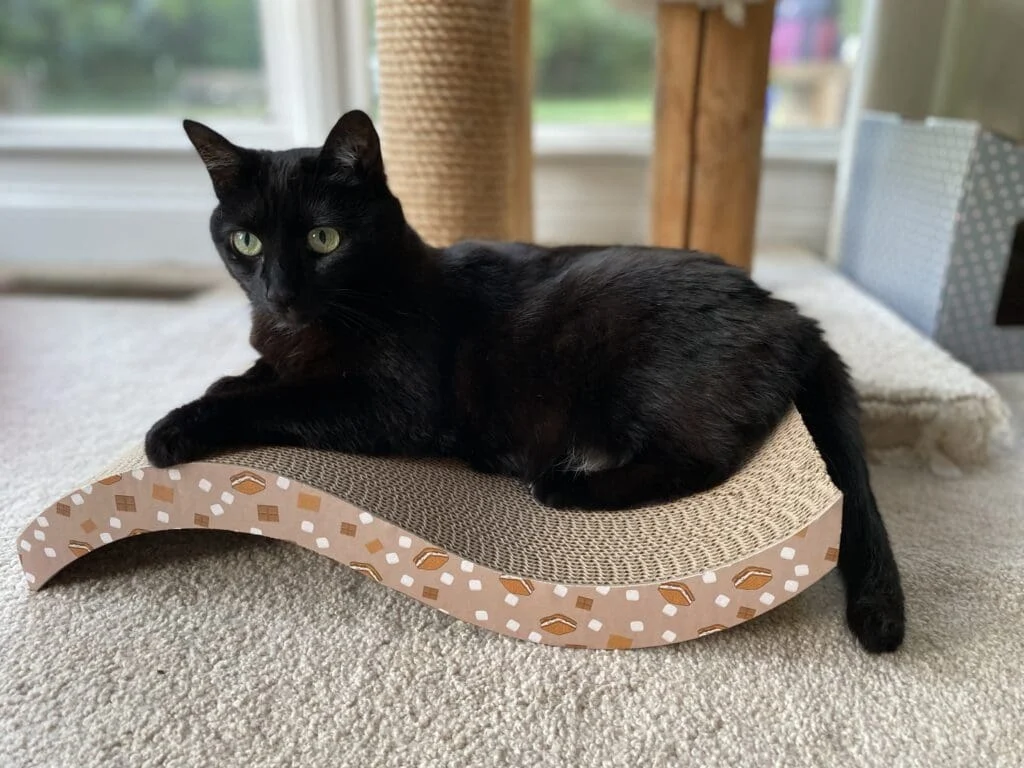
A common mistake in training is trying to "train the cat out of being a cat." Evolution has hardwired felines with specific needs: they must climb to survey their surroundings, they must scratch to maintain their claws and mark territory, and they must hunt to exercise their predatory drive.
Effective training involves redirecting these instincts rather than suppressing them. If a cat is scratching the furniture, the solution is not to punish the scratching, but to provide a more appealing, sturdy scratching post in an area the cat already frequents. By providing appropriate outlets—climbing trees, scratching posts, and puzzle feeders—you align your training goals with the cat’s biological requirements.
Chronology of a Successful Training Session
To understand how these principles function in practice, it is helpful to look at the anatomy of a productive training session:

- Preparation (The Setup): Ensure you have the cat’s favorite rewards ready. Choose a time when the cat is naturally alert but not hyper-aroused.
- The Invitation (Voluntary Participation): Never grab or force a cat to train. Let the cat choose to approach. This sense of agency is vital for reducing stress.
- The Request (The Cue): Present a simple cue—a hand signal or a verbal command—linked to a specific behavior you want to encourage.
- The Reward (The Bridge): As soon as the behavior is performed, deliver the reward instantly. This creates a bridge in the cat’s mind between the action and the positive outcome.
- The Conclusion: Keep sessions short—often no more than 3 to 5 minutes. Ending on a high note, while the cat is still engaged, ensures they will look forward to the next session.
Supporting Data and Behavioral Science
The shift toward positive reinforcement is supported by extensive research in animal cognition. Studies in feline behavior indicate that cats are highly motivated by "choice." In a 2017 study conducted by Oregon State University, researchers found that when given a choice between food, scent, toys, and social interaction, the majority of cats preferred social interaction with humans. This underscores the potential for training as a tool for social bonding.
Furthermore, behavioral experts, including renowned authority Pam Johnson-Bennett, emphasize that training is a communication system. When you use a clicker or a specific vocal marker to signal that a reward is coming, you are teaching the cat that they have the power to influence their environment. This internal locus of control is a significant contributor to the mental well-being of indoor cats.
Official Perspectives: The Role of the Expert
Industry experts argue that the human-feline relationship is undergoing a paradigm shift. For decades, the "independent" nature of the cat was used as an excuse to avoid training. However, contemporary professionals now argue that training is a prerequisite for a healthy, low-stress life.
According to Pam Johnson-Bennett, a leading figure in cat behavior, the goal of training should never be about "obedience" in the traditional canine sense. Instead, it is about "cooperation." When an owner understands the "why" behind a behavior—for example, that a cat scratches to stretch muscles and deposit pheromones—the owner becomes a facilitator rather than an adversary. This shift in perspective transforms the cat from a "difficult roommate" into a partner.

Implications for the Modern Cat Parent
The implications of adopting these training methods are far-reaching. Beyond simply having a cat that learns to sit or walk on a harness, the process fosters:
- Reduced Behavioral Issues: Many common problems—such as aggression or litter box avoidance—are rooted in stress or a lack of mental stimulation. A trained cat is a mentally stimulated cat, which significantly lowers the incidence of these issues.
- Enhanced Safety: A cat that responds to a "come" or "stay" command is safer in emergency situations.
- A Deepened Bond: The time spent in positive, focused, and rewarding interaction builds a foundation of trust that cannot be replicated through casual cohabitation.
- Enrichment: Training provides a cognitive challenge that is vital for indoor cats, preventing the boredom that often leads to destructive behaviors.
Conclusion: A Lifelong Journey
Training your new cat is a journey that lasts a lifetime. It is a process of learning to listen as much as you learn to lead. By respecting your cat’s instincts, maintaining a consistent environment, and choosing the path of positive reinforcement, you are not just "training an animal"—you are building a bridge of communication.
As you navigate this journey, remember that every cat is an individual with unique preferences and learning speeds. There is no one-size-fits-all manual, but the principles of love, patience, and mutual respect remain universal. Whether you are teaching your cat to navigate a carrier with ease or simply encouraging them to engage in constructive play, you are investing in a future of companionship that is defined by trust and clarity.
For those seeking to delve deeper into the nuances of feline communication, resources such as those provided by Pam Johnson-Bennett offer invaluable, step-by-step guidance. By continuing your education, you ensure that your home remains a sanctuary where your cat can thrive, learn, and grow alongside you for years to come.