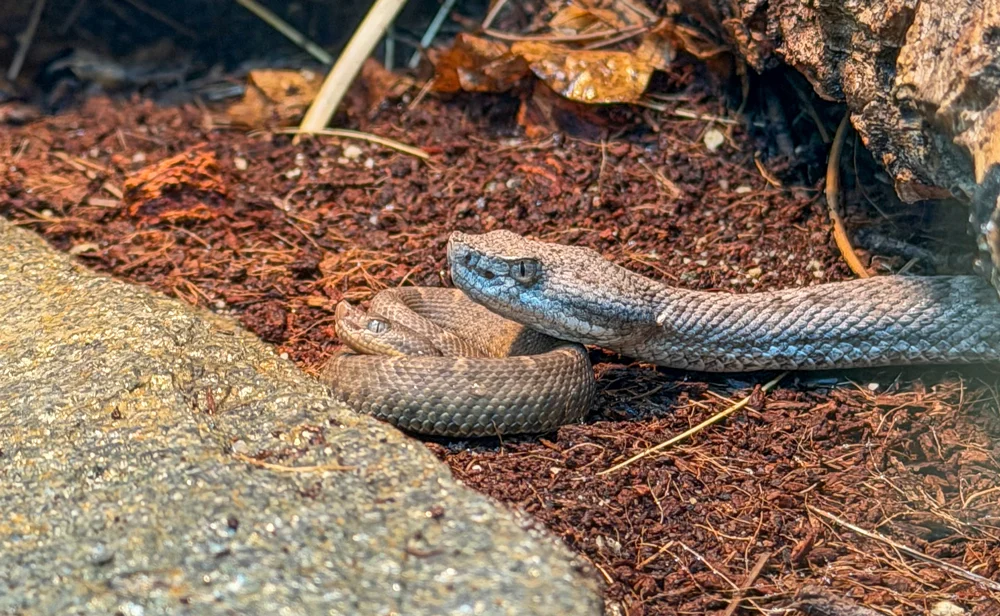
LOS ANGELES — In a major milestone for American herpetology and endangered species management, the Los Angeles Zoo has announced the successful captive breeding of the New Mexico ridge-nosed rattlesnake (Crotalus willardi obscurus). The birth of six healthy neonates across two separate litters marks the inaugural breeding success under "Project Obscurus," a newly established, multi-institutional recovery initiative dedicated to pulling this vulnerable montane pit viper back from the brink of extinction.
The achievement represents the culmination of decades of field research, specialized husbandry, and inter-agency collaboration. For a reptile so elusive that biologists have occasionally spent upwards of 800 grueling hours in the field without encountering a single specimen, the arrival of these six tiny snakes offers a tangible, glittering beacon of hope.
Main Facts: A Historic Milestone for Crotalus willardi obscurus
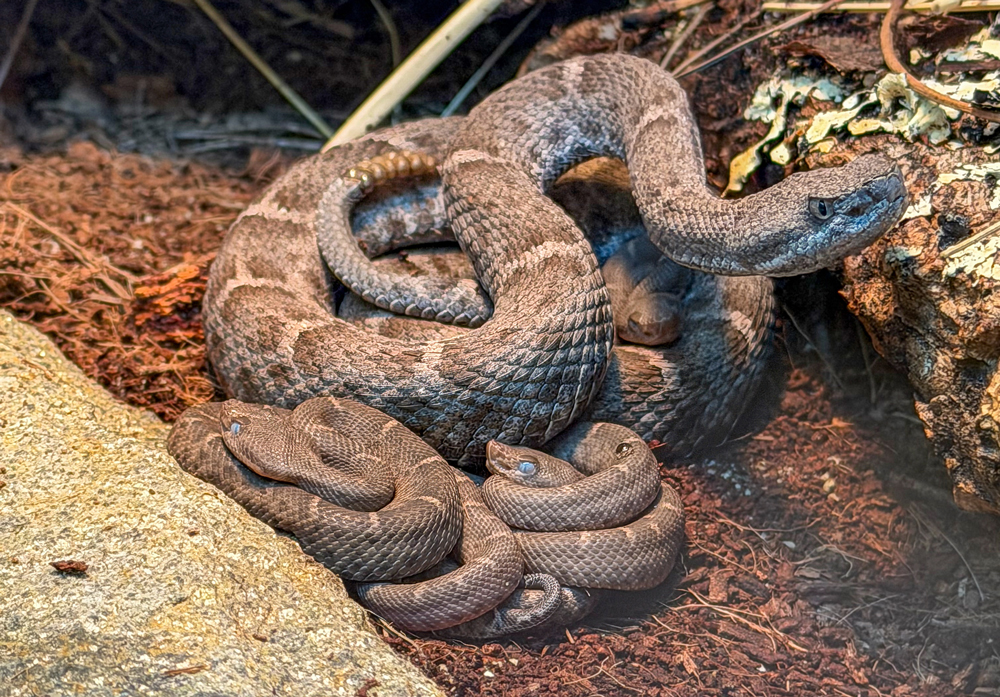
The Los Angeles Zoo’s recent breeding event yielded a litter of five neonates born on August 18, followed by a single neonate born on August 29. These six newborns, alongside any future offspring produced by the adult breeding pairs, will remain under the expert care of the zoo’s ectotherm staff. Once the young snakes mature and reach critical biological benchmarks, they are slated for reintroduction into their native wild habitats in the southwestern United States.
Project Obscurus, launched in 2024, is the organizational engine driving this success. The collaborative network builds on more than 30 years of accumulated research, conservation strategies, and habitat management. The project unites a diverse coalition of institutions, including:
- The Los Angeles Zoo
- The Rattlesnake Conservancy
- The Arizona-Sonora Desert Museum
- The San Antonio Zoo
- Independent herpetological researchers
- State and federal wildlife management agencies across New Mexico and Arizona
The New Mexico ridge-nosed rattlesnake is widely recognized as the rarest rattlesnake species in the United States. Protected as a Threatened species under the federal Endangered Species Act by the U.S. Fish and Wildlife Service (USFWS), this delicate pit viper faces mounting pressures from habitat fragmentation, climate change, illegal collection, and stochastic environmental events like catastrophic wildfires.
Chronology of Conservation: From Decades of Research to Project Obscurus
To understand the magnitude of the Los Angeles Zoo’s recent success, it is necessary to examine the timeline of conservation efforts directed at Crotalus willardi obscurus.
The Foundation Years (1990s–2023)
For over three decades, biologists, academic researchers, and state wildlife agencies in Arizona and New Mexico recognized the precipitous decline of the New Mexico ridge-nosed rattlesnake. Confined almost entirely to isolated "sky island" mountain ranges, populations were studied meticulously to understand their life histories, dietary needs, and microhabitat preferences. However, rising temperatures, prolonged regional droughts, and the shrinking availability of suitable high-altitude humid woodlands exposed the snakes to severe population bottlenecks.
Recognizing that passive protection of habitat would not be enough to reverse downward population trends, conservation leaders began laying the groundwork for an active, interventionist captive-management program.
The Launch of Project Obscurus (2024)
Formally established in 2024, Project Obscurus formalized a unified strategic vision. Rather than operating in isolated silos, leading zoological institutions and conservation NGOs pooled their resources, genetic management protocols, and veterinary expertise. The consortium was designed to establish a sustainable, genetically diverse ark population of New Mexico ridge-nosed rattlesnakes in human care, acting as an insurance policy against extinction in the wild while preparing the infrastructure for eventual reintroductions.
The Breakthrough Births (August 2025/2026)
The strategy yielded immediate dividends. On August 18, animal care specialists at the Los Angeles Zoo welcomed a robust litter of five neonates. Just ten days later, on August 28, a sixth neonate was born. These births represent the first-ever successful litters produced under the Project Obscurus umbrella, transforming theoretical conservation planning into living, breathing reality.
Supporting Data & Biological Profile: The Elusive "Sky Island" Viper
To appreciate the ecological niche occupied by Crotalus willardi obscurus, one must examine its unique biology, physical characteristics, and extraordinary geographic distribution.
Physical Description and Behavior
The New Mexico ridge-nosed rattlesnake is a small, visually striking pit viper. Typically measuring up to roughly 26 inches in total length, the snake exhibits a pale gray to gray-brown ground color punctuated by contrasting dorsal blotches. Its defining morphological feature—and the source of its common name—is an upturned, scale-reinforced snout that creates a distinct "ridge" along the upper jaw.
Despite being venomous, these snakes are remarkably shy and retiring by nature. Rather than striking aggressively when confronted, their primary defense mechanism is often cryptic camouflage or retreat into rock crevices, rodent burrows, or dense leaf litter.
Diet and Reproduction
As opportunistic carnivores, these pit vipers feed primarily on a specialized diet that includes lizards, small mammals, ground-nesting birds, and terrestrial invertebrates such as scorpions and centipedes.
Unlike many egg-laying reptile species, the New Mexico ridge-nosed rattlesnake is a livebearer (viviparous), giving birth to small litters typically ranging from one to nine young at a time. Reproductive output is naturally low, making population recovery a slow and deliberate process.
The "Sky Island" Ecosystem
Ecologically, Crotalus willardi obscurus is classified as a "sky island" species. This means its populations are restricted to isolated mountain ranges that rise dramatically out of surrounding hot, arid lowlands—ecological islands separated by inhospitable deserts.
In the United States, the snake’s range is restricted primarily to the Animas and Peloncillo Mountains of southwestern New Mexico and southeastern Arizona, with additional populations extending south into northern Mexico’s Sierra San Luis Mountains. Within these ranges, they inhabit narrow elevational bands between 5,000 and 8,000 feet (1,500 to 2,500 meters), favoring humid pine-oak woodlands, shaded canyon bottoms, and grassy montane slopes.
The extreme localization of their habitat underscores the difficulty of studying—and protecting—the species. According to data from the U.S. Fish and Wildlife Service, field researchers surveying known habitats have occasionally documented search efforts exceeding 800 cumulative hours simply to locate a single individual in the wild. This staggering statistic highlights why captive-breeding initiatives like Project Obscurus are so vital to the snake’s long-term survival.
Official Responses: Voices from the Front Lines of Conservation
The announcement of the successful births has drawn praise from conservationists, zoo directors, and wildlife officials across the American Southwest.
Byron Wusstig, Curator of Ectotherms at the Los Angeles Zoo, emphasized the technical skill required to achieve this breeding milestone:
"This incredible breeding success is a testament to our animal care team’s deep expertise in managing delicate montane pit vipers," Wusstig stated in a media release. "Being the first of the program partners to welcome these litters of New Mexico ridge-nosed rattlesnakes proves that our collaborative, science-based approach is working well. These two litters represent a tangible lifeline for a species whose numbers have drastically declined in the U.S."
Wusstig’s sentiments were echoed by representatives from partner organizations within Project Obscurus. Herpetologists note that maintaining montane species in human care requires hyper-specific environmental controls, replicating the cool, humid microclimates, seasonal temperature drops, and specialized brumation cycles that these snakes experience in high-altitude environments.
The success at the Los Angeles Zoo validates the husbandry protocols established by the zoo’s reptile department, setting a high benchmark for other participating institutions, including the Arizona-Sonora Desert Museum and the San Antonio Zoo, as they prepare their own management and breeding habitats.
Implications: The Future of Project Obscurus and Montane Conservation
The birth of these six neonates carries profound implications for the future trajectory of rattlesnake conservation in North America.
Strengthening Genetic Insurance Populations
In conservation biology, assurance colonies maintained in zoos and aquariums serve as a bulwark against extinction. By successfully breeding Crotalus willardi obscurus, the Los Angeles Zoo and its Project Obscurus partners are ensuring that a diverse genetic repository is preserved. If catastrophic events—such as severe wildfires, prolonged mega-droughts, or disease outbreaks—were to devastate remaining wild populations in the Animas or Peloncillo Mountains, captive-bred lineages would provide a viable source for genetic rescue and re-population.
Paving the Way for Reintroductions
The ultimate goal of Project Obscurus is not merely to display these rare vipers behind glass, but to return them to their ancestral homes. Zoo officials have confirmed that the six neonates born this August, along with any future offspring, will be closely monitored as they grow. When they reach predetermined biological benchmarks, they will be reintroduced into carefully selected, protected sites within their native ranges in Arizona and New Mexico.
These soft-release and repatriation programs will be conducted in close coordination with state and federal wildlife agencies, ensuring that released snakes are genetically screened, medically cleared, and monitored post-release via telemetry or marking studies.
Changing Perceptions of Venomous Reptiles
Beyond the immediate ecological benefits, Project Obscurus shines a much-needed spotlight on the plight of lesser-known, non-charismatic endangered species. While large mammals often dominate conservation headlines, reptiles—and venomous snakes in particular—frequently suffer from public misunderstanding, fear, and institutional neglect.
By framing the New Mexico ridge-nosed rattlesnake as a delicate, high-altitude component of America’s natural heritage that requires urgent protection, the Los Angeles Zoo and its partners are helping to shift public attitudes toward empathy, education, and active stewardship.
As these six young rattlesnakes grow stronger each day under the watchful eyes of dedicated keepers, they carry with them the hopes of an entire coalition of scientists, conservationists, and wildlife advocates determined to ensure that the unique ridge-nosed profile of Crotalus willardi obscurus remains a permanent fixture of the American Southwest’s sky islands for generations to come.