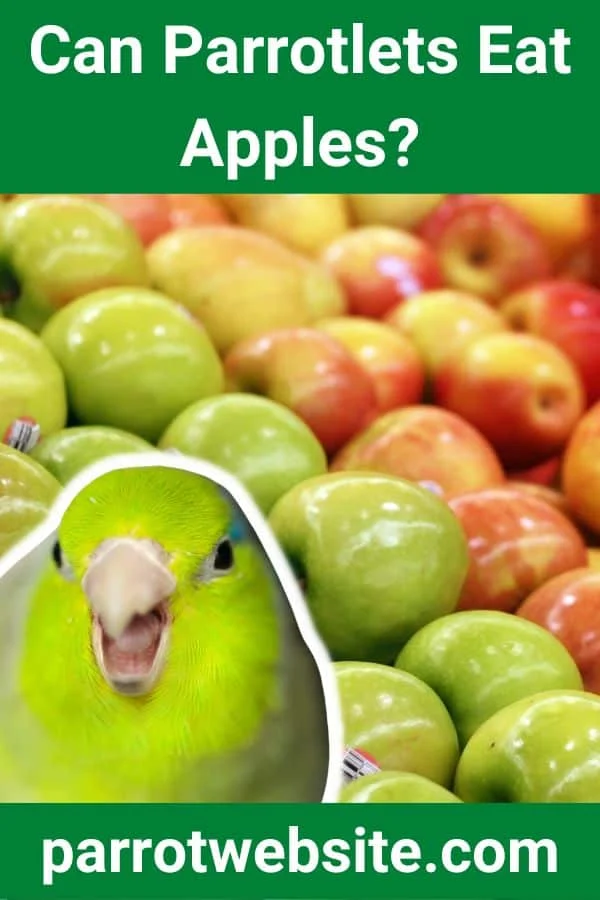
Apples are arguably the most iconic fruit in the Western world, a staple found in almost every household kitchen. Given their ubiquity, it is only natural for avian enthusiasts to wonder whether these crunchy, sweet fruits are a suitable snack for their small, energetic companions: the parrotlet. These miniature parrots, known for their bold personalities and high activity levels, have specific dietary requirements that demand careful attention from their owners.
The short answer is a resounding yes: parrotlets can safely enjoy apples as part of a balanced diet. However, like many aspects of avian nutrition, the devil is in the details. While apples offer a wealth of health benefits, they must be served with specific precautions to ensure the well-being of your pet. This article explores the nutritional profile, safety protocols, and best practices for incorporating apples into your parrotlet’s feeding regimen.
Main Facts: The Nutritional Value of Apples for Parrotlets
When served in moderation, apples serve as an excellent dietary supplement for parrotlets. Beyond the simple joy of a flavorful treat, apples provide a complex array of nutrients that support various physiological functions in birds.
Fiber and Digestive Health
Apples are an exceptional source of dietary fiber. For a parrotlet, fiber is not merely a filler; it is an essential nutrient that promotes a healthy gut microbiome and ensures the efficient movement of food through the digestive tract. A regular, moderate intake of fiber can help prevent digestive stagnation, ensuring that your bird’s gastrointestinal system functions optimally.
Antioxidants and Vitamin C
Apples are rich in vitamin C, which functions as a potent antioxidant. In the avian body, antioxidants are critical for neutralizing free radicals—unstable molecules that can cause oxidative stress and cellular damage. By incorporating apples into their diet, you are providing a defense mechanism against long-term degenerative illnesses caused by the accumulation of oxidative damage in the cells.
Essential Minerals: Copper and Potassium
Perhaps the most impressive aspect of the apple’s nutritional profile is its mineral content. Apples are a surprising source of copper, a trace mineral often lacking in standard avian seed mixes. Copper is vital for the formation of red blood cells, as well as the maintenance of healthy nerves and blood vessels. Furthermore, copper acts as a catalyst for iron absorption, allowing your parrotlet to better utilize the minerals found in their base diet.
Potassium is also present in significant quantities. This electrolyte is essential for maintaining fluid balance within the cells, ensuring that muscle contractions and nerve signaling remain efficient.
Chronology: Understanding the Role of Treats in Avian Diet
To understand why apples should be considered a "treat" rather than a "staple," one must look at the chronology of a parrotlet’s dietary needs throughout the week.
- The Base Diet: The majority of a parrotlet’s caloric intake should come from high-quality pellets, supplemented with a variety of fresh vegetables and a controlled amount of seeds.
- The "Treat" Phase: Introducing an apple slice should be viewed as an intermittent event—typically occurring once or twice a week. This allows the bird to enjoy the sensory experience of a different texture and taste without disrupting the nutritional balance of their primary diet.
- The Rotation: Following the "treat" phase, it is crucial to cycle through other fruits and vegetables. This prevents the parrotlet from becoming "bored" with its food and ensures a broader spectrum of micronutrient intake.
By adhering to this schedule, owners can avoid the pitfalls of overfeeding, which can lead to obesity and nutritional imbalances.
Supporting Data: The Risks of Over-Consumption
While apples are safe, the "moderation" rule is non-negotiable. Because parrotlets are diminutive in size, their metabolic capacity to process concentrated sugars and water is limited.
Digestive Distress
If a parrotlet consumes an excessive amount of apple, the immediate result is often gastrointestinal upset. The high water content in apples, while hydrating, can lead to loose stools or diarrhea if consumed in large quantities. Furthermore, the fiber content, which is beneficial in small amounts, can cause cramping and abdominal pain when the digestive system is overwhelmed by a large volume of fruit.
The Problem with Seeds and Cores
A critical safety fact that every owner must acknowledge is the toxicity of apple seeds. Apple seeds contain small amounts of amygdalin, a compound that releases cyanide when metabolized. While a single seed is unlikely to cause a lethal reaction, the risk is compounded if a bird develops the habit of crushing and consuming seeds regularly.
The apple core, while not as dangerous as the seeds themselves, often contains the highest concentration of these compounds. Therefore, the professional recommendation is to completely bypass the core and seeds. By slicing the apple and removing the center, you eliminate the risk entirely, providing only the safe, nutrient-dense flesh and skin.
Official Perspectives: Navigating Varieties
Owners often ask whether the color or variety of an apple impacts its safety. Generally, the botanical profile of apples is consistent across varieties, but there are nuances to consider.
Red vs. Green Apples
Both red and green apples are safe for consumption. Popular varieties like Granny Smith are excellent choices, provided they are washed thoroughly to remove any wax or pesticide residue. Some red varieties, such as Red Delicious, are known for their high sugar content; therefore, if given a choice, lower-sugar, crisper varieties are often preferred.
The "Cooking Apple" Caution
A common mistake is offering "cooking apples." These varieties are often significantly denser and more acidic than snacking apples. They are harder for a small parrotlet to digest and can lead to immediate discomfort. Always opt for fresh, firm, raw apples intended for human snacking.
Implications for Parrotlet Ownership
The decision to feed your parrotlet apples has several long-term implications for their care and health.
Mental Stimulation and Behavioral Enrichment
Do not underestimate the psychological impact of food variety. Parrots are highly intelligent creatures that experience "food boredom." Providing a variety of textures and flavors—like the crunch of an apple—is a form of environmental enrichment. It keeps the parrotlet engaged with its environment and can even serve as a tool for bonding during training sessions.
Preparation Best Practices
To maximize the benefits and minimize the risks, follow these preparation steps:
- Wash Thoroughly: Pesticides on the skin can be fatal to small birds. Organic apples are preferable, but if they are unavailable, a thorough scrub with warm water (and potentially a mild, bird-safe vinegar solution) is essential.
- Slice, Don’t Chunk: Even though a parrotlet’s beak is strong, providing a large piece of apple can lead to waste and, in some cases, choking hazards. Thin slices are easier for them to hold and consume.
- Monitor Consumption: After the first time you offer apple, observe your parrotlet’s droppings for the next 24 hours. If you notice signs of digestive distress, reduce the portion size further.
The Importance of Variety
Finally, the most significant implication of this feeding strategy is the realization that no single treat is a "superfood." The health of your parrotlet is built on the foundation of diversity. Apples provide fiber, copper, and vitamin C, but they lack the specific proteins and fats found in other food sources.
By keeping apple consumption as a controlled, occasional treat, you ensure that the parrotlet maintains an appetite for their essential, nutrient-dense pellet base. In conclusion, the apple is a wonderful tool for your bird’s health and happiness. By treating it with the caution and respect that its potency deserves—removing seeds, washing the skin, and limiting the frequency—you are providing a safe, enjoyable experience that will help your parrotlet thrive for years to come.