In an era where pet owners are increasingly discerning about the provenance and processing of their animal companions’ diets, a recent shift in manufacturing practices by a prominent player has ignited a significant controversy. Vital Essentials, a well-known manufacturer of premium pet foods, has officially transitioned to using "E-Beam Technology" to treat its products. While the company maintains that this implementation is a necessary step to eliminate harmful pathogens, the move has reopened a long-standing and contentious debate regarding the safety, nutritional integrity, and regulatory oversight of irradiated pet food.
The Technological Shift: What is E-Beam Irradiation?
According to an official FAQ page hosted by Vital Essentials, the company has integrated E-Beam (Electron Beam) technology into its production line. This process uses high-energy electricity to eliminate pathogens like Salmonella and Listeria from finished products. The company asserts that this technology is a proactive safety measure, ensuring that their products meet rigorous pathogen-free standards.
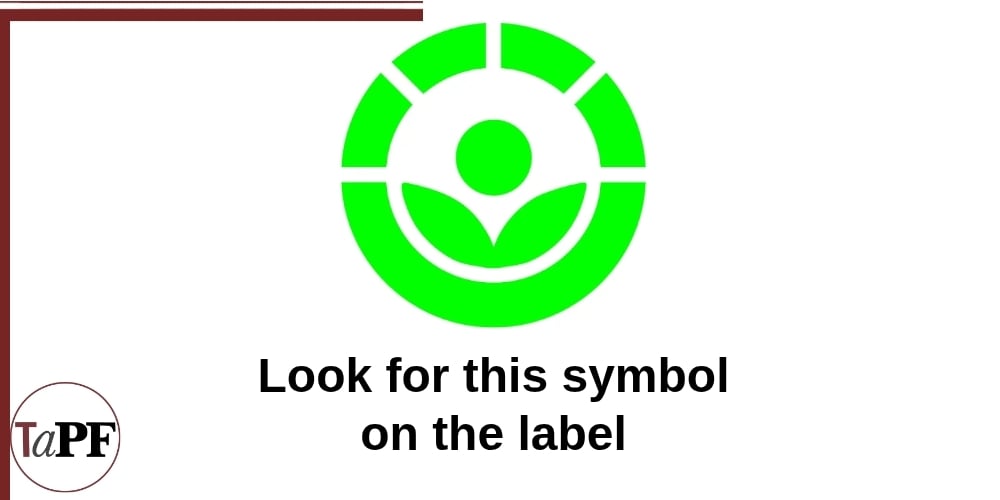
Under FDA guidelines, any food—human or animal—that has undergone irradiation must be clearly labeled with the "radura" symbol or carry a explicit statement such as "Treated with radiation" or "Treated by irradiation." This labeling requirement is intended to provide transparency, allowing consumers to make informed purchasing decisions based on their comfort level with the process.
A Historical Precedent: The 2008 Australian Crisis
For many long-term pet owners and industry analysts, the mention of irradiation triggers immediate concerns stemming from a tragic event in 2008. When the brand Orijen began exporting cat food to Australia, local quarantine regulations mandated that the product undergo gamma irradiation. Shortly thereafter, a wave of reports emerged regarding cats suffering from neurological issues, paralysis, and, in some cases, death.
The Australian Parliament conducted an extensive investigation, ultimately concluding that the irradiation treatment had likely triggered a catastrophic depletion of Vitamin A in the food, while simultaneously fostering the formation of free radicals. While the industry is quick to distinguish between the gamma irradiation used in that historical instance and the E-Beam technology utilized by Vital Essentials today, skeptics argue that the fundamental risk of altering the molecular structure of pet food remains a point of concern that requires more than just manufacturer validation.
The Regulatory Dilemma: The FDA’s "Zero Tolerance" Policy
The rise of irradiation in the pet food sector is inextricably linked to the FDA’s 2013 "zero tolerance" policy for pathogenic bacteria in pet food. By mandating that manufacturers produce products entirely free of pathogens or face the threat of a recall, the FDA effectively forced the industry to adopt "kill steps."

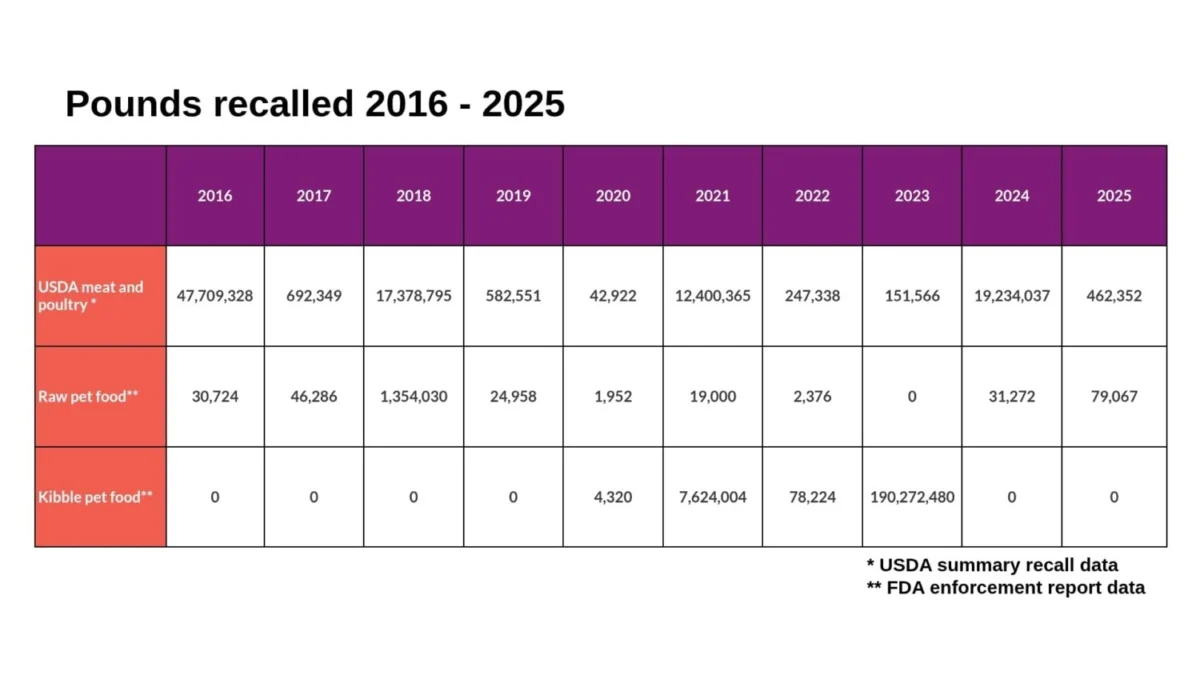
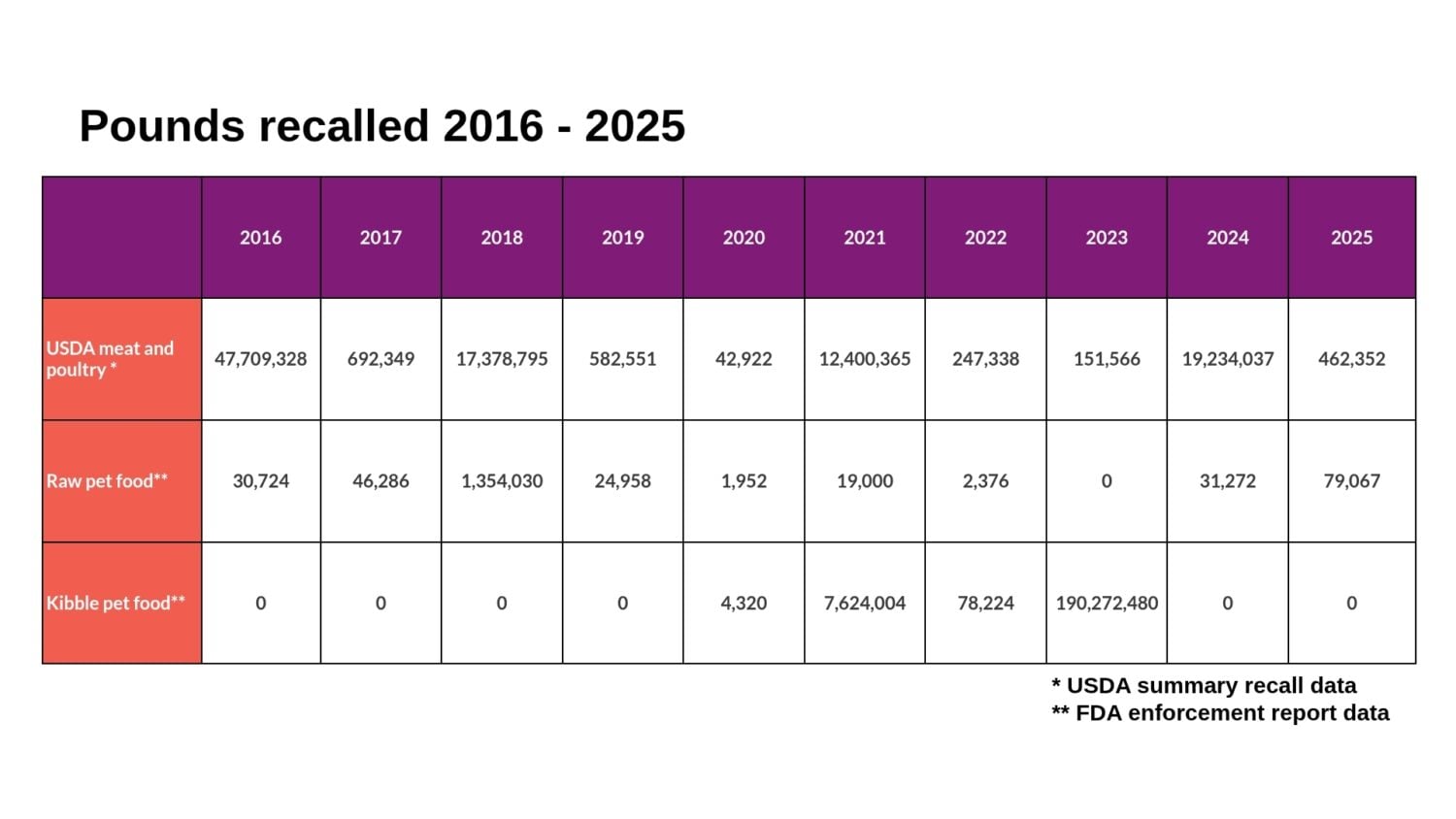
While heat-based cooking is the FDA’s preferred method, many companies dealing in raw or freeze-dried diets have turned to alternative interventions, such as High-Pressure Processing (HPP) or, increasingly, irradiation. However, data suggests that the "zero tolerance" approach has not necessarily translated into a safer marketplace. Despite a decade of stringent enforcement, millions of pounds of both raw and kibble-based pet foods have been recalled for contamination. The persistent nature of these recalls suggests that focusing on "kill steps" at the end of the production line may be a reactionary measure that fails to address the root cause of contamination.
The Endotoxin Problem: Why "Dead" Bacteria Can Still Be Dangerous
One of the most nuanced aspects of the irradiation debate is the issue of endotoxins. Even when an irradiation or heat-based process successfully kills pathogenic bacteria, the biological debris remains in the food. Gram-negative bacteria, such as Salmonella and E. coli, contain endotoxins within their cell walls. When these bacteria are destroyed, these toxins are released into the product.
Dr. Donald R. Strombeck, a Professor Emeritus at the University of California, Davis, School of Veterinary Medicine, has long argued that the presence of endotoxins poses a significant health risk to pets. According to Dr. Strombeck, these toxins are carried to the liver, where they can cause cumulative damage. This risk is exacerbated when endotoxins interact with other substances, including copper, iron, or even certain vitamins. Critics of the current regulatory focus argue that by prioritizing the eradication of live bacteria through irradiation, the FDA is ignoring the biological "fallout" of that process—the endotoxins—which may still harm the animals consuming the food.
Analyzing the Efficacy of Irradiation
The FDA has previously admitted that, during investigations into illness-linked jerky treats, there were no validated methods to determine the specific dose of radiation a product had received. This lack of oversight leads to a "cart before the horse" scenario: if regulators cannot accurately measure the intensity of the treatment, how can they guarantee that the process is consistently safe and nutritionally neutral?
Vital Essentials asserts that their internal validation shows the food maintains its "nutritional integrity" post-treatment. However, independent consumer advocates argue that manufacturers should be held to a higher standard of transparency. Specifically, they suggest that companies utilizing irradiation should provide:
- Full disclosure: Clearly identifying the type of irradiation used.
- Nutritional Transparency: Providing updated, third-party laboratory results for a full nutritional profile of the product after the irradiation process has been completed.
The Call for Systemic Reform: Controlling the Source
The core of the argument presented by critics like Susan Thixton, a consumer advocate for pet food safety, is that the current regulatory framework is fundamentally flawed. By focusing almost exclusively on "kill steps" (irradiation, heat, or HPP) to sanitize food at the end of the supply chain, the industry is neglecting the environmental and sourcing factors that introduce pathogens in the first place.

If the goal is truly to protect pets, the focus must shift to the source of the ingredients. This involves stricter oversight of slaughterhouses, processing facilities, and the handling of raw materials. Critics point to the fact that kibble, which undergoes a rigorous heat-based "kill step" during extrusion, continues to face frequent recalls. This suggests that even when a process is "validated" by the FDA, it is not a silver bullet. If a product is contaminated at the source, no amount of post-production processing can guarantee the safety of the final bowl.
Implications for the Modern Pet Owner
For the average pet owner, the transition of brands like Vital Essentials to E-Beam technology serves as a reminder of the complexity of the pet food industry. It is a sector where technology often outpaces regulation, and where the drive for safety (to prevent recalls) can inadvertently introduce new nutritional and toxicological variables.
Moving forward, the onus remains on the consumer to stay informed. When choosing a pet food, owners should consider the following steps:
- Ask the tough questions: If a brand utilizes irradiation, contact them directly to ask for their internal safety protocols and the specific impact on the nutrient density of their specific recipes.
- Demand transparency: Look for companies that provide batch-specific testing results.
- Advocate for better policy: Support organizations that are actively lobbying for more robust "source-to-bowl" safety standards, rather than relying solely on the "kill step" methodology.
Conclusion
The adoption of E-Beam irradiation by Vital Essentials is not merely a technical update; it is a manifestation of a systemic struggle within the pet food industry to reconcile safety with quality. While the technology offers a theoretical solution to the persistent issue of bacterial contamination, the ghosts of past failures—such as the 2008 Australian incident—and the unresolved science of endotoxin toxicity ensure that the debate will continue.
Until the FDA and other regulatory bodies move beyond the "zero tolerance" mandate and address the root causes of contamination at the source, pet owners will remain in a position of having to choose between the risks of raw/unprocessed food and the unknowns of irradiated, "sterile" alternatives. True safety in the pet food industry will only be achieved when transparency, high-quality sourcing, and a deeper understanding of biological processes replace the current reliance on post-production interventions.