
For decades, a pervasive myth has lingered in the pet-owning community: that cats are solitary, untrainable creatures who answer to no one. This misconception has led many first-time cat parents to feel overwhelmed or discouraged when their new feline companion doesn’t immediately conform to household expectations. However, behavior experts and feline ethologists agree that this reputation is entirely unearned. Cats are, in fact, highly intelligent, adaptive, and eager to learn—provided the human at the other end of the leash (or the clicker) understands the nuances of feline psychology.
Training a cat is not an exercise in dominance; it is a masterclass in communication. By moving away from the outdated concept of "obedience" and toward a model of collaborative cooperation, owners can unlock a deeper, more rewarding bond with their pets.
The Core Philosophy: Shifting the Paradigm
The journey to a well-behaved cat begins with a fundamental shift in mindset. When a cat engages in "unwanted" behavior, they are not acting out of malice or a desire to defy authority. Feline behavior is almost always a response to an environmental trigger or an innate instinct.

Successful training is defined by the development of a shared language. When you train your cat, you are teaching them how to navigate your world while simultaneously acknowledging their natural, instinctual needs. This process is built upon four pillars: patience, consistency, positive reinforcement, and respect for natural behavior.
1. The Virtue of Patience: Building the Foundation
Patience is not merely a suggestion in animal training; it is the structural integrity of the entire process. New cats are often navigating a sensory overload—new sights, smells, sounds, and the presence of new human family members. For a cat, the home is a territory that must be mapped and deemed safe.
The Psychology of Stress
When a cat is forced into a learning environment before they have adjusted, their cortisol levels rise. A stressed cat is a cat that cannot learn. If a trainer reacts with frustration or attempts to accelerate the process, they inadvertently communicate that they are a source of stress rather than a source of safety. By allowing the cat to dictate the pace of their integration, owners build a reservoir of trust. This trust is the currency with which all future training is bought.

2. The Power of Consistency: Creating a Predictable World
Cats are creatures of habit who find immense comfort in predictability. When training protocols are inconsistent, the cat experiences cognitive dissonance.
Harmonizing Household Rules
If one family member rewards a cat for sitting on the counter while another shoos them away, the cat receives mixed signals. This inconsistency doesn’t just hinder learning; it creates anxiety. For effective training, every member of the household must be aligned on the rules.
- Establish Clear Boundaries: Define what is allowed and what is not.
- Unified Responses: Ensure that every human in the home uses the same verbal cues and physical responses to behavior.
- Routine-Based Learning: Integrate training into the daily rhythm of the household—such as feeding times or scheduled play sessions—to make the lessons feel like a natural part of their environment.
3. The Science of Positive Reinforcement
The most humane and effective method for modifying behavior is positive reinforcement. This method relies on the "reward-association" loop. When a cat performs a desired action, they are rewarded immediately.

Timing and Reward Identification
Timing is critical. The brain creates an association between an action and a consequence only if the reinforcement occurs within a narrow window—typically a few seconds.
- Finding the "Currency": Every cat has a unique preference. Some are highly motivated by high-value food treats, while others prefer a specific type of interactive play or focused physical affection.
- The Myth of Punishment: Punishment is scientifically proven to be ineffective in feline training. It does not teach the cat what to do; it only teaches them to fear the punisher. When you punish a cat for a natural behavior—like scratching—you are punishing them for being a cat. This creates a fractured relationship and often causes the cat to engage in avoidance behaviors or redirected aggression.
4. Honoring the Feline Instinct
Perhaps the most significant error owners make is attempting to "train out" natural instincts. You cannot train a cat to stop being a cat. Instead, the goal is to redirect those instincts into acceptable outlets.
The Art of Redirection
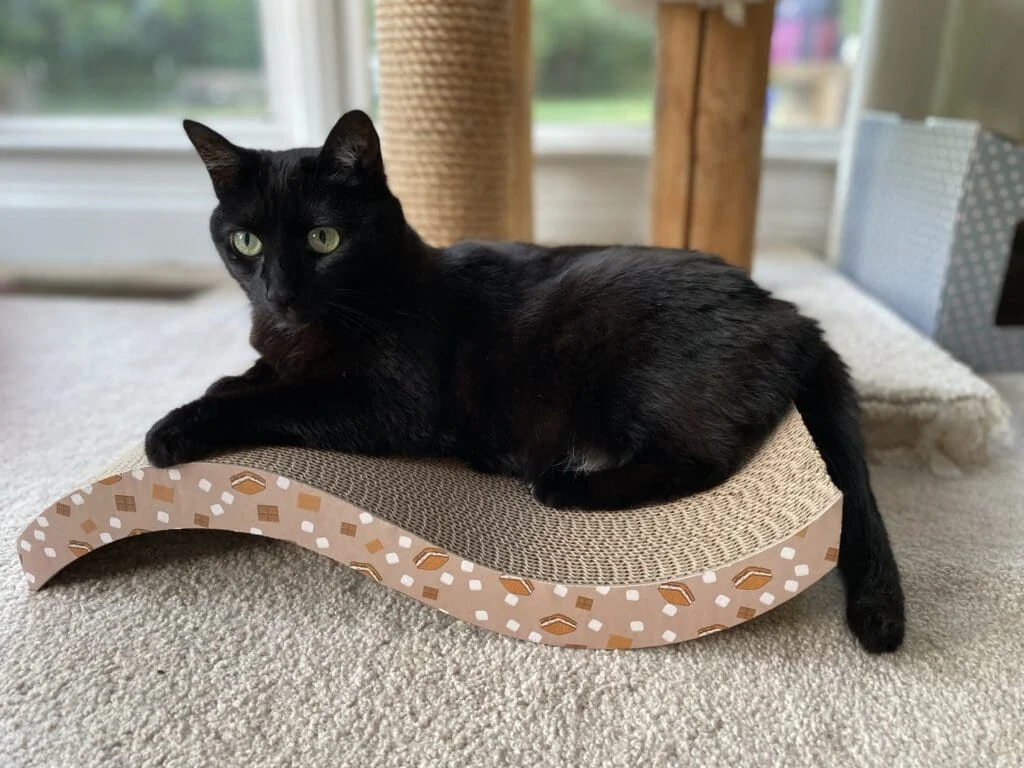
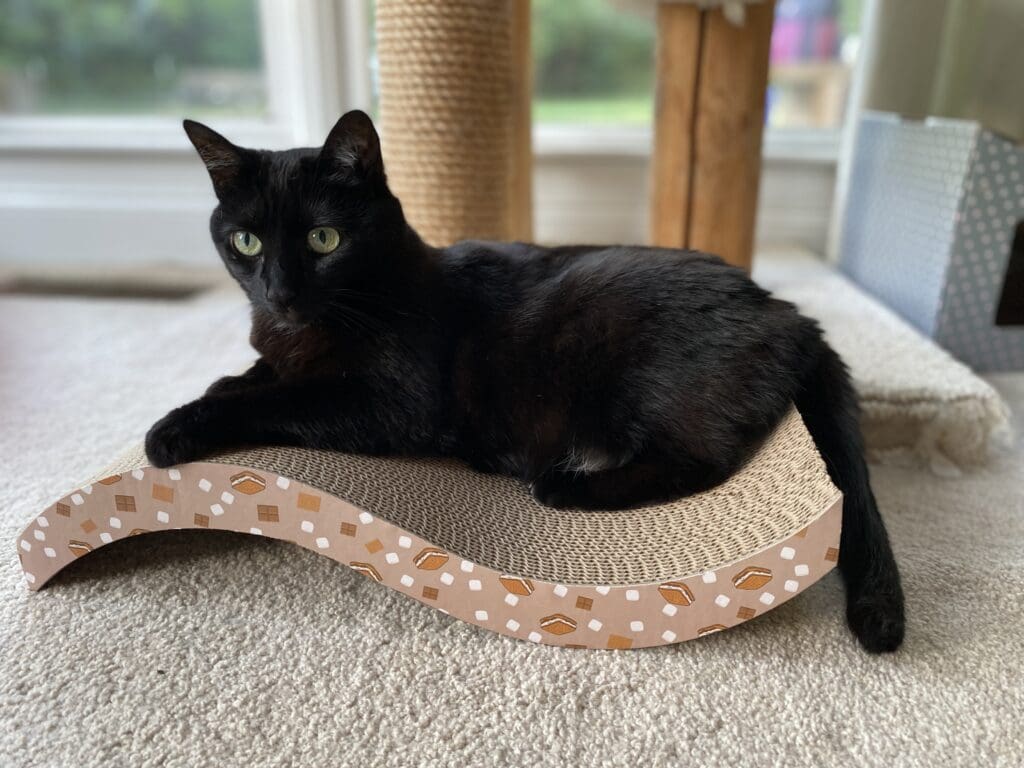
If your cat is scratching the sofa, they are not being "bad"; they are marking territory and conditioning their claws. The solution is not to stop the scratching, but to provide a more enticing alternative—a tall, stable scratching post placed near the site of their current scratching. Similarly, if a cat is climbing, provide vertical space like cat trees or wall-mounted shelves. By aligning your training with the cat’s evolutionary needs, you transform an adversarial conflict into a harmonious arrangement.

Chronology of the Training Journey
For those embarking on this journey, the following stages represent the typical progression of a healthy training relationship:
- The Acclimation Phase (Days 1–14): The focus is on environment, not training. Allow the cat to explore, find their "safe spots," and become accustomed to your scent and voice.
- The Trust-Building Phase (Weeks 3–6): Begin short, voluntary sessions. Use treats to create positive associations with your presence.
- The Skill-Acquisition Phase (Months 2–4): Introduce simple commands or target training. Keep sessions under five minutes.
- The Maintenance Phase (Ongoing): Integrate training into daily life to reinforce the bond and keep the cat mentally stimulated.
Supporting Data: Why Choice Matters
Recent studies in feline behavior highlight the importance of "agency"—the ability of the animal to choose their own actions. When a cat feels they have the option to opt-out of a training session, they are paradoxically more likely to participate.
The Voluntary Session Model
- Keep it Short: Cats have a limited attention span. Three-minute sessions are far more effective than a single thirty-minute session.
- Voluntary Engagement: Never corner your cat or force them to train. If they walk away, the session is over. This autonomy reduces the cat’s stress levels and increases their enthusiasm for the next session.
Implications of Professional Guidance
The field of cat behavior, led by experts such as Pam Johnson-Bennett, emphasizes that the goal of training is not a "trick-performing pet," but a mentally healthy companion.
The Long-Term Impact
The implications of a properly trained cat are profound. Owners who invest in this process report fewer behavioral issues, less household damage, and a significantly deeper emotional connection with their pets. When a cat understands what is expected of them, they feel more confident in their environment. This confidence manifests as a more relaxed, affectionate, and well-adjusted companion.
As you navigate this journey, remember that resources are available. Professional guidance, such as the literature provided by renowned behaviorists, offers step-by-step frameworks for addressing specific challenges. Whether you are dealing with a new kitten or a senior rescue, the principles of patience, consistency, and positive reinforcement remain the universal keys to success.
Conclusion: A Lifelong Bond
Training is not a task to be checked off a list; it is a conversation that lasts the lifetime of your cat. Every time you redirect a scratch, reward a desired behavior, or simply offer patience during a moment of feline uncertainty, you are building a bridge of trust. In this relationship, the cat learns to rely on you, and you learn to understand the intricate, beautiful language of your companion. By embracing these principles, you ensure that your home is not just a place where you both live, but a space where you both thrive.