Vacations are universally acknowledged as a time to recharge, but they are undeniably better when shared with your four-legged best friend. While popular tourist hubs boast endless attractions, they often come with suffocating crowds, strict leash laws, and inflated prices that pull away from the true spirit of a getaway. For travelers looking to escape the hustle and bustle, choosing an off-the-beaten-path destination allows both humans and animals to truly unwind.
Cancel the kennel reservations and put away the sitter schedules. Industry insights and travel data highlight nine extraordinary pet-friendly destinations across the United States where towering peaks, rolling surf, and quiet trails replace bumper-to-bumper traffic and crowded boardwalks.
Main Facts: The Rise of Off-the-Beaten-Path Pet Travel
The tourism sector has seen a sharp surge in pet-inclusive travel over the last decade, with millions of households opting to bring their cats and dogs along on road trips and outdoor excursions. However, major national parks often impose stringent regulations that restrict pets from backcountry trails, waterways, and sensitive ecosystems.
To bridge the gap between adventure and animal welfare, travel experts recommend looking beyond traditional tourist traps. Destinations featuring national forests, state parks, and historic byways frequently offer the expansive acreage needed for true isolation while maintaining welcoming policies for furry companions. From the jagged desert canyons of West Texas to the canine paradise of New England, these nine locations offer a blueprint for crowd-free traveling.
Chronology of an Emerging Travel Trend
- Late 19th Century: Iconic locales like Mackinac Island, Michigan, officially ban personal motor vehicles (1898), unwittingly establishing a historic framework for pedestrian- and animal-friendly travel spaces centuries before modern pet tourism took off.
- Mid-20th Century: Historic military installations, such as Fort Worden in Washington State, are decommissioned and eventually transitioned into public state parks, opening up miles of coastal access and historic grounds for public and pet exploration.
- Late 20th Century: Artists Stephen and Gwen Huneck establish Dog Mountain in St. monuments, Vermont, creating a pioneering 150-acre off-leash haven dedicated entirely to canine culture and memorialization.
- Present Day: Travelers increasingly reject congested urban hotspots in favor of scenic byways (like the Natchez Trace) and lesser-known national forest boundaries (such as Paradise Valley, Montana) to secure quiet, socially distanced vacations with their pets.
Supporting Data and Destination Breakdown
1. Big Bend, Texas
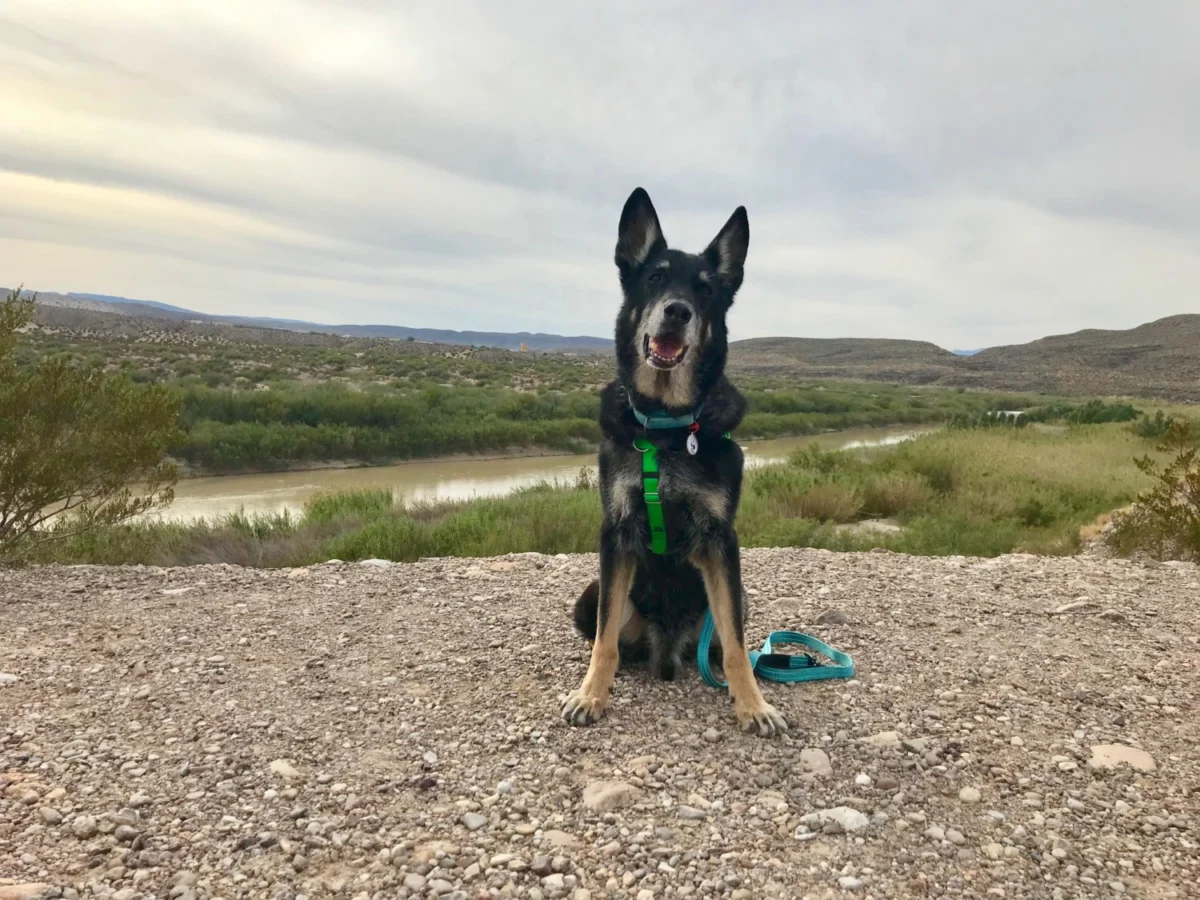
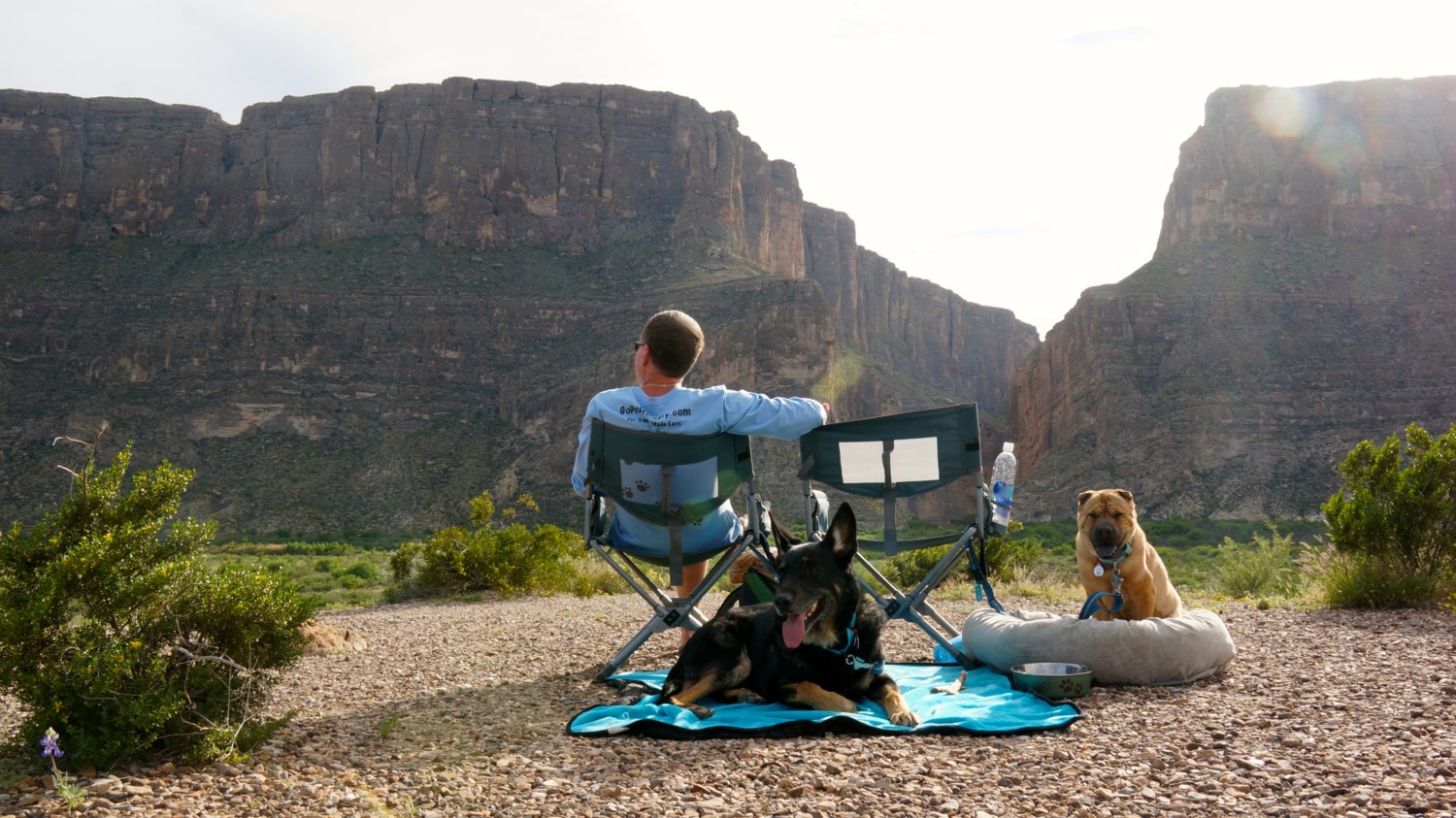
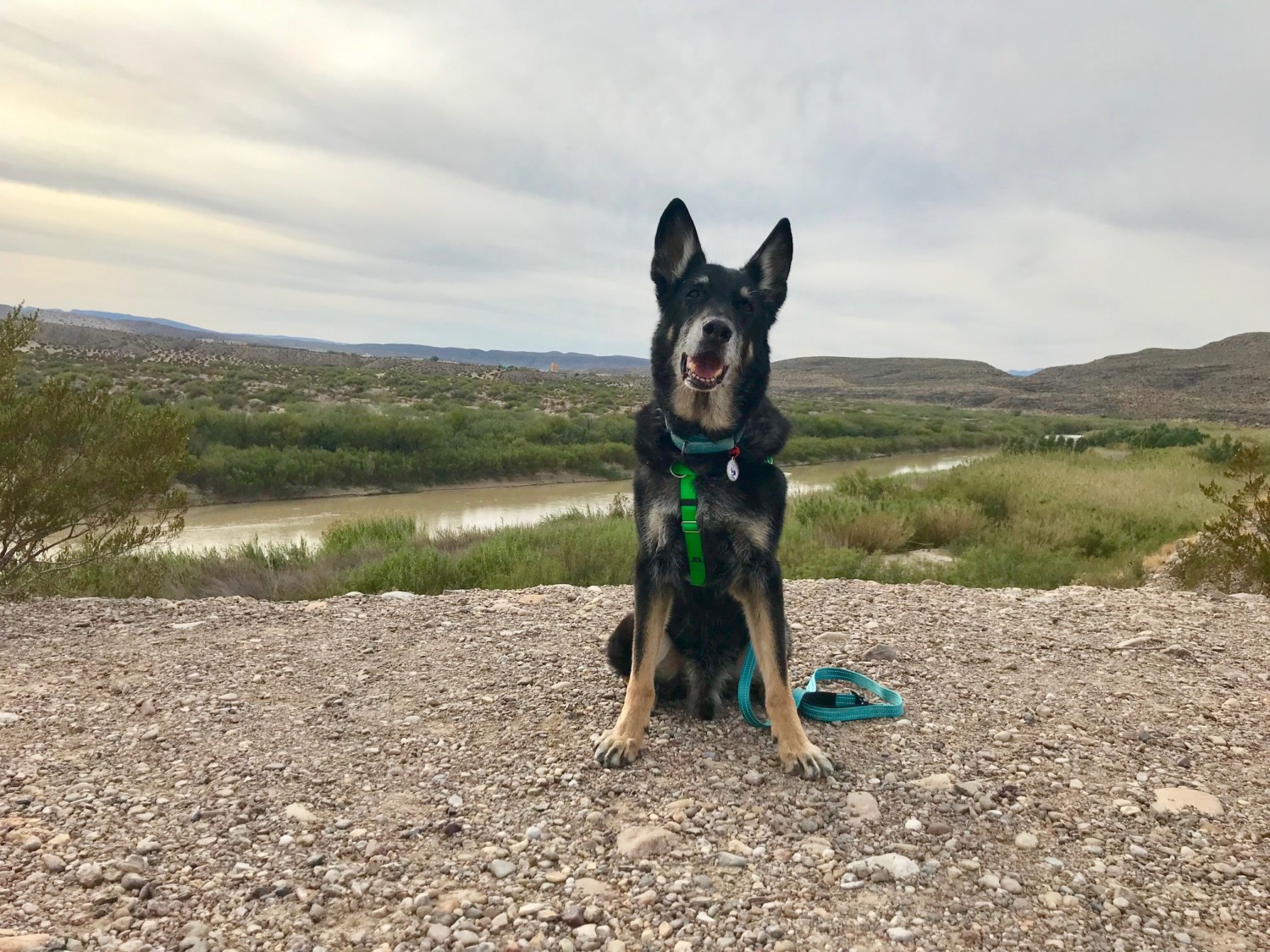
Isolated in the far reaches of West Texas, Big Bend is not on the way to anywhere else, ensuring a low-density visitor turnout. The region features dramatic topographical diversity, spanning massive canyons, vast deserts, and forested mountains.
- Pet Policies: While Big Bend National Park restricts pets from backcountry trails and rivers, leashed animals are permitted on the park’s 200+ miles of low-traffic dirt roads. Jeep excursions and scenic drives along the Rio Grande are local favorites.
- Accommodations: Year-round pet-friendly campsites, private campgrounds, vacation rentals, and four dedicated pet-friendly hotels sit within easy driving distance of the park.
2. Dixie National Forest, Southern Utah
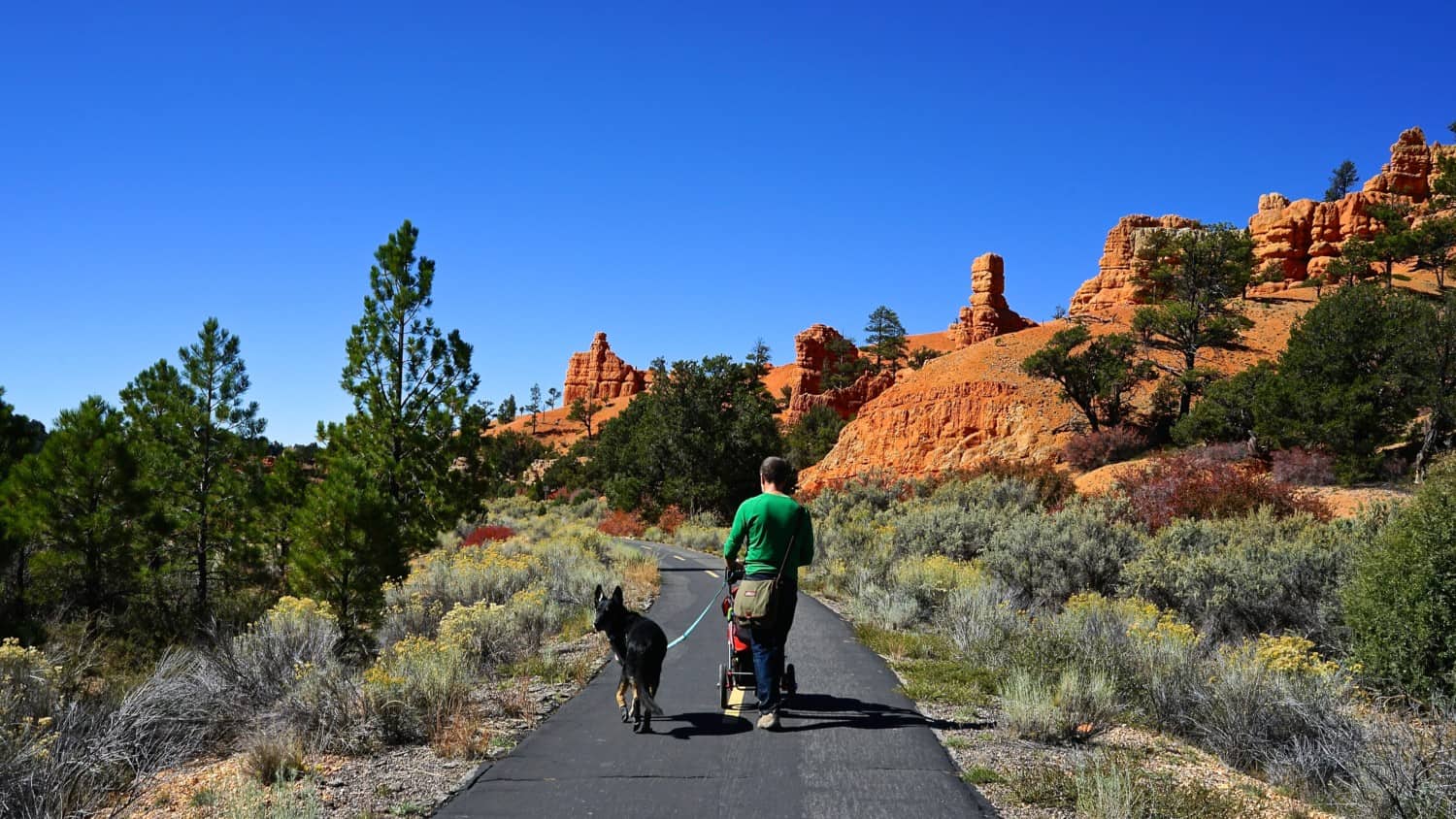
Spanning nearly 2 million acres, Dixie National Forest serves as a sprawling alternative to Utah’s heavily regulated national parks like Bryce and Zion.
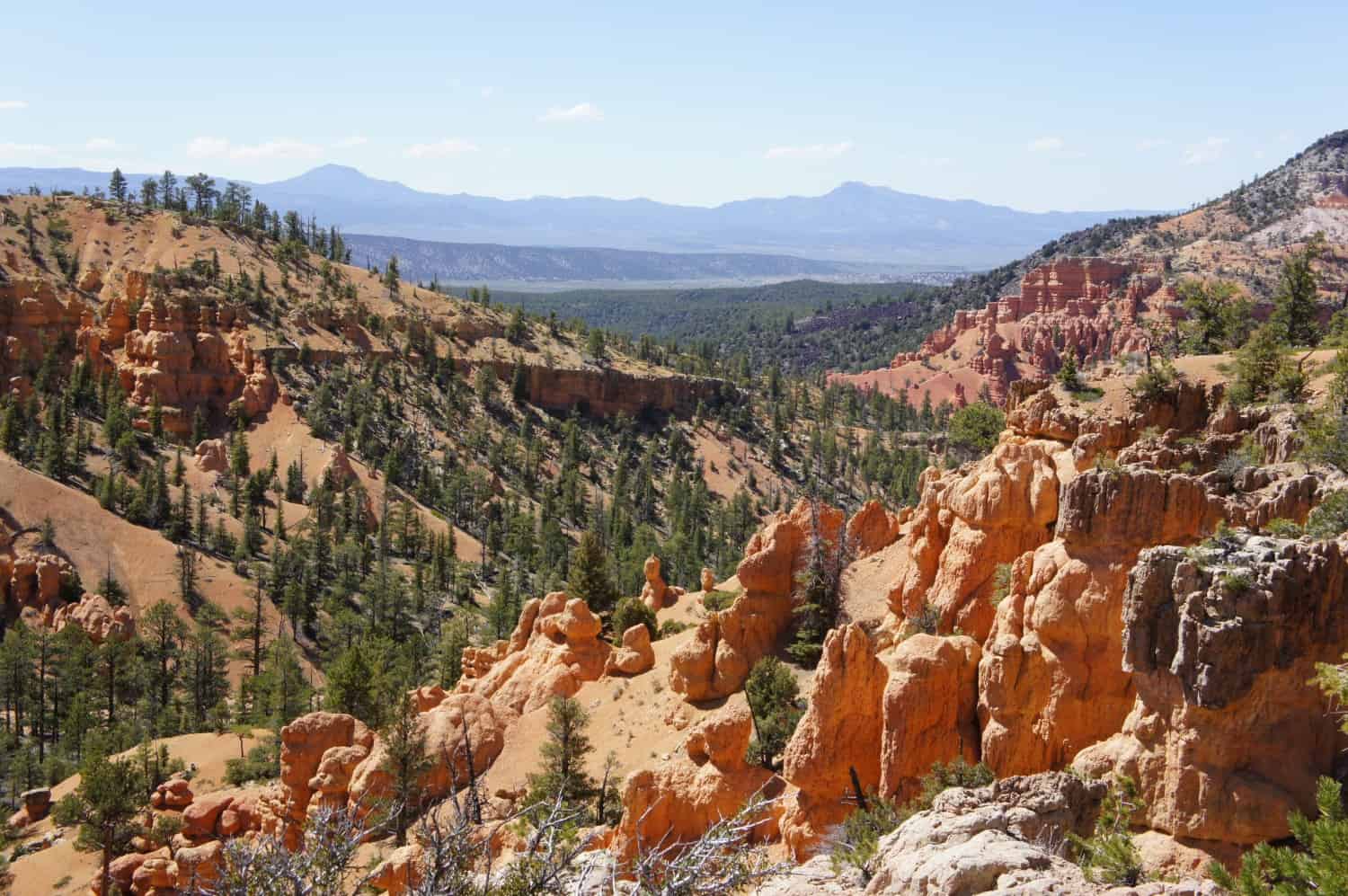
- Pet Policies: Every square inch of the forest’s 1,600 miles of trails and 90 lakes is entirely pet-friendly. The five-mile Red Canyon Trail is a top recommendation for navigating stunning hoodoo formations.
- Accommodations: The forest features 18 seasonal campgrounds (open May through September), while the nearby town of Panguitch offers a variety of pet-friendly hotels during the off-season.
3. Florence, Oregon
Florence provides the charm of a Pacific Northwest coastal town without the steep price tags or overwhelming tourist foot traffic.
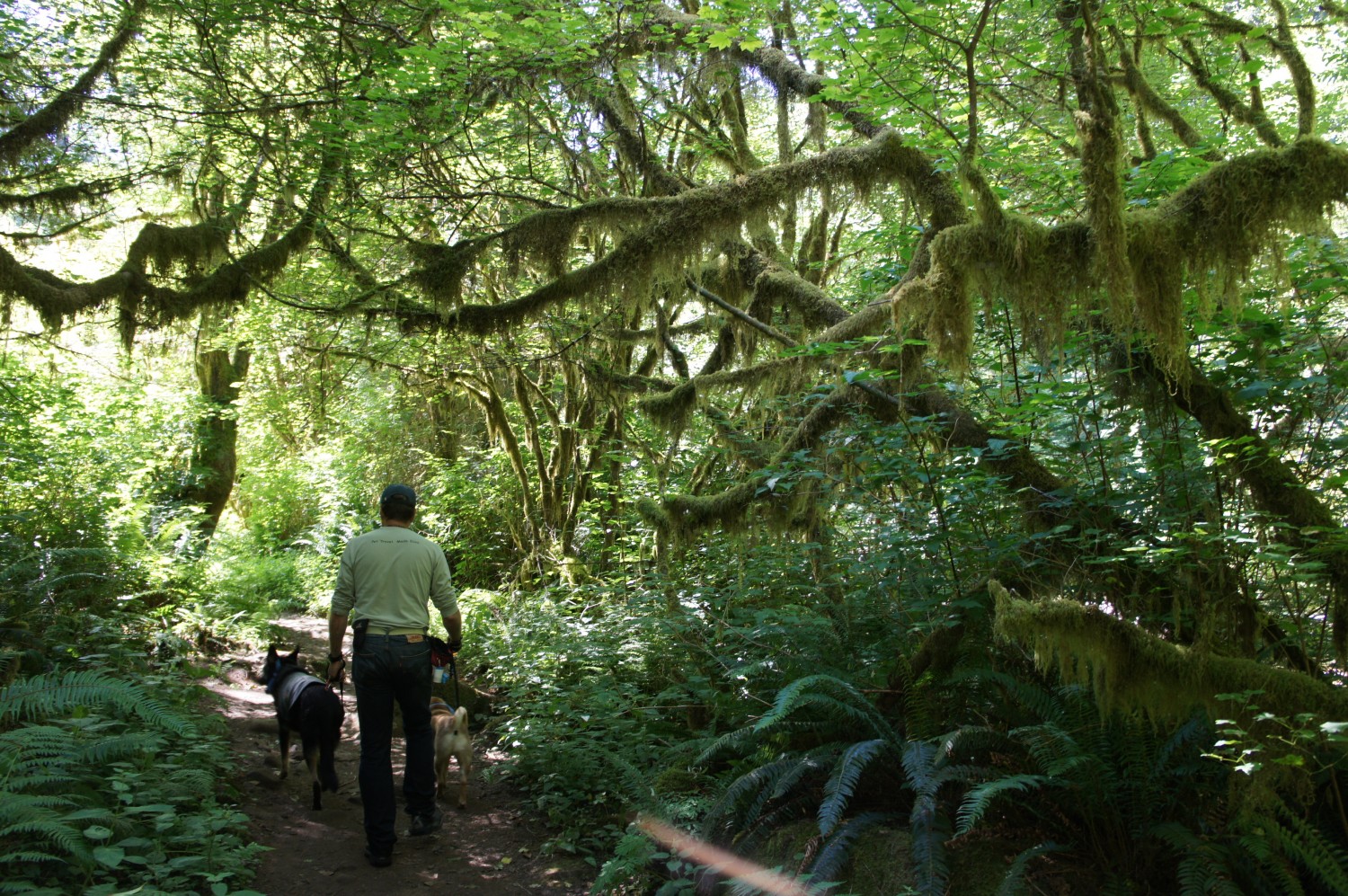
- Pet Policies: Leashed pets can explore the Oregon Dunes, hike the Sweet Creek Trail past 11 waterfalls in Siuslaw National Forest, or traverse the 26 pet-friendly miles of trails at Cape Perpetua.
- Accommodations: A high concentration of pet-friendly restaurants, vacation properties, and standard lodging—such as the Best Western Plus Pier Point Inn, which accepts two pets up to 80 pounds—are readily available.
4. Fort Worden State Park — Port Townsend, Washington
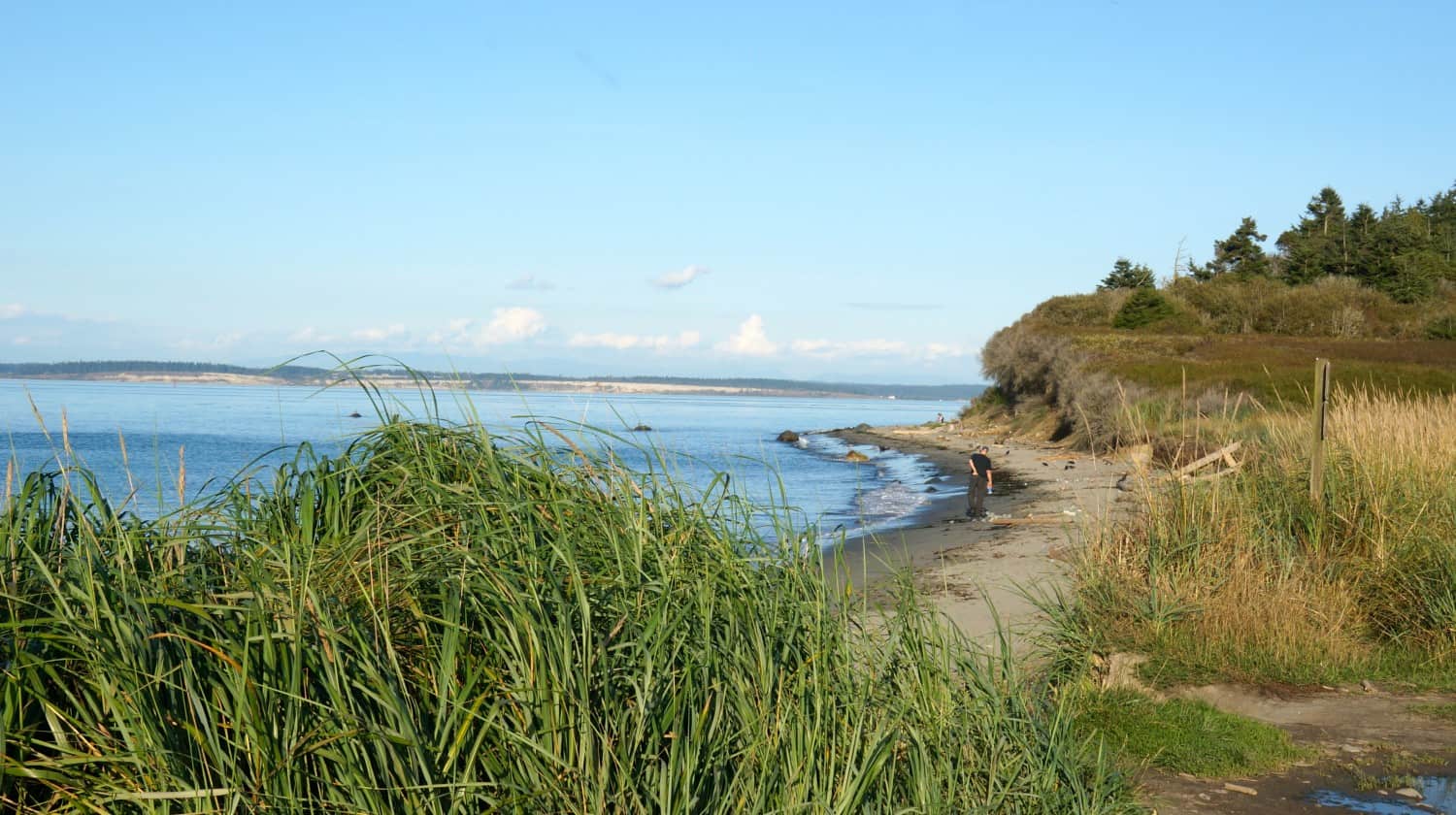
Overlooking the Puget Sound on the Olympic Peninsula, this 433-acre former military base combines historic exploration with coastal beauty.

- Pet Policies: Pets are welcome across 12 miles of trails featuring historic gun batteries, alongside two miles of sandy beaches and convenient boat ramps for canoeing and kayaking.
- Accommodations: Campers can utilize two park campgrounds, while those seeking a unique stay can book one of five pet-friendly units converted from the original Victorian military officers’ barracks.
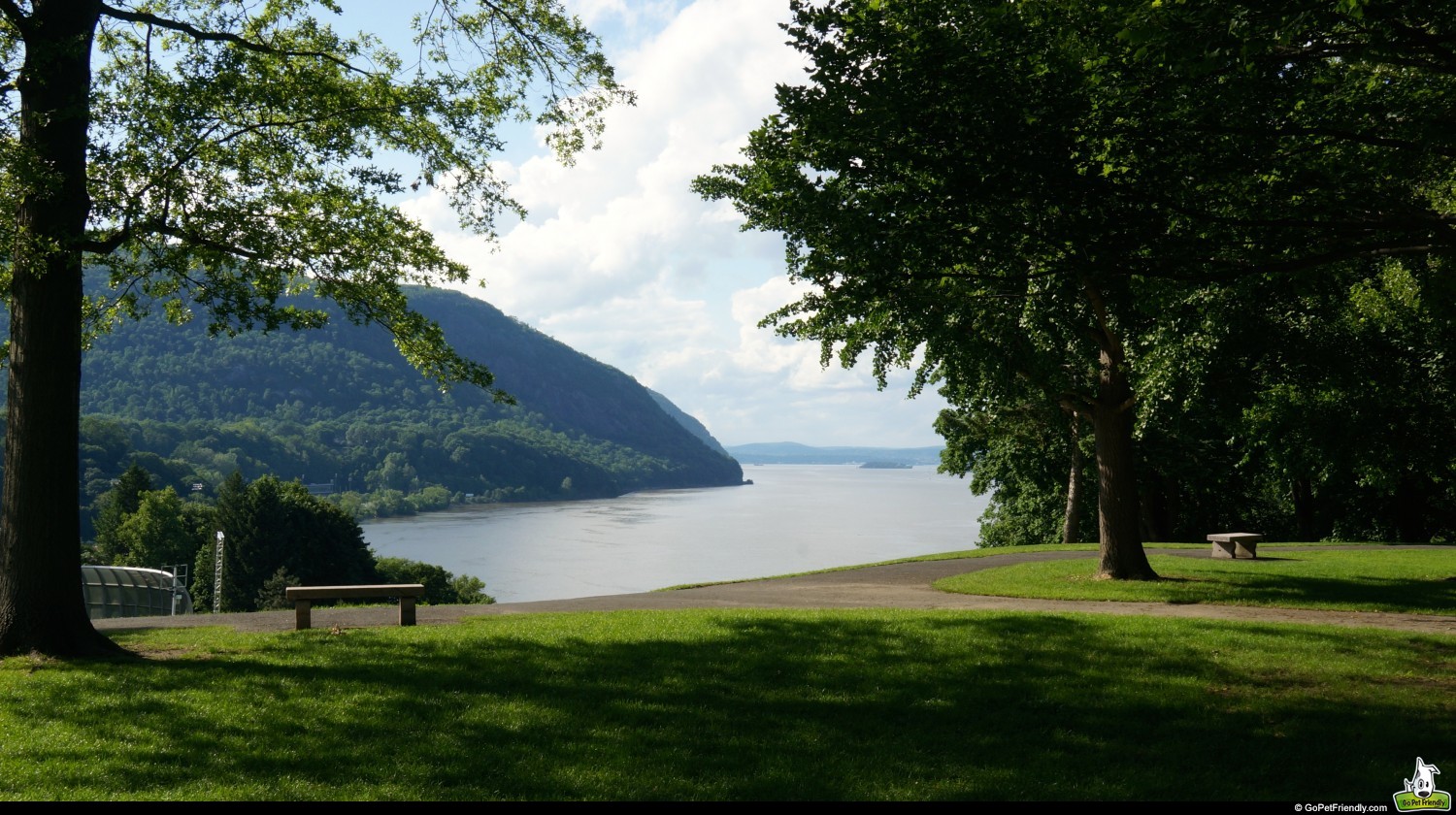
5. Hudson Valley, New York
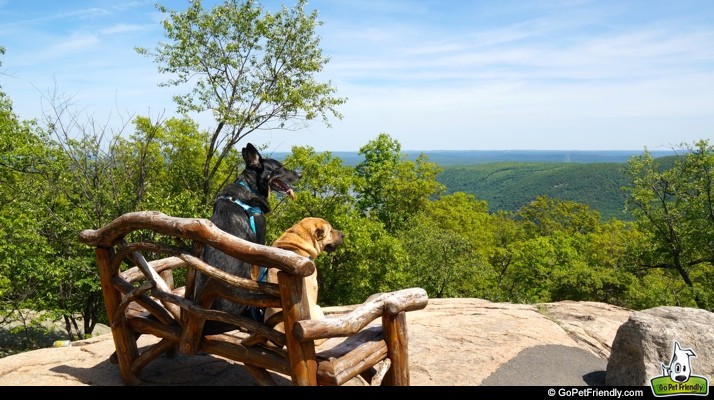
Located just 90 minutes north of Manhattan, the Hudson Valley offers sweeping vistas along the Catskill Mountains where the Hudson River carves through historic towns.
- Pet Policies: Bear Mountain State Park invites pets for scenic picnics and hikes along the famed Appalachian Trail (including its stone staircase ascent), while historic sites like Sleepy Hollow Cemetery welcome leashed walkers.
- Accommodations: Travelers can choose from extensive campgrounds, boutique hotels, and rental properties across Kingston, Newburgh, and Tarrytown.
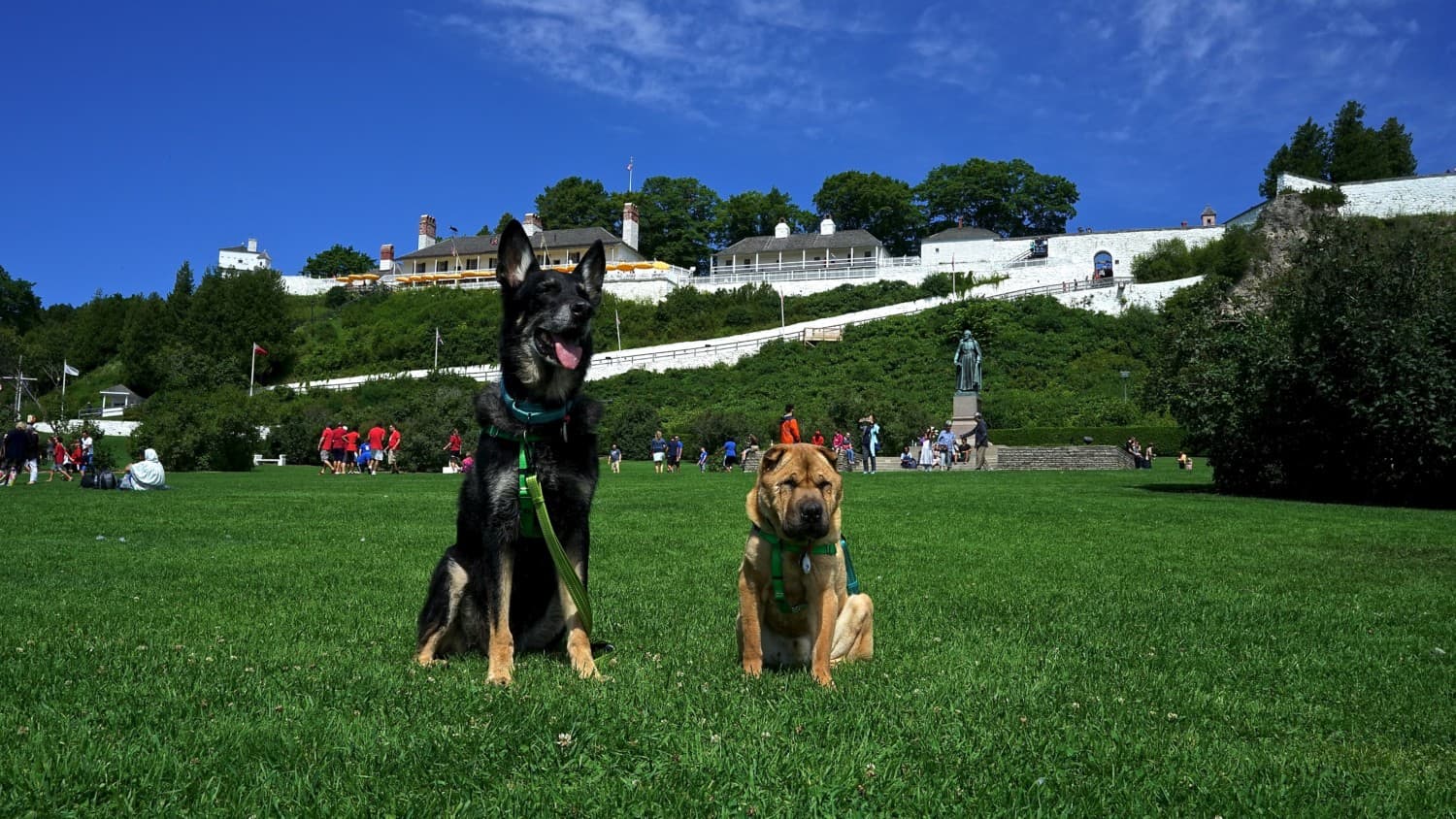
6. Mackinac Island, Michigan
Prohibiting personal automobiles since 1898, this 3.8-square-mile island in Lake Huron is a pedestrian and animal sanctuary accessible via a short 15-minute ferry ride.

- Pet Policies: Eighty percent of the island is preserved within Mackinac Island State Park. Pets are welcomed aboard ferries, horse-drawn taxis, and guided carriage tours.
- Accommodations: While camping is prohibited, luxury options like Mission Point Resort, Park Place Suites, and Sunset Condos accommodate pets with varying size-based fees.
7. Natchez Trace, Tennessee to Mississippi
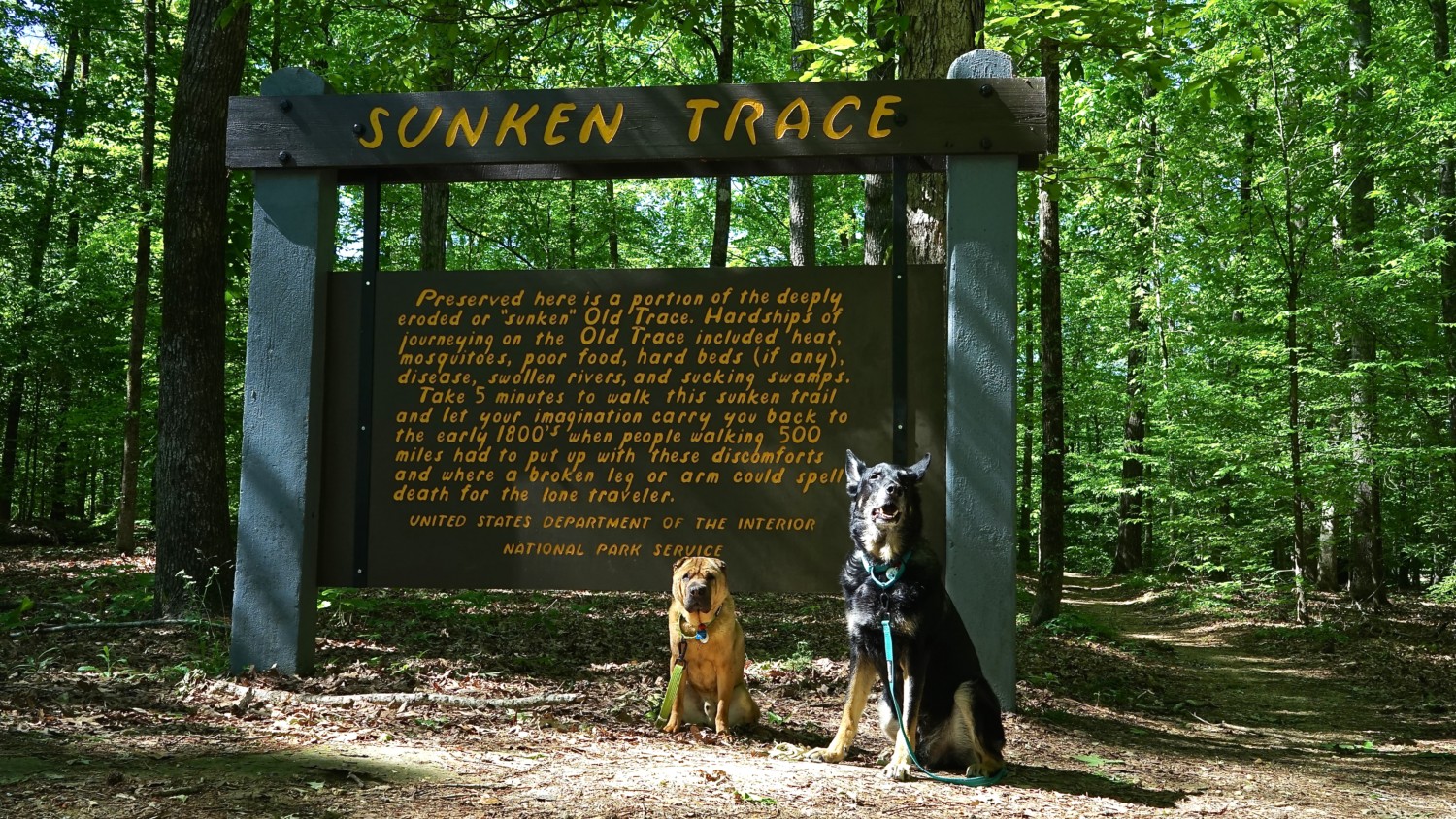
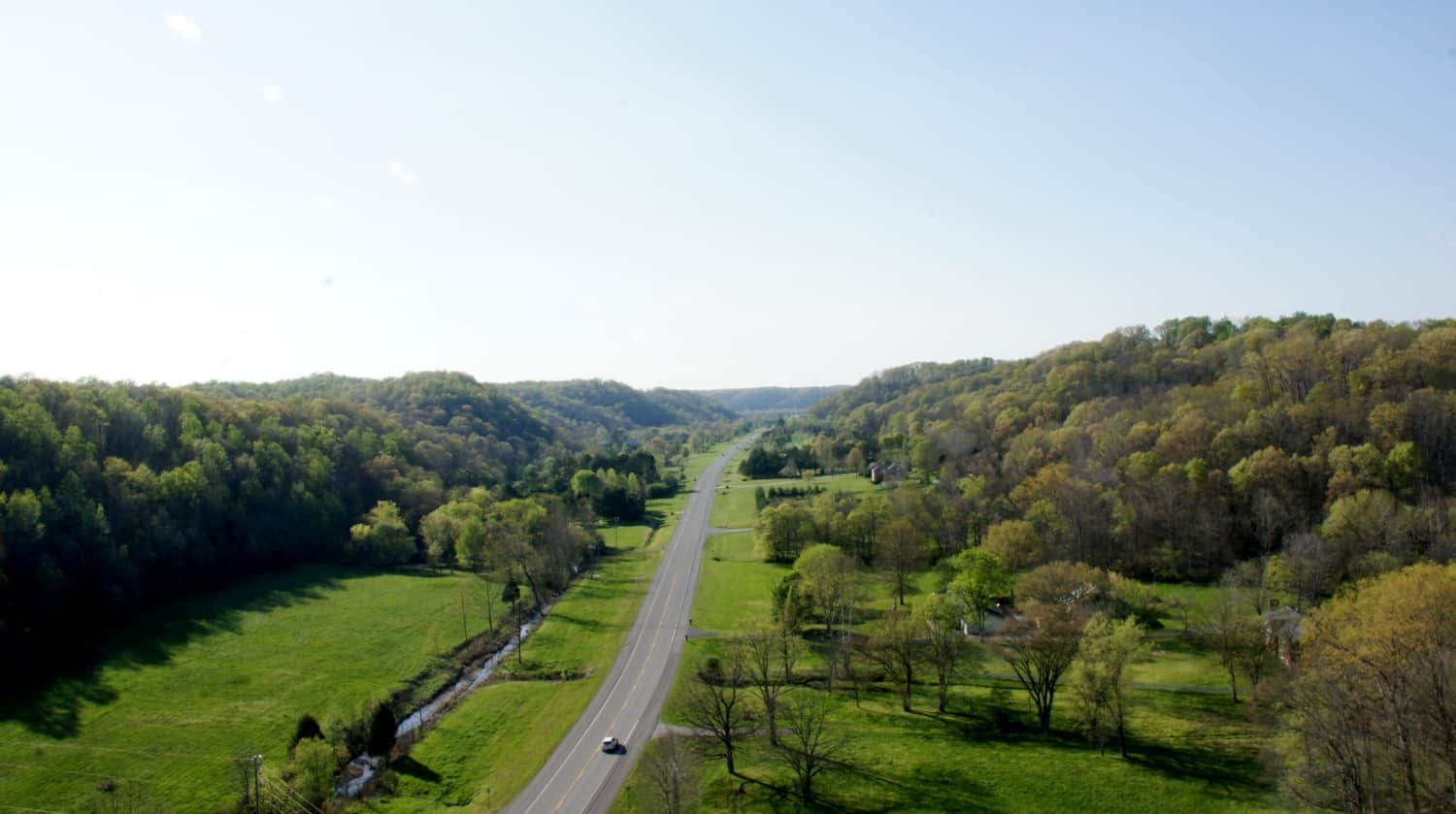
Stretching 444 miles from Nashville to Natchez, this historic parkway is a blissfully quiet, billboard-free alternative to traditional interstate driving.
- Pet Policies: The Trace features 28 pet-friendly hiking trails, interpretive signs, and rich botanical landscapes displaying over 2,000 plant species.
- Accommodations: Primitive National Park campgrounds dot the route, alongside a wide array of pet-friendly hotels located in adjacent towns just off the parkway.
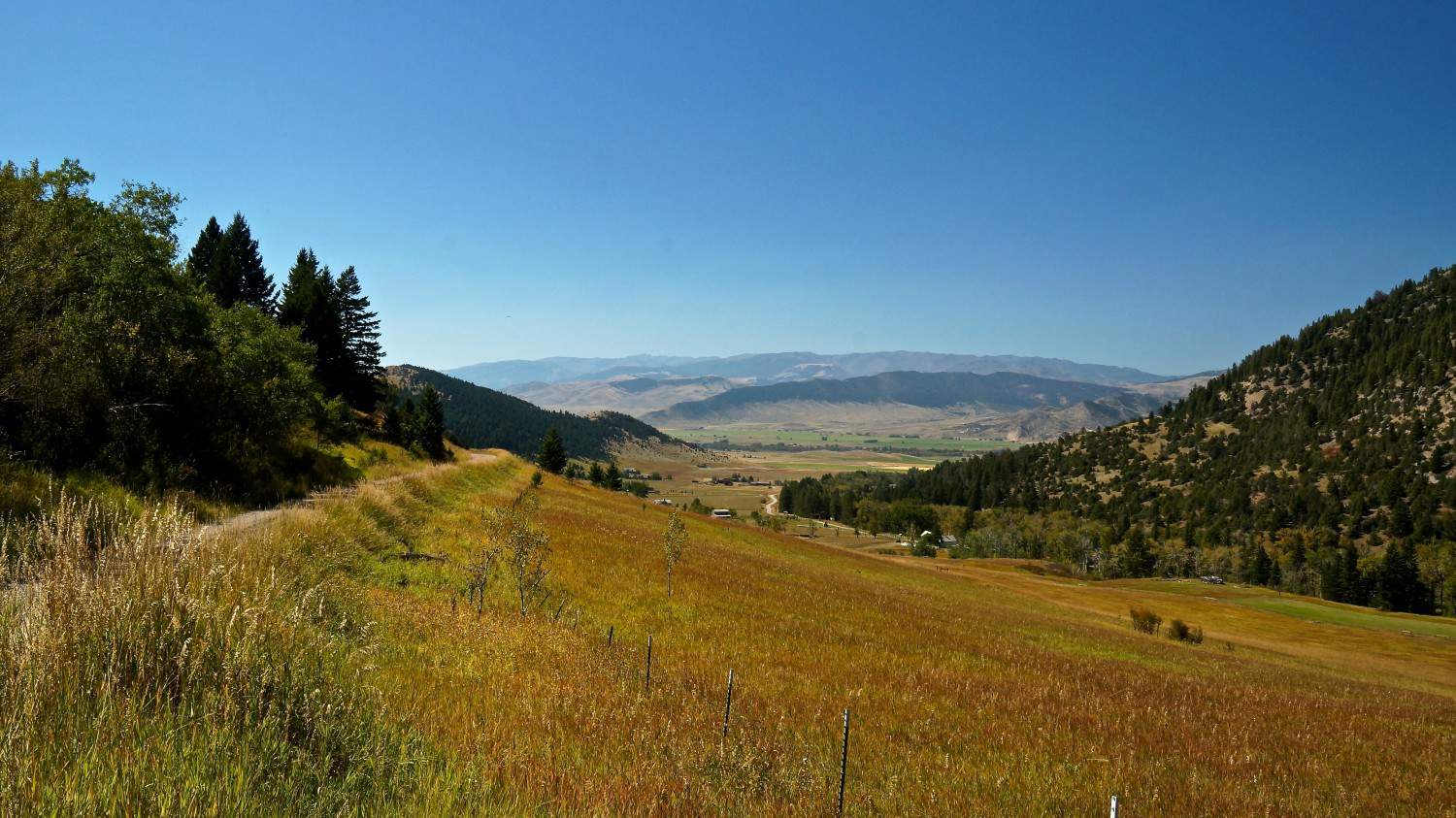
8. Paradise Valley, Montana
Positioned just north of Yellowstone National Park, Paradise Valley bypasses the massive tourist congestion of the park interior while offering identical mountain grandeur.
- Pet Policies: Gallatin National Forest provides expansive pet-friendly hiking trails, while the Yellowstone River corridor offers world-class fly-fishing and roadside wildlife viewing (including elk, bison, and antelope).
- Accommodations: Campgrounds are plentiful, with nearby Gardiner, Livingston, and Bozeman providing ample pet-friendly hotel infrastructure.
9. St. Johnsbury, Vermont
Hailed as a canine mecca, St. Johnsbury sits amidst the Passumpsic and Moose Rivers and serves as a gateway to the Green and White Mountains.

- Pet Policies: The area centers around Dog Mountain—a 150-acre off-leash playground featuring hiking trails, a pond, an art gallery, and a historic dog chapel covered in pet memorials.
- Accommodations: Local establishments like the Fairbanks Inn offer pet-friendly rooms for a modest nightly fee, complemented by numerous regional campgrounds.
Official Responses and Management Perspectives
Land management agencies and park authorities consistently emphasize that successful pet travel relies heavily on responsible stewardship. Representatives from national forests and state parks reiterate that while off-the-beaten-path locations offer greater freedoms than crowded national parks, maintaining baseline rules is critical to protecting local wildlife and fragile ecosystems.
Park rangers routinely advise visitors to adhere strictly to local leash mandates, pack out all waste, and monitor pets for signs of exhaustion or overheating—particularly in rugged desert environments like Big Bend or high-elevation alpine routes like Mount Washington. By practicing "Leave No Trace" principles, pet owners ensure that these remote public lands retain their open-door policies for future generations of travelers.
Implications for the Tourism and Hospitality Sectors
The enduring popularity of remote, pet-inclusive destinations carries significant economic and structural implications for the travel industry. As more consumers prioritize experiences that accommodate their entire family—pets included—rural towns and lesser-known state parks are experiencing a steady influx of sustainable tourism revenue.
Local economies near areas like Dixie National Forest and Paradise Valley are increasingly adapting by expanding pet-friendly lodging inventories, updating local dining patios to welcome animals, and providing clear digital resources for traveling pet owners. Ultimately, this shift proves that destinations do not need to compromise on crowd control to offer high-quality, memorable hospitality.