A brewing legal conflict between the Association of American Feed Control Officials (AAFCO) and the legislative statutes of 14 individual U.S. states has placed a spotlight on the safety and sourcing of pet food ingredients. Consumer advocates are warning that if these inconsistencies are challenged in a court of law, common pet food ingredients—including various meat meals and by-products—could be rendered legally invalid, effectively banning them from sale in nearly a third of the country.
The Core Conflict: A Regulatory Mismatch
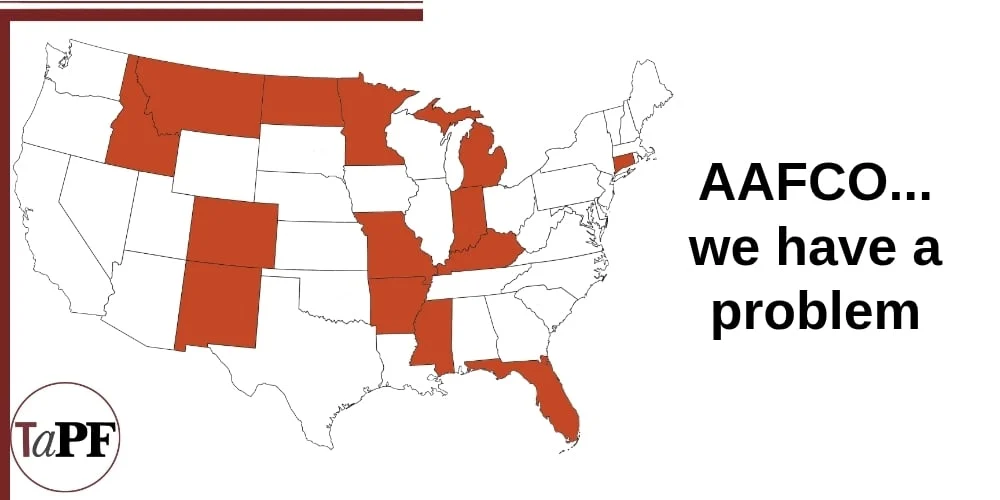
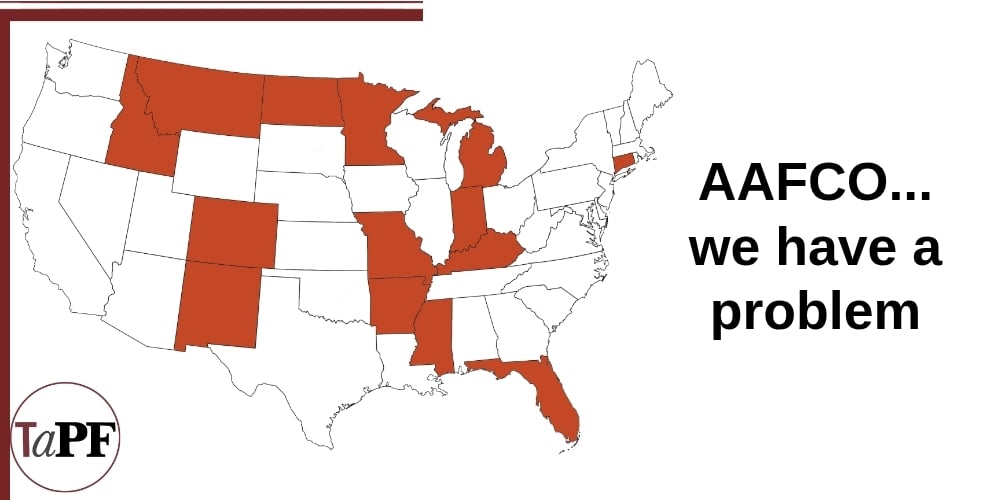
At the heart of the controversy is a fundamental disagreement over what constitutes "adulterated" feed. AAFCO, a private, non-profit organization, provides the model definitions and standards that most state departments of agriculture adopt to regulate pet food. However, an investigation by consumer advocate Susan Thixton of Truth About Pet Food reveals that the definitions maintained by AAFCO often fall short of the specific, more stringent protections codified in the laws of 14 states: Arkansas, Colorado, Connecticut, Florida, Idaho, Indiana, Kentucky, Michigan, Minnesota, Mississippi, Missouri, Montana, New Mexico, and North Dakota.
The primary issue is the omission of explicit sourcing requirements. While many state laws mandate that animal-derived ingredients must originate from slaughtered, disease-free animals and be free from filth or decomposition, AAFCO’s current definitions are significantly broader. Critics argue that these broad definitions provide a loophole that permits the use of ingredients derived from non-slaughtered, deceased, or diseased animals—materials that would, under state statutes, be classified as "adulterated."
Chronology: From Legislative Oversight to Regulatory Impasse
The tension between AAFCO definitions and state statutes is not a new development, but it is one that has been largely overlooked by the industry until now.
- Establishment of Standards: For decades, AAFCO has functioned as the primary architect of pet food ingredient definitions. Because they are not a government agency, their influence relies on states voluntarily adopting their model regulations.
- The Regulatory Gap: Over time, individual states enacted their own specific "Adulterated Feed" statutes to protect local agriculture and consumer health. These laws specifically prohibited the inclusion of non-slaughtered animals or decomposed substances.
- The Silent Compliance: During committee meetings and regulatory sessions, representatives from the 14 states in question have frequently participated in the drafting of AAFCO definitions. Despite the clear conflict between their own state laws and the AAFCO standards they helped write, no official push was made to reconcile these differences.
- The Current Ultimatum: In late 2024 and early 2025, consumer advocacy groups began formally notifying AAFCO leadership of this discrepancy, demanding that the organization update its definitions to align with existing state laws or face potential legal challenges.
Supporting Data: The Case of Missouri
To understand the legal jeopardy AAFCO faces, one need only look at the statutes of Missouri. Section 266.180 of the Missouri Revised Statutes explicitly defines adulterated feed as, in part, the "product of a diseased animal or of an animal which dies other than by slaughter."
Conversely, AAFCO’s definitions for common ingredients such as "Poultry by-product meal," "Meat meal," and "Animal Digest" lack this slaughter requirement. Instead, they rely on a vague provision that the ingredient must be "suitable for use in animal food." AAFCO defines "suitable" as conforming to the Federal Food, Drug, and Cosmetic Act—a standard that can be interpreted in ways that allow for the inclusion of materials that Missouri law strictly forbids.
Furthermore, Missouri law prohibits the inclusion of "filthy, putrid, or decomposed substance" in any commercial feed. AAFCO’s definitions lack this explicit prohibition. Under Section 536.014 of the Missouri code, any rule created by a department or board is considered invalid if it conflicts with state law. Legal experts suggest that if a consumer or interest group were to bring a case before a Missouri court, the judge would likely find the AAFCO-based definitions in direct violation of state sovereignty, effectively stripping those ingredients of their legal status.
The Implication of Legal Invalidation
If the legal definitions for ingredients like "Meat and bone meal" or "Animal by-product meal" are invalidated in these 14 states, the consequences for the pet food industry would be seismic.
1. Market Disruption
If an ingredient lacks a recognized legal definition within a state, it cannot be legally sold or used in products distributed in that state. This would trigger an immediate crisis for major pet food manufacturers who rely on nationwide supply chains. Manufacturers would be forced to either reformulate their products to meet the stricter state standards or exit those markets entirely.
2. Liability and Litigation
The ruling would open the door for class-action lawsuits. If a company has been selling pet food in Missouri that contains ingredients derived from non-slaughtered animals, and a court determines those ingredients are "adulterated" under state law, the company could be held liable for selling prohibited substances.

3. Regulatory Reform
The crisis forces AAFCO into a corner. They must choose between updating their definitions to reflect the higher standards of these 14 states or risk losing their role as the gold standard for pet food regulation. If they choose to update, it would likely force a massive shift in how the entire pet food industry sources its proteins, moving away from "4D" (dead, dying, diseased, or disabled) animal products and toward human-grade or clearly defined slaughterhouse by-products.
Official Responses and Next Steps
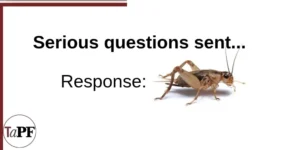
As of this writing, AAFCO has not issued a formal, comprehensive response to the specific demand for a revision of its ingredient definitions. The organization faces a delicate balancing act: maintaining the trust of the industry, which benefits from the current low-cost sourcing options, while satisfying the legal requirements of the states that provide their regulatory authority.
Consumer advocates, including the Association for Truth in Pet Food, have signaled that they are prepared to continue the pressure. Their demand is clear: AAFCO must immediately align its definitions for Animal Products with the requirements of the 14 states. This includes:
- Explicit requirements for ingredients to be sourced from slaughtered animals.
- Mandatory certification that ingredients are derived from disease-free animals.
- The inclusion of language explicitly prohibiting filth and decomposition.
The Broader Impact on Pet Owners
For the average pet owner, this news serves as a reminder of the complexity behind the label. While the term "by-product" is often debated in pet nutrition circles, this legal conflict highlights that the term itself is not just a marketing issue—it is a regulatory one.
The 14 states affected represent a significant portion of the American pet-owning population. If these laws are upheld, pet owners in these regions may see a change in ingredient lists or, potentially, a change in the quality of the products available on the shelves.
The industry is now at a crossroads. Will it continue to operate under the "business as usual" model of broad, permissive definitions, or will it accept that the law—specifically the legislative will of the states—demands a higher standard of safety? The outcome of this standoff will likely define the regulatory landscape for pet food for the next decade.
For now, the Association for Truth in Pet Food continues to monitor the situation, promising to share any forthcoming response from AAFCO with the public. As the legal clock ticks, the industry remains in a precarious position, waiting to see if a single court challenge will force a total overhaul of how our pets’ food is defined, sourced, and sold.