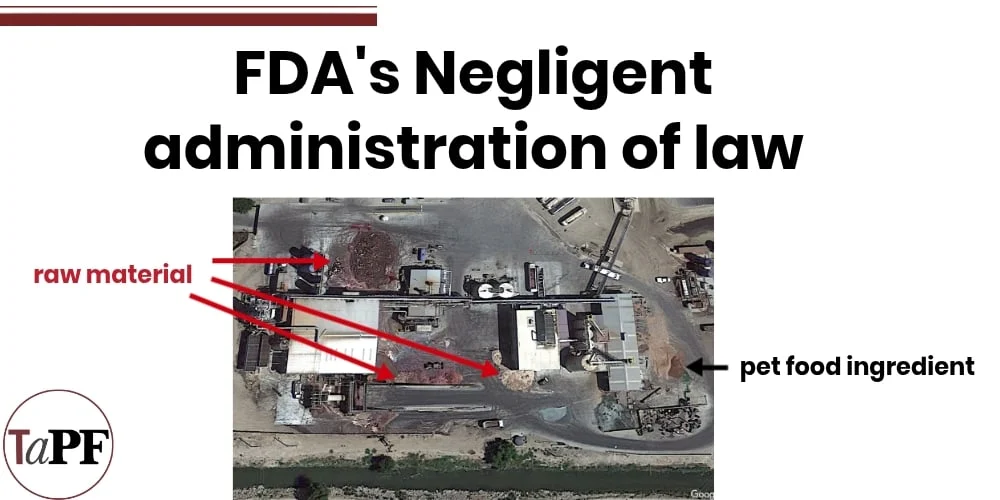
In the complex landscape of American consumer protection, few regulatory bodies hold as much influence over the daily health of household pets as the Food and Drug Administration (FDA). The agency’s Center for Veterinary Medicine (CVM) is tasked with upholding the Federal Food, Drug, and Cosmetic Act (FD&C Act), which explicitly mandates that animal foods be produced under sanitary conditions, remain free of harmful substances, and—perhaps most importantly—be truthfully labeled.
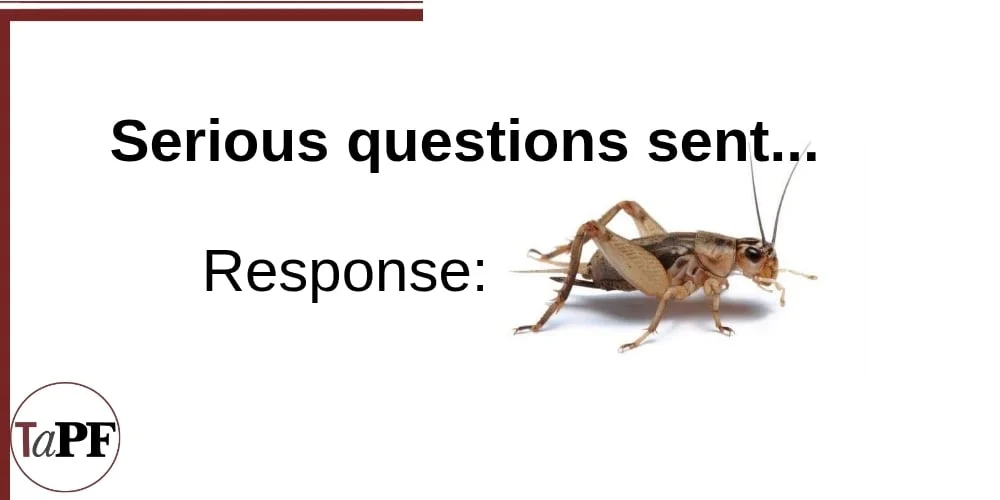
However, a growing chorus of consumer advocates, led by organizations such as TruthaboutPetFood.com, contends that the FDA has abandoned its oversight duties, opting instead for a policy of silence and non-responsiveness. Over the past several years, repeated inquiries regarding labeling inaccuracies, the safety of rendered ingredients, and the public health implications of avian influenza in pet food have been met with either non-answers or outright administrative stonewalling.
A Pattern of Evasion: The Chronology of Inquiries
The relationship between consumer advocates and the FDA has reached a nadir, characterized by a series of unanswered formal communications. The following timeline illustrates a persistent refusal by the agency to address substantive questions regarding the regulation of the pet food industry.
The Labeling Dilemma (January 2026 – September 2026)
On January 28, 2026, advocates formally queried the FDA regarding the marketing of Meow Mix Original Choice cat food. The product packaging prominently features imagery of fresh, whole cuts of chicken breast, roasted turkey, and fish fillets. Yet, an inspection of the ingredient panel reveals that the product contains only meal-based derivatives: chicken by-product meal, turkey by-product meal, salmon meal, and ocean fish meal.
When asked to explain how this imagery qualifies as "truthful labeling" under the FD&C Act, the FDA failed to provide a response. A follow-up email sent on March 12, 2026, seeking either a justification or an explanation for the agency’s silence, was also ignored. As of September 15, 2026, the agency has provided no comment.
The "Tankage" Mystery (July 2026)
In July, the investigation turned to the terminology used for industrial-grade animal ingredients. The USDA processes condemned slaughterhouse material into a substance known as "tankage." Advocates requested clarification on how this material is identified on retail labels—specifically, whether it is permitted to be labeled as "chicken" or "chicken meal" rather than its technical, industrial designation. The FDA failed to answer the inquiry, effectively leaving consumers in the dark regarding the true nature of the ingredients in their pets’ bowls.
Avian Influenza and Public Health (September 2025)
Perhaps the most concerning interaction involves the transparency surrounding Highly Pathogenic Avian Influenza (HPAI). In September 2025, advocates questioned the FDA’s singular focus on raw pet food as a vector for HPAI. Data suggests that 96% of diagnosed cats were not linked to raw food consumption. Despite this, the FDA has not disclosed the dietary habits or living conditions (indoor vs. outdoor) of the majority of affected animals. The refusal to provide this data raises the critical question: is the agency suppressing information regarding the risks of kibble-based diets or the susceptibility of outdoor cats, thereby leaving pet owners unable to make informed safety decisions?
Regulatory Friction: The AAFCO Modernization Crisis
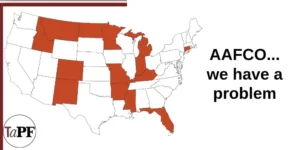
A significant point of contention has been the FDA’s shifting relationship with the Association of American Feed Control Officials (AAFCO). For decades, this partnership provided a framework for pet food standards. When the FDA formally ended its long-standing Memorandum of Understanding (MOU) with AAFCO, confusion ensued regarding the future of the "Pet Food Label Modernization" initiative.
When asked by advocates on May 29, 2026, if these much-needed label updates would still be implemented, the FDA provided a link to a generic statement regarding the expiration of the MOU. When pressed further on June 5, 2026, to provide a direct answer, the agency’s only response was: "We would refer you to our previous response." This bureaucratic deflection illustrates a systemic refusal to engage with the public, even on matters that directly impact consumer clarity and safety.
The 1,333-Day Wait: A History of Legal Inaction
The current state of affairs is not a recent phenomenon but the result of a long-standing pattern of neglect. In 2022, a formal Citizen Petition was filed with the FDA, citing specific federal laws that were being violated by the industry’s widespread use of misleading ingredient names.

By law, the FDA is required to provide a response to a Citizen Petition within 180 days. Instead, the agency waited a staggering 1,333 days before issuing a rejection. When advocates requested a formal reconsideration on April 13, 2026—citing further evidence of systemic deception—they requested a response within 45 days. As of mid-September 2026, that deadline has passed by over 100 days with no communication from the agency.
The Implications for Pet Owners and the Industry
The implications of this administrative silence are profound. When a regulatory body fails to enforce the laws it is tasked with upholding, the burden of safety shifts entirely onto the consumer.
The Erosion of Trust
The FDA’s refusal to address the "truth in labeling" issue suggests a tacit acceptance of marketing practices that arguably violate the FD&C Act. By allowing products to feature imagery of whole, fresh ingredients while the actual contents are comprised of rendered meals and by-products, the agency effectively sanctions deceptive trade practices.
Public Health Risks
The lack of transparency regarding HPAI data is particularly alarming. If a significant percentage of avian influenza cases are occurring in cats consuming commercial dry kibble, or if outdoor access is a primary risk factor that the agency has failed to highlight, the FDA is arguably failing its mandate to protect public and animal health. Pet owners are currently navigating a landscape of potential risk without the necessary epidemiological data to protect their animals.
The "Regulatory Capture" Concern
Critics of the FDA’s current stance argue that the agency has fallen into a state of regulatory capture, where it is more aligned with the interests of the massive pet food manufacturing industry than with the safety of the end-user. By refusing to update labels or penalize misleading marketing, the FDA protects the profitability of large corporations at the expense of transparency.
Moving Forward: The Need for Accountability
Despite the wall of silence, organizations like the Association for Truth in Pet Food remain steadfast in their mission. The path forward involves two primary strategies: public pressure and legislative intervention.
- Transparency in Ingredients: Consumers are demanding that "tankage" and other industrial by-products be clearly labeled so that the distinction between food-grade and feed-grade ingredients is unmistakable.
- Modernization of Labeling: The industry requires a modernized labeling system that reflects the reality of current manufacturing processes, ensuring that what is depicted on the bag is what is contained within.
- Data Disclosure: The FDA must release full, anonymized datasets regarding HPAI cases in domestic animals to ensure that pet owners are aware of all potential risk factors, not just those involving raw food diets.
The FDA’s duty is to the American public, not to the convenience of industry stakeholders or the comfort of avoiding difficult questions. As long as the agency continues to ignore the valid, evidence-based concerns of pet food advocates, the trust between the regulator and the regulated will continue to deteriorate.
For the average pet owner, the advice remains the same: remain vigilant. Relying solely on the regulatory label on a bag of food may no longer be a sufficient guarantee of quality. Until the FDA decides to return to its role as a transparent enforcer of the law, the responsibility for discerning the truth behind the label remains, unfortunately, in the hands of the consumer.
The battle for accountability is not merely about labeling; it is about the fundamental right of every pet owner to know exactly what they are feeding their companions, and the expectation that the federal government will hold the industry to the standards of the law. As the clock continues to tick on the outstanding Petition for Reconsideration, the silence from the CVM grows ever louder.