To the uninitiated, the rhythmic, low-frequency vibration emanating from a cat—the purr—is the quintessential sound of domestic bliss. It is the audio equivalent of a warm blanket, often interpreted by pet owners as a definitive statement of happiness. However, ethologists and feline behaviorists have long understood that this interpretation is woefully incomplete. Far from being a singular expression of joy, the purr is a complex, multi-functional tool of feline survival, communication, and self-regulation.
To understand the purr is to understand the very fabric of feline psychology and physiology. By delving into the evolutionary history, medical implications, and social utility of this sound, we can gain a deeper appreciation for our companions and perhaps become better stewards of their well-being.
The Main Facts: Defining the Feline Purr
At its core, a purr is a continuous, rhythmic sound produced by the rapid twitching of the laryngeal (voice box) muscles, combined with the movement of the diaphragm. This cycle occurs at a rate of 25 to 150 Hertz. While most humans equate this frequency with relaxation, science reveals that the purr is, in fact, a sophisticated mechanism that functions across a spectrum of emotional states.
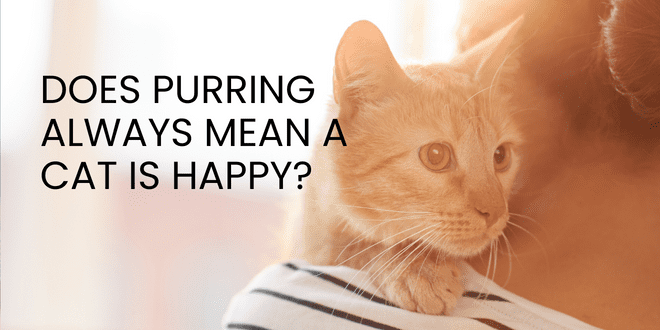
The primary takeaway for cat owners is this: Purring is not synonymous with happiness. While it is often present during moments of extreme comfort, it is equally prevalent during moments of extreme duress. Recognizing this duality is the first step toward responsible pet ownership. If a cat is purring while hiding under a bed during a thunderstorm, they are not necessarily "happy"—they are likely engaging in a self-soothing ritual.
Chronology: The Purr from Infancy to Maturity
The functional life of a purr begins almost the moment a kitten enters the world.
The Neonatal Period
Kittens are born both deaf and blind. In those first few days of life, their world is limited to touch, scent, and vibration. The mother cat’s purr serves as a "homing beacon." The rhythmic pulse acts as a physical signal that guides the kittens toward the warmth of the mother’s body and the source of their nourishment. It is the first medium of communication, establishing a tactile bond that ensures the survival of the litter.
The Developmental Phase
As kittens grow, they begin to mimic this sound. By the time they reach a few weeks of age, the purr becomes a social tool. It is used to signal to the mother that they are healthy, present, and content. This serves to reinforce the maternal bond, ensuring the queen remains attentive and protective.
Adulthood and Beyond
In adult cats, the purr evolves into a multifaceted behavior. While the social bonding aspect remains, it becomes integrated into the cat’s broader behavioral repertoire, utilized for everything from conflict resolution to managing physical trauma.
The Mechanics of Self-Soothing and Stress Management
One of the most profound revelations in feline behavior is the use of the purr as a "coping mechanism." When a cat faces a stressful environment—such as a visit to the veterinarian or the presence of an unfamiliar animal—they may begin to purr.
This behavior is analogous to a nervous human whistling in the dark or maintaining a forced smile during a high-pressure situation. By producing this low-frequency vibration, the cat is essentially attempting to lower their own heart rate and blood pressure. It is a biological feedback loop designed to calm the nervous system. In this context, the purr acts as a physiological buffer against the spike in cortisol (the stress hormone) that accompanies fear.

The "Healing" Purr: Supporting Data and Medical Implications
Perhaps the most fascinating aspect of the feline purr is the potential medical utility of its frequency. Scientific research into the mechanics of feline bones and tissues has led to a compelling theory: the cat’s purr may actually facilitate healing.
Vibrational Therapy
The frequency of a domestic cat’s purr—between 25 and 150 Hertz—is considered the optimal range for promoting bone density and tissue repair. Studies in therapeutic ultrasound and vibration therapy have shown that vibrations within this specific range can help improve bone strength and accelerate the healing of fractures.
The Evolutionary Advantage
There is a prevailing hypothesis among evolutionary biologists that cats developed this ability as a survival mechanism. Because cats are ambush predators that spend significant amounts of time sleeping and conserving energy, their bodies are prone to bone and muscle atrophy. The purr may serve as a "low-energy" way to keep their musculoskeletal system in peak condition, even during long periods of inactivity. This would explain why cats purr when they are injured or even while undergoing surgery; the body is literally vibrating itself toward recovery.
Official Responses and Expert Perspectives
Renowned feline behaviorist Pam Johnson-Bennett has long emphasized that owners must move beyond the "happy cat" narrative. Her extensive work in the field suggests that the most critical aspect of caring for a cat is understanding the context of their vocalizations and behaviors.
According to behavioral experts, if a cat is purring in a way that seems out of place—such as during an injury or when they appear to be in distress—it should be treated as a red flag rather than a sign of comfort. Experts advise owners to look for "contextual clues." A cat that is purring with eyes closed, ears forward, and a relaxed tail is likely content. A cat that is purring while panting, hiding, or displaying dilated pupils is likely in pain or experiencing significant anxiety.

Implications for Modern Pet Care
Understanding the true nature of the purr has significant implications for how we interact with our feline companions.
- Redefining "Contentment": Owners should not assume a cat is happy simply because it is making a sound. If your cat is in a high-stress situation, your goal should be to provide a quiet, secure environment, not to assume they are enjoying the ordeal because they are purring.
- Monitoring Health: Because cats purr when they are ill or in pain, a sudden change in the frequency, duration, or volume of a cat’s purr can be an early indicator of a health issue. A cat that never purrs suddenly beginning to do so could be a sign of internal discomfort.
- The Importance of Environment: Recognizing that the purr is a self-soothing tool reinforces the need for "safe spaces" in the home. Cats require areas where they can retreat to process stress, and their ability to purr is just one part of their self-regulation toolkit.
Conclusion: A Symphony of Survival
The domestic cat is a master of subtlety. From the twitch of an ear to the flick of a tail, every gesture serves a purpose. The purr, once dismissed as a simple sign of joy, is revealed to be a far more complex instrument. It is a bridge between mother and kitten, a shield against stress, and potentially, a natural healing agent that has helped the species survive for millennia.
As owners, our role is to listen—not just with our ears, but with our observation. By recognizing the full spectrum of the feline purr, we honor the evolutionary complexity of these remarkable animals and, in turn, provide them with the nuanced care they deserve. Whether it is a soft, engine-like hum on a quiet afternoon or a subtle vibration during a moment of distress, the purr remains the definitive soundtrack of the feline experience.
For further insights into feline psychology and to deepen your bond with your cat, explore the comprehensive collection of behavioral guides by Pam Johnson-Bennett. Her work remains a cornerstone for those seeking to bridge the communication gap between human and feline.