For millions of pet owners, the ritual is the same: they open a bag or can, pour the contents into a bowl, and trust that the product provides the precise, life-sustaining nutrition their companion requires. This trust is anchored in the belief that the pet food industry is heavily regulated, monitored by eagle-eyed government agencies ensuring that every gram of kibble meets rigorous safety and nutritional standards.
However, beneath the surface of this multi-billion-dollar industry lies a startling reality: the regulatory framework governing pet food is largely an "honor system." While a complex web of state and federal laws exists on paper, the practical enforcement of these laws is virtually non-existent. When it comes to the actual composition of what our dogs and cats eat, regulatory authorities rarely, if ever, perform the laboratory analysis required to verify the claims printed on the package.
The Illusion of Nutritional Adequacy
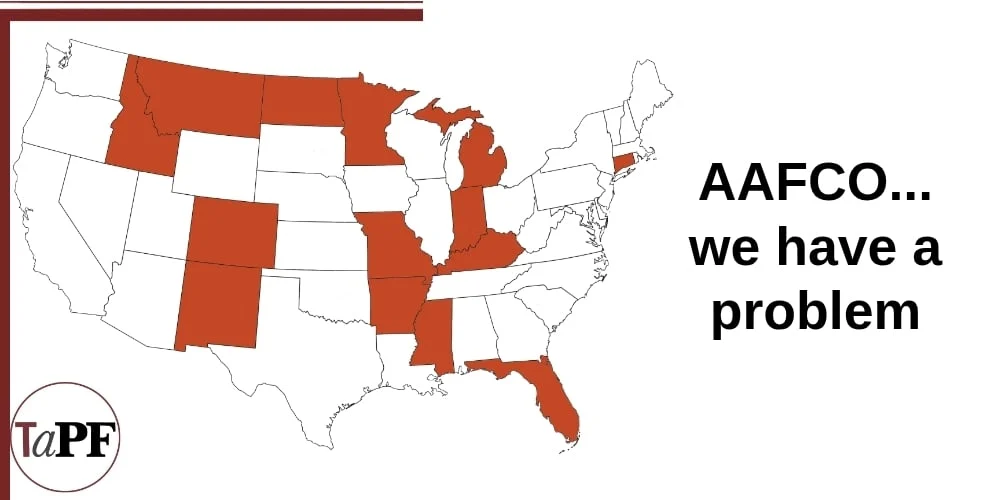
Most commercial pet foods feature a standard statement of "Nutritional Adequacy." It reads: “(Name of pet food) is formulated to meet the nutritional levels established by the AAFCO Nutrient Profiles for (Adult Maintenance or All Life Stages).”
To the average consumer, this statement serves as a seal of approval—an assurance that the product is complete and balanced. While state authorities may verify that this statement is physically printed on the label, the oversight stops there.
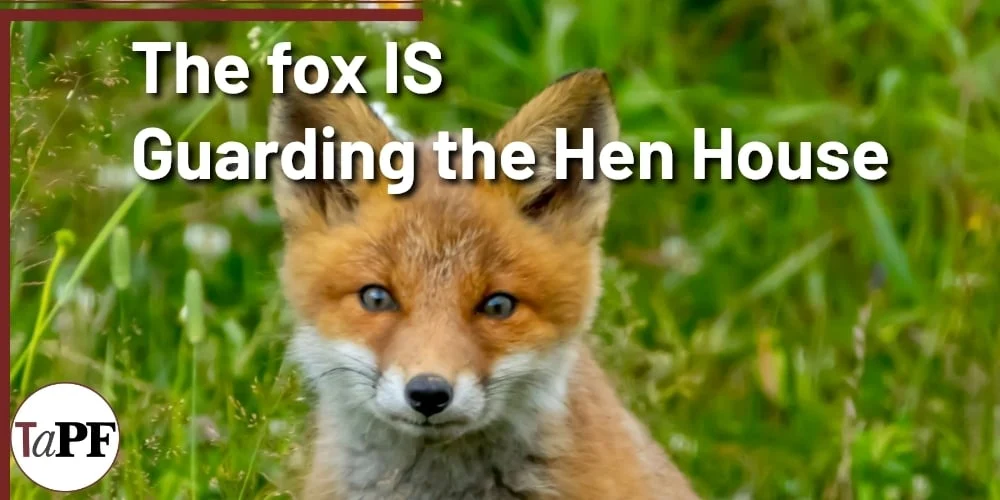
There is no systematic, mandatory laboratory testing performed by government agencies to validate these claims. Whether a product is on the shelf for one year or fifty, there is no recurring audit process to ensure the food actually meets the AAFCO profiles it claims to satisfy. The "logic" applied by regulators is circular: they assume that because a manufacturer has printed the claim on the label, they will self-regulate to ensure that claim is true. In practice, this shifts the burden of quality control entirely onto the private sector, leaving consumers with no objective verification of the food’s nutritional integrity.
Ingredient Transparency: A Statistical Mirage
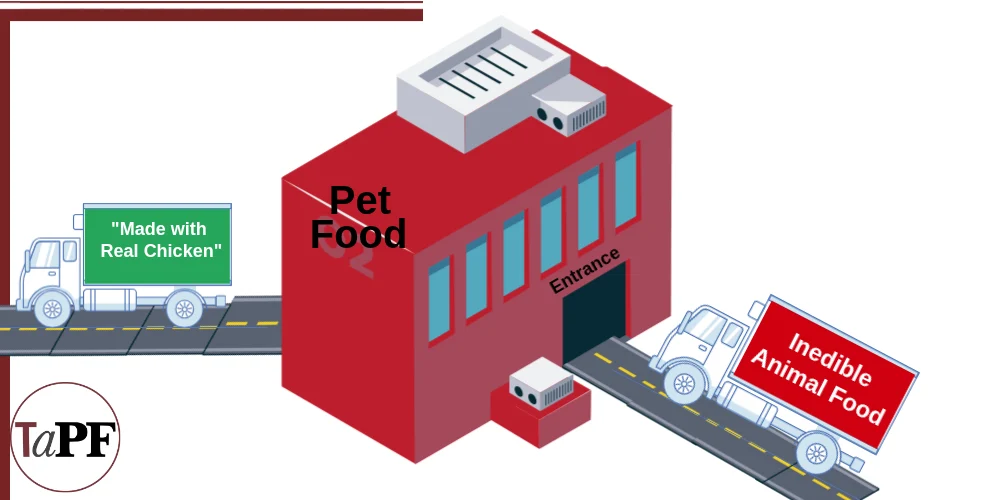
The same lack of oversight applies to ingredient lists. Manufacturers are legally required to disclose the ingredients used in their formulas, but these lists are rarely, if ever, cross-referenced against the actual contents of the bag through scientific validation.
There are no random, government-mandated audits or DNA analyses performed to confirm that the ingredients listed are present—or, just as importantly, that they are the only ingredients present. Regulatory bodies operate under the assumption that the threat of future litigation or public relations disasters is sufficient to keep manufacturers honest. However, history suggests that the profit motive often supersedes the incentive for perfect compliance.
A Chronology of Failure: When the Honor System Collapses
The consequences of this hands-off approach are not merely theoretical; they have manifested in devastating health crises for pets across the country.
The 2019 Hill’s Science Diet Crisis
Perhaps the most notable example of the failure of self-regulation occurred in 2019, when Hill’s Pet Nutrition issued a massive voluntary recall of select canned dog foods. The culprit? Excessive Vitamin D. This was not a minor labeling error; it was a nutritional imbalance capable of causing severe illness and death.
Crucially, this recall only occurred after pets became sick and died, and after external reports triggered internal reviews. The regulatory bodies did not catch the issue through proactive testing; they were notified of the fallout after the damage was already done.

The Data Gap: Millions of Pounds Recalled
Since 2018, more than 12.5 million pounds of pet food have been recalled across the industry due to vitamin and mineral imbalances—either deficiencies or toxic excesses. These statistics represent only the tip of the iceberg, as they reflect only the incidents that were caught. If the industry were under rigorous, proactive, and random laboratory surveillance, one has to wonder how many more deficiencies or contamination events would be discovered before they reached the food bowl.
Supporting Data: What’s Really in the Bag?
Independent research has repeatedly highlighted the discrepancies between marketing and reality. A study conducted by the University of New Mexico sought to investigate the contents of various pet foods, and the findings were alarming.
Researchers tested six different samples of pet food, and in every single case, the results contradicted the labels:
- Sample 1: Contained 12 undisclosed ingredients.
- Sample 2: Contained 14 undisclosed ingredients.
- Sample 3: Contained 17 undisclosed ingredients.
- Sample 4: Contained 12 undisclosed ingredients.
- Sample 5: Contained 17 undisclosed ingredients.
- Sample 6: Contained 13 undisclosed ingredients.
Perhaps most disturbing was the detection of dog DNA in two of the dog food samples tested. While the specific nature of these ingredients (whether cross-contamination or intentional substitution) remains a subject of debate, the fact remains that the labels were fundamentally inaccurate. These studies prove that the "honor system" is not merely an inefficient policy—it is a failed one.
The Implications: Why Regulatory Change is Urgent
The current state of affairs places the American pet owner in an impossible position. They are expected to trust a label that has no third-party scientific backing, while their pets consume these products daily. When a company knows that no government agency is performing random, full-scale nutritional analysis or validating ingredient integrity, the pressure to cut costs by substituting ingredients or neglecting quality control increases significantly.
The implications for pet health are long-term and often silent. Chronic nutritional imbalances can lead to organ failure, metabolic disorders, and immune system degradation—issues that may not be traced back to the food until it is too late.
Proposed Solutions: Moving Toward Accountability
To restore integrity to the pet food industry, the reliance on the honor system must end. Advocacy groups and industry watchdogs, such as the Association for Truth in Pet Food, have proposed a more rigorous framework:
- Mandatory Random Testing: The FDA and state regulatory authorities should implement a consistent, randomized program of laboratory testing for all major pet food brands.
- The "Polluter Pays" Model: To offset the costs of such an ambitious program, the financial burden should fall on the non-compliant. If a brand is found to be in violation of its label claims, that manufacturer should be required to pay for the initial testing and bear the cost of five years of mandatory future monitoring.
- Public Transparency: All test results—both positive and negative—should be made accessible to the public on the FDA’s website. Consumers deserve to know which brands demonstrate consistent compliance and which brands have been flagged for inaccuracies.
Consumer Empowerment: What You Can Do Today
While we wait for regulatory reform, pet owners are not entirely powerless. The reality is that some pet food companies have recognized the lack of government oversight and have taken it upon themselves to be better.
- Demand Transparency: Contact your pet food manufacturer directly. Ask them specific questions: "What independent, third-party testing do you perform on your ingredients?" and "Are your manufacturing facilities audited by third-party safety organizations?"
- Seek Out Audited Facilities: Companies that go the extra mile often advertise their third-party certifications. These companies are generally more transparent and less reliant on the "honor system" because they invite external verification.
- Stay Informed: Organizations like the Association for Truth in Pet Food and resources provided by consumer advocates like Susan Thixton offer updated lists of trusted manufacturers. While these lists are not substitutes for government regulation, they provide a starting point for owners who want to avoid brands with histories of poor compliance.
Conclusion
The pet food industry is currently operating in a "Wild West" environment where the label is merely a suggestion rather than a scientific guarantee. We have seen the cost of this complacency in the millions of pounds of recalled food and the thousands of pets impacted by avoidable nutritional failures.
It is time for the FDA and state regulators to transition from a passive oversight role to an active enforcement role. Our pets are not just property; they are family members whose lives depend entirely on the choices we make for them. Those choices should be backed by science, verified by data, and held to the highest possible standard of integrity. Until the honor system is replaced by a system of rigorous, mandatory, and public testing, the best protection for our pets is an informed and skeptical consumer base that demands better from those who feed our companions.