In the world of dog training, "positive reinforcement" is often touted as the gold standard—a simple, elegant philosophy of rewarding desired behaviors to encourage their repetition. Yet, beneath this seemingly straightforward concept lies a complex landscape of human error. Even the most dedicated owners frequently fall into the trap of "poisoning the cue," inadvertently turning what they believe is a reward into a source of discomfort or punishment.
As renowned animal behaviorist Patricia McConnell suggests, the bridge between human intention and canine reception is often narrower than we realize. Understanding this gap is essential for anyone looking to build a more harmonious, trust-based relationship with their companion.
The Subtle Art of "Poisoning the Cue"
At its core, positive reinforcement requires that the consequence of an action be perceived by the animal as genuinely rewarding. When we reward a dog with something they find aversive—even if we do it with the best of intentions—we are essentially punishing the behavior we intended to encourage.

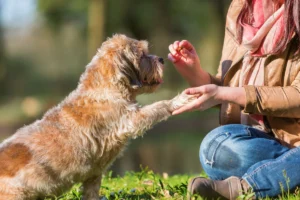
One of the most common, yet overlooked, examples of this is the "pat-pat-pat" on the head. Owners frequently call their puppies to them and, upon arrival, immediately pat the top of the dog’s head. While the human perceives this as an affectionate gesture of praise, many dogs experience it as an intrusive, threatening, or uncomfortable sensation.
As noted in an excerpt from the upcoming updated edition of The Puppy Primer, observation is key: "If you watch for it, you can see the dogs ducking down and turning their heads away as if they didn’t like it." By ignoring these subtle body language cues—the avoidance, the stiffening, the head-turning—owners inadvertently create a negative association with the act of "coming when called." This is the definition of poisoning a cue: turning a neutral or positive command into something the dog eventually learns to avoid or approach with hesitation.
Recognizing the Signs of Discomfort
To master positive reinforcement, one must become a student of canine body language. The difference between a happy, reinforced dog and one that is tolerating an unpleasant interaction is often found in the "wag."

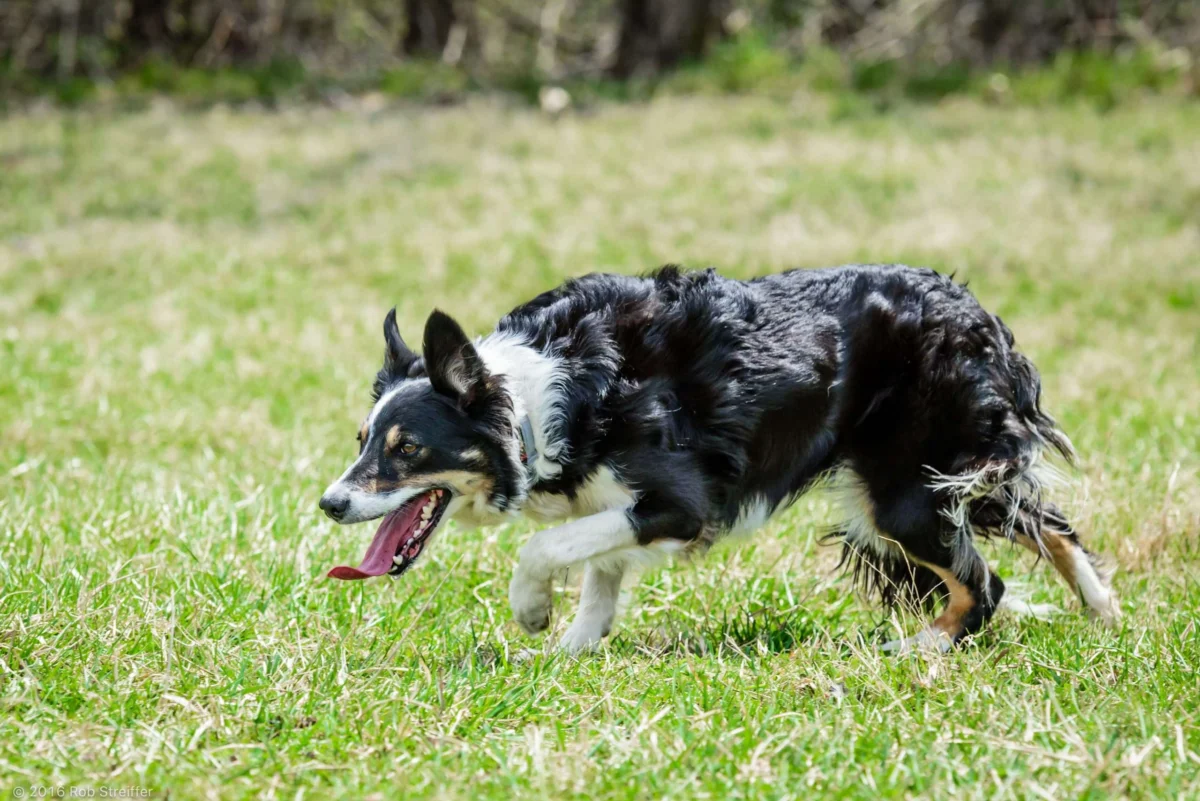
- Positive Indicators: A dog that is truly reinforced will display loose, wiggly body language, often "wagging from the shoulders back." Their eyes will remain soft, and their posture will be relaxed and oriented toward the owner.
- Negative Indicators: A dog that is being "punished" by an interaction—even a well-meaning one—will often turn their head away, close their mouth, stiffen their muscles, or attempt to leave the proximity of the handler.
A Practical Challenge for Pet Owners
To improve training outcomes, owners must shift their focus from their own desires to their dog’s experience. The challenge is simple but requires significant mental discipline: spend the next few days observing your dog’s response to your rewards.
Implementing an Observation Log
You do not need an elaborate system to track these interactions. A simple, informal journal can be transformative. Focus on one or two specific behaviors—perhaps "sit" or "recall"—and document the following:
- The Cue: What command did you give?
- The Reward: What was the intended positive reinforcement (e.g., a head pat, a verbal "good boy," a treat)?
- The Response: Did the dog show signs of joy, or did they exhibit signs of conflict or avoidance?
By documenting these interactions, patterns will emerge. You may find that your dog loves a scratch behind the ears but dislikes the top of the head, or that a specific tone of voice triggers a submissive, rather than confident, response.

Implications for Training and Ethics
The ethical implications of these minor, daily errors are significant. When we "poison" a cue, we degrade the dog’s trust in our communication. Over time, this leads to a "chilling effect" where the dog becomes less responsive to commands not because they are disobedient, but because they have learned that complying leads to an experience they find unpleasant or confusing.
The professional training community emphasizes that the "currency" of reward is determined solely by the recipient, not the giver. If a dog finds a head pat aversive, it is not a reward—it is a correction. By adjusting our expectations and refining our physical interactions, we move toward a more ethical, empathetic, and effective training methodology.
Upcoming Events and Educational Opportunities
The conversation around canine welfare and effective communication continues at several upcoming events scheduled for the remainder of 2026. These gatherings offer a platform for experts and owners to discuss the nuances of human-animal interaction.

2026 Schedule Highlights
- July 25, 2026: Minocqua (WI) Public Library (1-3 PM CT). An intimate session focusing on canine behavior and the release of new literature.
- September 15, 2026: Bark Fest. A collaborative discussion with Zazie Todd and Kristi Benson, focusing on the latest in companion animal psychology.
- September 17 & 24, 2026: Library and bookstore appearances in Boscobel and Madison, WI, respectively.
- October 7-10, 2026: CANIS Conference (Schaumburg, IL). This event will feature a "Story Circle" on October 8th, providing a space for meaningful, slow-paced conversation about the challenges and joys of living with dogs. A panel discussion on welfare and ethics will also take place, addressing the critical standards of the industry.
- October 15-18, 2026: Wisconsin Book Festival. A celebration of the 25th anniversary, featuring insights into the latest canine-focused publications.
- November 14, 2026: Janesville-Beloit Kennel Club. A dedicated talk regarding the intersection of literature and canine companionship.
Chronology of Progress and Personal Reflection
The path to better dog training is rarely linear. It involves constant adjustment, reflection, and, occasionally, the humbling realization that our own habits are the greatest barrier to our dog’s success.
Reflecting on the recent past, the summer of 2026 has been marked by a period of intensive work. As the updated version of The Puppy Primer nears its October launch, the focus remains on distilling complex behavioral science into actionable, user-friendly advice. This period of reflection has also been a time for personal growth, balancing the demands of writing, public speaking, and the daily maintenance of life on the farm.
The Reality of Life on the Farm
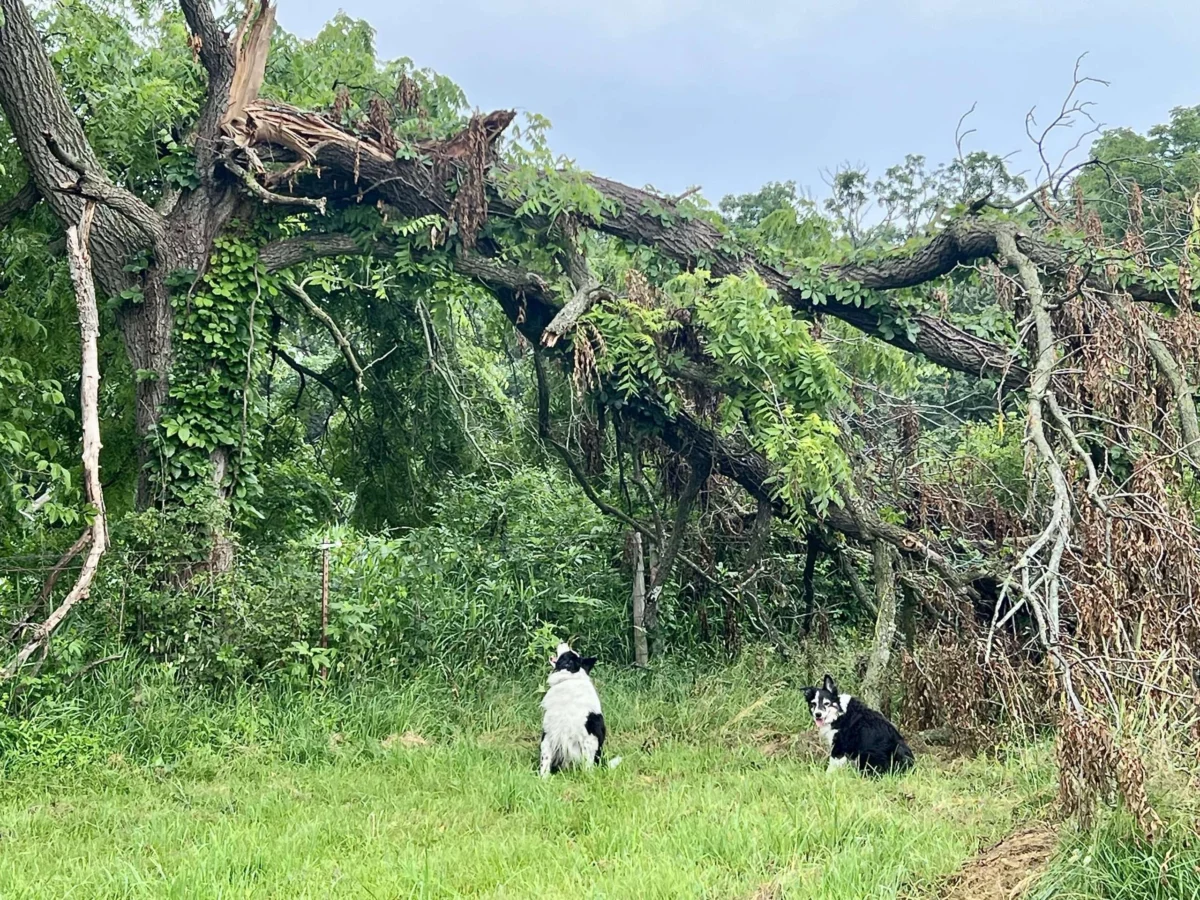
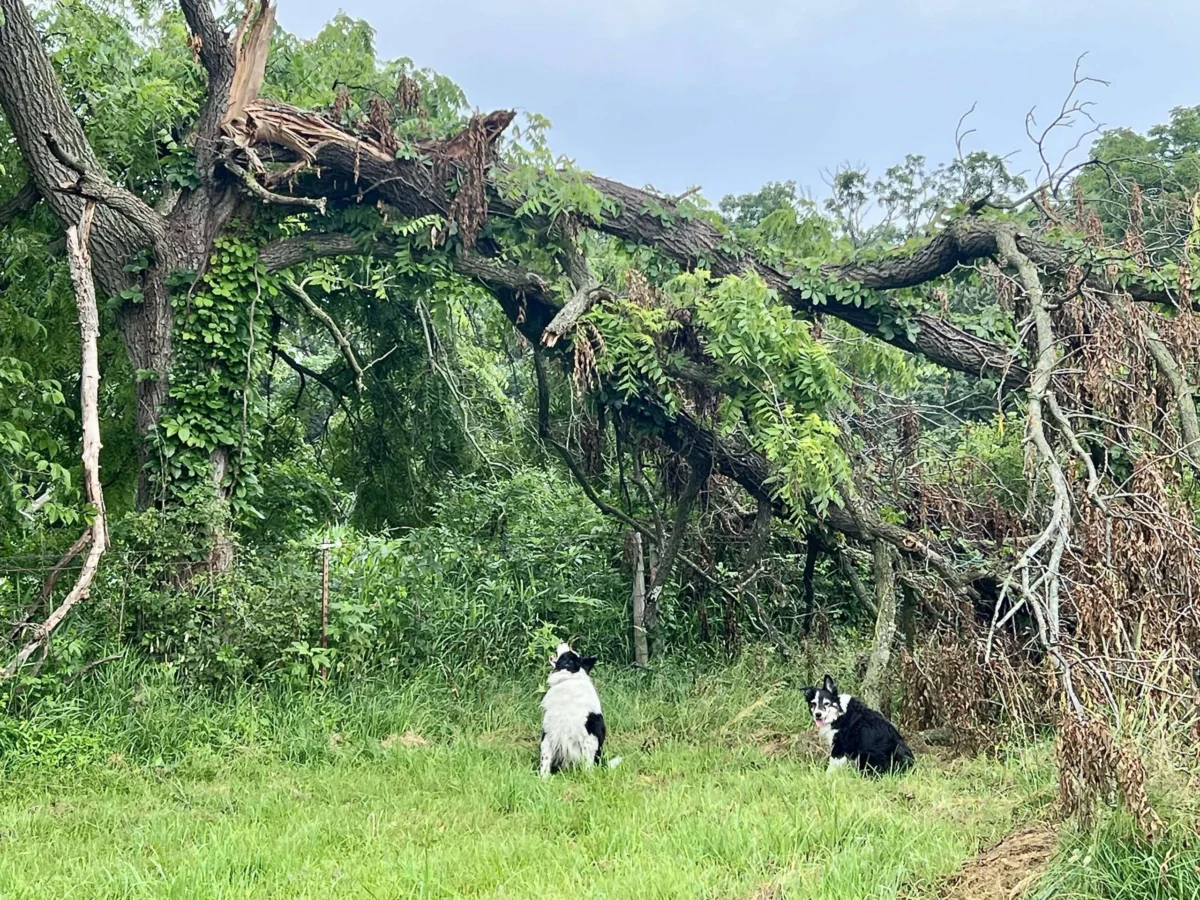
Life with dogs is as much about the "in-between" moments as it is about the training sessions. Recent events, such as the cleanup following a severe wind storm, have served as a reminder of the resilience required in both nature and animal management. Whether it is navigating the physical limitations of an injury or managing the candid, often humorous, reality of a "photo-shoot" with a dog who would clearly rather be anywhere else, these experiences ground the theoretical work of dog training in the messy, wonderful reality of daily life.

As we move through the remainder of the year, the goal remains consistent: to foster a deeper understanding of our canine counterparts. Whether through reading, attending conferences, or simply watching our dogs with a more critical and empathetic eye, we all have the opportunity to refine our communication.
In conclusion, the next time you reach out to pat your dog, pause. Consider their body language. Are they leaning into the touch, or are they subtly pulling away? By asking these questions, we don’t just become better trainers; we become better partners to the animals who share our lives. May your upcoming weeks be filled with intentional, joyful, and clear communication—and may you always have a clear view of your dog’s response.