
Main Facts: A Story of Compassion and Continuity
In the complex world of animal rescue, the narrative of a single dog often serves as a microcosm for the collective effort required to save lives. Binky—a puppy rescued from the perilous shoulder of a busy highway—recently transformed into "Juju," a thriving member of a loving family. Her journey, however, is defined not just by the change in her circumstances, but by a unique bridge of empathy constructed between a young foster parent and a future adopter.
When Binky arrived at the North Shore Animal League America via their rescue partners, Friends of Jefferson Animals, she carried with her more than just the physical scars of her early life. She arrived with a handwritten letter from her foster guardian, Madi. This letter, a testament to the emotional investment of foster families, would eventually become the cornerstone of Juju’s transition into her forever home. It serves as a poignant reminder that the "rescue" process is not a clinical transaction, but a collaborative human experience that prioritizes the long-term well-being of the animal.
Chronology: From Peril to Promise
The timeline of Binky’s life is a story of three distinct phases: the struggle for survival, the period of intensive care, and the transition to a permanent environment.
The Rescue and Recovery
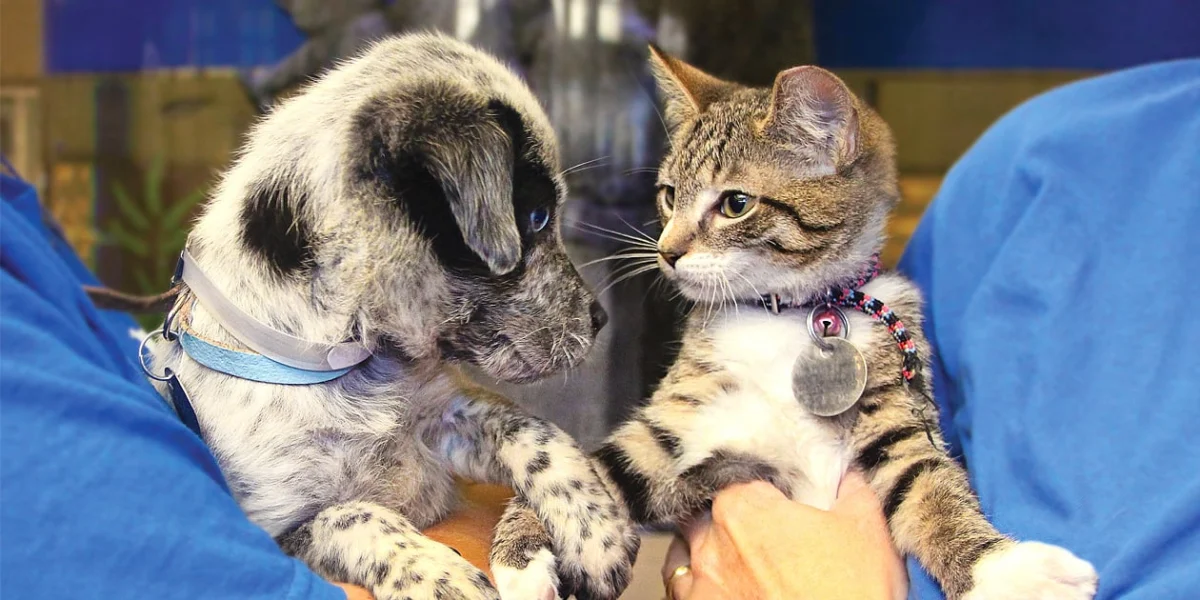
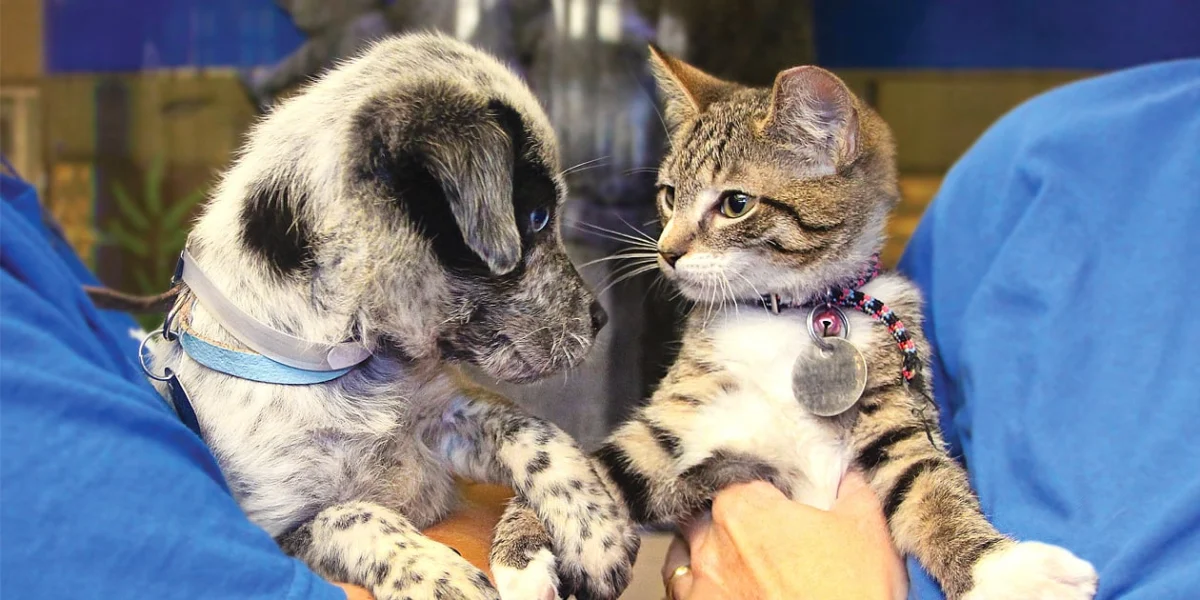
Binky’s life began in high-stakes instability. Found abandoned near a high-traffic highway, she was initially categorized as a "sick little thing." Her rescue by Friends of Jefferson Animals provided the first step toward safety. However, the true transformation occurred under the care of her foster, Madi.
During her foster tenure, Madi provided the essential groundwork for Binky’s development. This was not merely about sustenance; it was about socialization. Madi invested significant time in basic behavioral training, teaching the puppy how to sit and ensuring she felt secure in a domestic environment. This period was critical in moving Binky from a state of survival-mode trauma to a state of readiness for adoption.
The Adoption Bridge
When the time came for Binky to move to her permanent family, the rescue organization took the unusual step of facilitating a direct line of communication between the foster and the adopter. The letter Madi penned—detailing the puppy’s personality, her love for being photographed, and her resilience—was handed directly to the new family.
The response from the adoptive family was immediate and deeply appreciative. Recognizing that the puppy’s success was built on the foundation Madi had laid, they responded with their own letter, bridging the gap between the temporary caregiver and the permanent guardian.
Life as Juju
Today, the puppy formerly known as Binky is known as Juju. She now resides in a multi-pet household, integrating into a family that includes three human siblings and two established rescue dogs: Jasper, a four-year-old pittie mix, and Judah, a nine-year-old shepherd mix. Her integration has been a dynamic process, with Jasper acting as her primary playmate and mentor, while Judah remains in a state of cautious, elder observation.
Supporting Data: The Impact of Fostering
The success of Juju’s placement is supported by broader trends within the animal rescue community. Data from the Association for Animal Welfare Advancement indicates that animals who spend time in foster care rather than kennel environments exhibit lower cortisol levels and higher rates of successful, permanent placement.
The Role of Foster-Adopter Communication
Industry research suggests that "transparent handoffs"—where foster parents provide detailed behavioral notes and personal anecdotes to adopters—reduce the rate of "return-to-shelter" incidents. By humanizing the animal, the foster parent manages the expectations of the adopter. When Madi wrote, "I easily fell in love with this girl and same for her," she was not just writing a note; she was providing an emotional endorsement that validated the adopter’s decision to bring the puppy home.

Canine Socialization Metrics
Juju’s development, from a sickly rescue to a thriving family pet, highlights the necessity of early-stage training. The American Kennel Club (AKC) notes that the "socialization window" for puppies is crucial for developing confidence. By introducing Binky to human affection, basic commands, and the presence of other animals in a controlled foster environment, Madi essentially acted as a bridge to the puppy’s future social stability.
Official Responses and Perspectives
Representatives from the animal welfare organizations involved in this story emphasize that the "Binky/Juju" case serves as a model for how rescue agencies should operate.
The Perspective of Rescue Coordinators
"The role of the foster parent is often underestimated," says a spokesperson for the rescue organization. "They are the ones in the trenches, cleaning, training, and loving an animal that is often at their most vulnerable. When we facilitate that connection between the foster and the adopter, we are creating a support network for the dog. It makes the adopters feel like they are part of a larger, caring community."
The Adopter’s Viewpoint
In their correspondence back to Madi, the adoptive family expressed deep gratitude for the "head start" they were given. "We didn’t just adopt a dog; we adopted a personality that had been nurtured," the family wrote. "Knowing what she had been through and seeing how much she had already learned gave us the confidence to integrate her into our pack of three children and two other dogs."
Implications: The Future of Animal Advocacy
The story of Juju and her foster, Madi, suggests a significant shift in how animal shelters and rescues are approaching the "adoption experience."
1. Transparency as a Standard
The move away from opaque, transactional adoption models toward "open-adoption" practices—where information, histories, and even direct contact between foster and adopter are encouraged—is becoming the industry gold standard. This transparency fosters a sense of accountability and shared responsibility for the animal’s life.
2. Emotional Continuity
The concept of "emotional continuity" for animals is a growing field of study. When an animal moves from a foster home to a permanent home, the stress of the transition is often high. By sharing the foster’s letter, the adopters were able to maintain a sense of familiarity with the puppy’s background, perhaps even mirroring the routines and language used by the foster parent. This continuity helps the animal adjust faster and reduces the risk of behavioral regression.
3. The Power of the "Human Narrative"
Finally, this story underscores the importance of storytelling in animal welfare. In an era where many potential adopters are overwhelmed by the number of animals in need, the specific, individual narrative of a puppy like Binky—her rescue from the highway, her recovery, and her transition—acts as a powerful catalyst for engagement. It shifts the focus from "adopting a pet" to "participating in a journey."
Conclusion: A Beautiful Life
The story of Juju is one of synergy. It took the rescue workers to identify her need, the foster family to provide the sanctuary of care, and the adoptive family to provide the promise of a lifetime. By working in tandem, these individuals ensured that a puppy once left to fend for herself on the side of a highway now has a bed to sleep in, a pack to run with, and a family that cherishes her history.
As Juju continues to grow alongside Jasper and Judah, she stands as a living testament to the efficacy of compassionate, collaborative rescue. Her life is the result of many caring hands, proving that when the community comes together to advocate for the most vulnerable, the result is not just a rescued animal, but a rescued spirit—one that is now, finally, home.