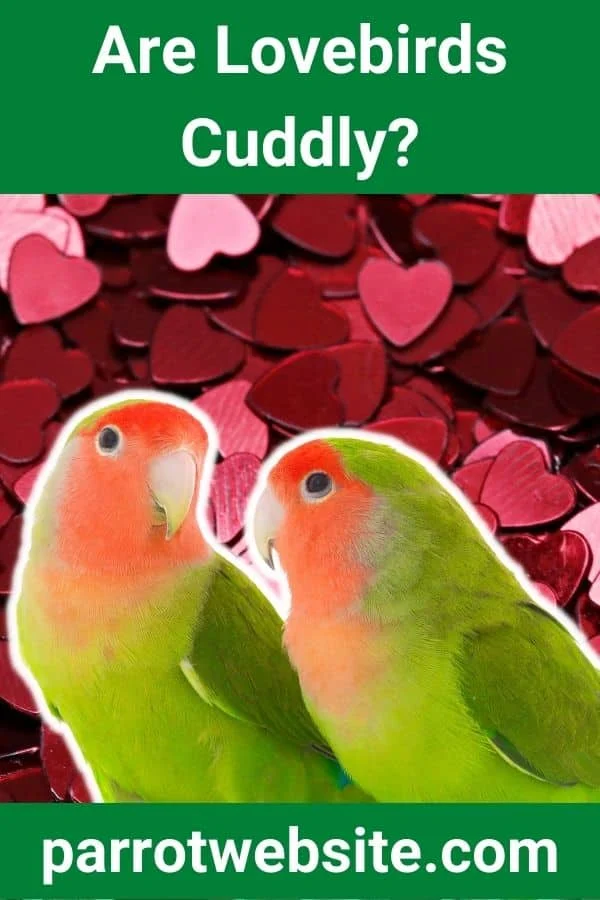
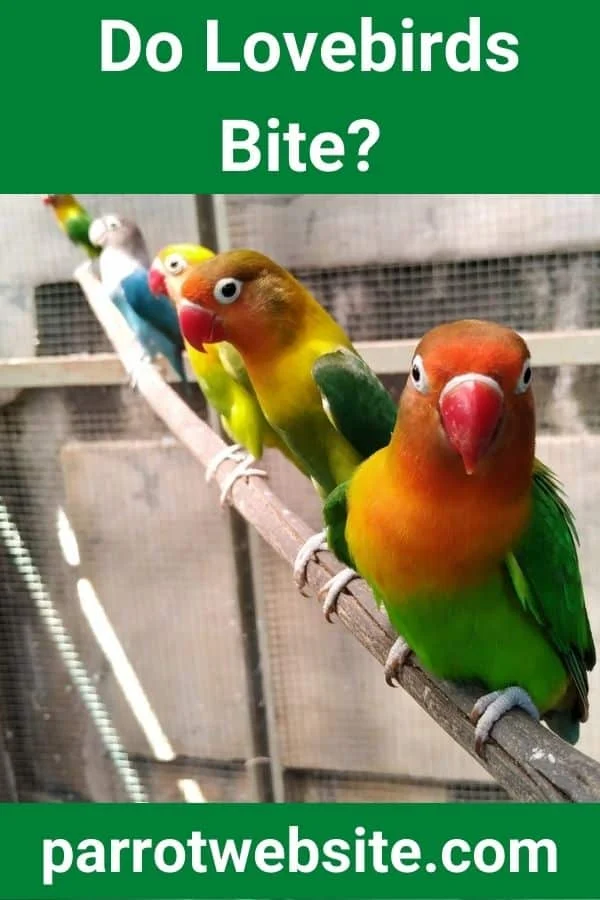
When a friend recently visited my home with her young children, the air was thick with excitement. The children, wide-eyed and eager, were desperate to meet my flock of parrots. As any bird enthusiast knows, lovebirds are brimming with personality, intelligence, and a charm that is difficult to resist. However, amidst the giggles and the fluttering of wings, my friend pulled me aside with a look of apprehension. She had been considering her children’s persistent requests for a pet bird but harbored a common, nagging concern: "Do lovebirds bite?"
It is a question that sits at the forefront of every prospective bird owner’s mind. While the name "lovebird" suggests a creature of purely affectionate temperament, the reality is far more nuanced. As the popularity of these miniature parrots grows, so too does the need for a comprehensive understanding of their behavioral patterns, the origins of their aggression, and the responsibilities inherent in their care.
Main Facts: The Nature of the Lovebird
To understand the lovebird (Agapornis), one must first look past the romanticized moniker. These are not merely decorative, docile ornaments; they are highly intelligent, social, and complex psittacine birds.
The fundamental truth is that lovebirds are capable of biting. However, viewing this as an inherent "character flaw" is a misunderstanding of avian psychology. Biting in parrots is rarely an act of malice; it is a form of communication. Because birds lack hands to explore their environment or express frustration, the beak becomes their primary tool for interaction—and, when necessary, defense.
When a lovebird is properly socialized, ethically bred, and mentally stimulated, biting is rarely an issue. Conversely, when a bird is neglected, fearful, or territorial, biting becomes a standard defense mechanism. The capacity for a "nippy" demeanor is often a reflection of the environment provided by the owner rather than an immutable trait of the species.
Chronology: The Journey from Breeder to Home
The behavioral trajectory of a lovebird begins long before it arrives in your living room. The life cycle of a well-adjusted pet bird can be categorized into three critical stages:
1. The Formative Period (Breeder Selection)
The most critical factor in preventing future aggression is the breeder. A lovebird that has not been hand-raised—meaning it was not socialized with humans during its early development—will likely remain fearful of people. A wild-reared or "parent-raised" bird often views human hands as a threat rather than a companion. Purchasing from a reputable breeder who prioritizes human-bird interaction is the single most effective way to ensure a gentle pet.
2. The Integration Phase (Socialization)
Once the bird is in the home, the "integration phase" begins. This is where the bird learns its place within the family dynamic. During this time, the owner must teach the bird that biting is an unacceptable way to communicate. This involves consistent boundaries, positive reinforcement, and avoiding situations that trigger the bird’s "fight or flight" response.
3. The Maturation Phase (Hormonal Changes)
As lovebirds reach sexual maturity, their behavior often shifts. This is the stage where owners are most likely to encounter sudden aggression. A bird that was once a sweet, cuddly companion may suddenly become territorial, moody, or possessive. Recognizing these cycles is essential for any owner.
Supporting Data: Factors Influencing Aggression
While individual personality plays a massive role, there are biological and environmental variables that contribute to biting behavior.
The Sexual Divide
One of the most significant predictors of aggression is the sex of the bird. Female lovebirds are notoriously more territorial than their male counterparts. In the wild, females are responsible for nest construction and defense, a trait that translates into the home environment as heightened protectiveness over their cage or their favorite human. If you are specifically concerned about biting, data suggests that male lovebirds tend to be more docile and less prone to defensive posturing.
The Jealousy Factor
Lovebirds are "pair-bonding" creatures. In the wild, they select a mate and remain with that individual for life. In a domestic setting, they often transfer this intense loyalty to one specific human. If that human begins interacting with others—or if the bird perceives a threat to its bond—it may lash out. This jealousy-based aggression is a common trigger for biting and requires careful, consistent socialization with all members of the household to mitigate.
Official Perspectives: Behavioral Health and Veterinary Advice
Veterinary behaviorists emphasize that biting is almost always a symptom of a deeper issue. If a bird begins to bite suddenly, it is rarely a behavioral "phase"; it is usually an indicator of stress, physical discomfort, or environmental deficiency.
The Role of Environmental Enrichment
A bored lovebird is a frustrated lovebird. These creatures possess the cognitive capacity of a toddler and require constant stimulation. If a bird lacks foraging toys, social interaction, or adequate flight time, it will inevitably turn to destructive behaviors—including biting—to vent its energy. Veterinary advice consistently underscores that "behavioral health" is inextricably linked to physical enrichment.
When to Seek Professional Help
If biting becomes an entrenched habit, it is time to consult an avian veterinarian. Experts look for underlying health issues, such as chronic pain or nutritional deficiencies, that might make a bird irritable. If the bird is physically healthy, a specialist can guide the owner through "desensitization" techniques, which teach the bird to trust hands again rather than fearing them.
Implications: The Reality of Ownership
The decision to bring a lovebird into a home with children comes with significant implications. While the injuries from a lovebird bite are rarely life-threatening, they can be painful, especially for young children who may not know how to read the bird’s subtle body language.
Understanding the "Nip"
A lovebird’s beak is designed to crack tough seeds and hollow out wood; it is a powerful tool. A warning nip is a bird’s way of saying, "I am uncomfortable." If that warning is ignored, a harder, defensive bite usually follows. It is the responsibility of the adult owner to teach children how to read these signs—such as a crouched posture, dilated pupils, or a sharp, flicking movement of the head—to avoid being bitten.
A Long-Term Commitment
Owning a parrot is not a passive hobby; it is an active relationship. A lovebird can live for 10 to 15 years, and throughout those years, it will have good days and bad days. The implication for the owner is clear: you must be prepared to handle the days when the bird does not want to play. Forcing interaction with a bird that is clearly "off" is the quickest way to invite a bite.
Conclusion: Bridging the Gap Between Human and Bird
So, do lovebirds bite? The answer is a qualified "yes," but one that comes with a caveat: biting is a manageable, often preventable behavior.
If you are considering these vibrant, affectionate, and intelligent birds, your success depends on your preparation. Do not rush into the decision. Research the breeder, understand the temperament of the sex you are choosing, and prepare your household for the realities of avian life.
If you are willing to invest the time in training, socialization, and proper care, a lovebird can be one of the most rewarding companions you will ever know. The "love" in their name is well-earned, provided that you are willing to learn their language. By respecting their boundaries, understanding their instincts, and providing a stimulating environment, you ensure that your home remains a place of harmony rather than a place of conflict. Owning a lovebird is a journey of mutual learning—a testament to the fact that with enough patience, even the smallest creature can form a bond that is truly life-changing.