For many dog owners, the routine administration of medication or essential grooming tasks can turn into a high-stakes standoff. When the medical necessity involves a lifelong commitment—such as managing a chronic condition—the stress of daily handling can erode the bond between pet and owner. However, a revolutionary approach to animal husbandry, known as the "Bucket Game," is changing the narrative, transforming stressful medical procedures into exercises of mutual trust, agency, and cooperation.
The Challenge of Chronic Care: A Case Study in Pannus
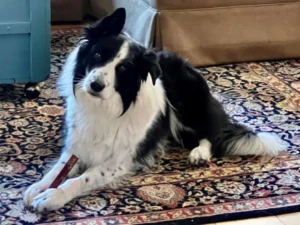
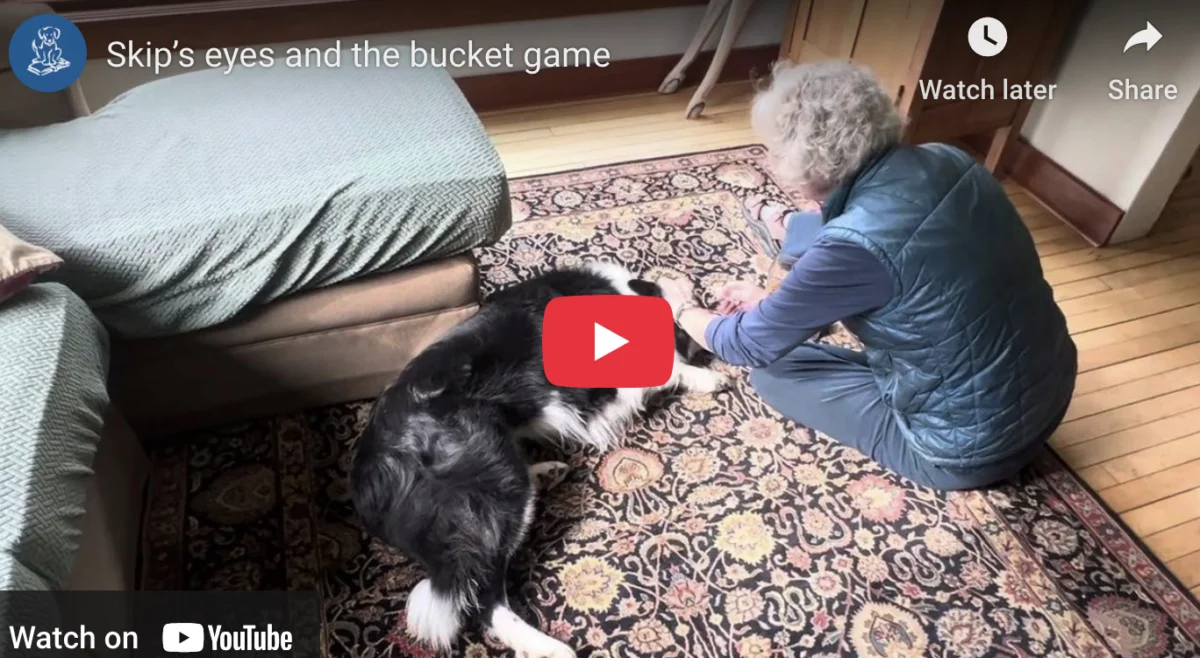
Skip, an intelligent and biddable dog known by many as "Mr. Wonderful," recently faced a diagnosis that would change his daily routine forever. During a routine chiropractic session, Dr. Sara Greenslit of Anshen Holistic Vet Care identified symptoms of pannus, a progressive, inflammatory, immune-mediated disease of the cornea.
Pannus is a condition primarily seen in specific breeds, including German Shepherds, Greyhounds, and Border Collies, and is widely believed to be genetically predisposed. If left untreated, the disease inevitably leads to blindness as the cornea becomes obscured by inflammatory tissue. Fortunately, pannus is manageable through daily medication—specifically, an ophthalmic ointment like Optimmune®.
However, there is a distinct clinical hurdle: unlike liquid eye drops, which can be easily administered, an eye ointment requires precise application directly into the eye. For many dogs, having a tube brought close to the eye is a terrifying experience, often triggering a defensive flight or fight response. This is where the methodology pioneered by trainer Chirag Patel, the "Bucket Game," becomes a vital medical tool rather than just a training gimmick.

The Philosophy of the Bucket Game: Establishing Agency
At its core, the Bucket Game is about providing an animal with the "choice" to participate. The premise is simple: the dog is offered a steady stream of high-value rewards (usually food) from a bucket or bowl while the owner performs a task—such as brushing, nail trimming, or medical application.
The "game" operates on a principle of consent. If the dog pulls away, stops eating, or indicates discomfort by moving away from the bucket, the handler immediately stops the procedure. By withdrawing the stimulus, the human is essentially communicating, "I hear you, and I will respect your boundaries." This simple gesture of giving the animal agency is profound. In a world where pets are often subjected to procedures they do not understand, the Bucket Game restores a sense of autonomy that is as essential to the animal’s psychological well-being as food and water.
A Chronology of Success: Training for Cooperation
For Skip and his owner, the journey to a stress-free medical routine was a gradual process spanning over a year. The training was broken down into manageable, incremental steps:
- Foundation: Establishing the "lie down and look at the bucket" behavior, paired with positive reinforcement.
- Generalization: Shaping the behavior to include lying on one side, which is necessary for clear access to the eyes.
- Desensitization: Teaching the dog to keep his head flat on the floor while the handler moves closer.
- Simulated Application: Introducing the physical sensation of having eyelids held open without the medication.
- Integration: Finally, introducing the ointment as a routine part of the game.
This methodical approach highlights a critical lesson for owners: patience is the primary ingredient. "Go much, much slower than you think," advises the author, noting that tasks should be divided into the smallest possible components. For instance, a dog anxious about nail trims should first be rewarded for simply having its paw held, long before a Dremel tool or nail clippers are ever introduced.

Supporting Data: Why "Force-Free" Produces Better Results
The implications of using consent-based training extend far beyond a single dog’s eye treatment. Behavioral science consistently demonstrates that animals who are given the ability to opt-out of a procedure are significantly less likely to develop aggressive or avoidant behaviors during future veterinary visits.
When a dog experiences fear, the sympathetic nervous system activates the "fight-flight-freeze" response. In this state, learning is inhibited, and the animal’s cortisol levels spike. By contrast, the Bucket Game keeps the animal in a calm, cognitive state, allowing for "cooperative care." This is a significant improvement over traditional, restraint-based methods, which often traumatize the animal and make future care exponentially more difficult for both the vet and the owner.
Veterinary and Professional Perspectives
Veterinary professionals are increasingly endorsing cooperative care models. Dr. Sara Greenslit’s ability to identify Skip’s condition early is a testament to the importance of holistic, attentive care. When vets work in tandem with owners who utilize consent-based techniques, the diagnostic and treatment process becomes significantly more accurate.
According to veterinary behaviorists, the "cooperative care" movement is essential for reducing the burden on clinical staff. Dogs that are conditioned to cooperate with exams are safer to handle, require less sedation, and experience fewer "white coat" anxiety symptoms. This collaborative approach creates a "village conversation," where owners share strategies—such as when to treat, when to wait, and when to regress a step in the training process—to ensure the animal remains comfortable throughout the duration of a treatment.

Implications for Animal Husbandry
The success seen with Skip and Maggie (who overcame a severe aversion to nail trimming) proves that even deep-seated phobias can be reshaped with the right approach. The implications for the broader dog-owning community are clear:
- Compassion as a Standard: We must move away from "getting the job done at all costs" and toward "getting the job done with consent."
- Preventative Training: Owners should practice handling and husbandry skills long before a medical emergency arises.
- The Power of Choice: Recognizing that an animal’s desire for autonomy is a fundamental need allows for a more ethical relationship between humans and their canine companions.
Beyond the Bucket: The Broader Life of the Working Dog
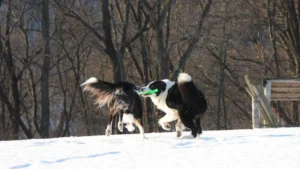
While the Bucket Game serves as a cornerstone for Skip’s health, his life is defined by more than just medical management. The transition into spring has allowed for a return to normalcy on the farm, including the resumption of sheep herding. Working dogs like Skip find deep satisfaction in their breed-specific tasks, and for many owners, seeing their dogs engage in natural behaviors after a period of illness or confinement is a joyful milestone.
However, the reality of life on a farm—and with dogs in general—remains a cycle of maintenance and care. Whether it is the intensive labor of the spring shed, where brushes are the primary tool against the mounting piles of loose fur, or the observation of the changing landscape as invasive species like buckthorn give way to showy orchids, the relationship between the owner and the dog is multifaceted.
A Call to Action for the "Village"
The author encourages a community-wide exchange of stories. Because every dog is an individual, "generic advice" is rarely sufficient. Instead, success lies in the ability to read the dog’s signals—the slight tongue flick, the subtle shift in weight, or the hesitation in the eyes.

"Tell us your stories!" the author implores. By sharing both the successes and the failures of our husbandry journeys, we create a knowledge base that fosters a more compassionate world for our pets.
As we navigate the complexities of caring for our aging or ill companions, we are reminded that our dogs are not just pets; they are sentient beings who deserve to participate in their own care. Through the humble, effective medium of the Bucket Game, we can transform the way we manage health, one eye drop—or one nail trim—at a time.
Ultimately, the goal is to cultivate a life where the dog feels safe, the owner feels empowered, and the medical necessity of the day is met not with fear, but with a tail wag and a treat. As we look toward the future of veterinary care, it is clear that the most effective tool in our kit is not a drug or a device, but the gift of agency.