Introduction: A Slithering Crisis in the Wake of Typhoon Maysak
In a harrowing incident that has sent shockwaves through the rural communities of Hangzhou, China, nearly 1,000 snakes—including highly venomous cobras—escaped into the surrounding environment following the catastrophic destruction of a commercial snake-breeding facility. The mass escape, triggered by the torrential rains and surging floodwaters of Typhoon Maysak during the weekend of July 4–5, has turned a natural disaster into a localized public health emergency.
As local authorities scramble to contain the reptiles, the incident has reignited debates regarding the safety, regulation, and environmental impact of China’s massive snake-farming industry. With at least one villager already hospitalized following a bite, the situation remains fluid, demanding an unprecedented mobilization of resources and caution from the local population.
The Chronology of the Escape: How a Breeding Farm Became a Biohazard
The crisis began in the early hours of July 6, following a weekend of relentless precipitation brought on by Typhoon Maysak. As the storm intensified, the structural integrity of the breeding farm in Hangzhou—a facility that housed between 800 and 900 snakes—was compromised by rising floodwaters.
The Breach
Reports from the Shanghai Daily and China Daily indicate that the force of the floodwaters breached the facility’s enclosures, effectively washing the structures away. By the time the waters began to recede, the farm had been decimated, and the vast majority of its inventory had dispersed into the nearby waterways and residential vegetation.
Immediate Aftermath
Upon realizing the scale of the escape, local officials declared a localized emergency. A specialized task force of 10 personnel was immediately assembled, armed with stun guns and specialized netting, to track and recapture the animals. However, the task proved daunting. The combination of dense, debris-strewn terrain and the elusive nature of the reptiles has hampered containment efforts.
By July 7, reports confirmed that one local villager had been bitten by one of the escaped specimens. The victim was promptly transported to a nearby medical facility for treatment, highlighting the immediate physical danger posed by the presence of venomous cobras in the proximity of human settlements.
Supporting Data: The Anatomy of a Snake-Farming Hub
To understand the gravity of this incident, one must examine the role of Southern China in the global reptile trade. Guangxi and surrounding regions have long served as the epicenter of the snake-breeding industry, an enterprise that sustains the pet trade, the pharmaceutical sector (for venom extraction), and the food market.
The Species at Large
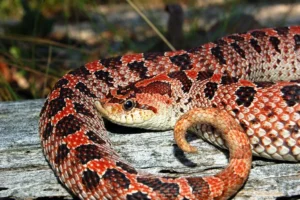
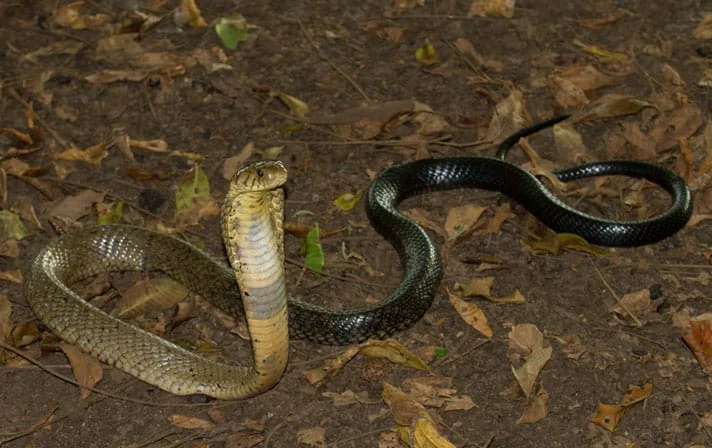
While the majority of the escaped snakes are reported to be non-venomous water snakes, the presence of Chinese cobras (Naja atra) poses a significant risk. These elapids are known for their potent neurotoxic venom, which can cause respiratory failure if not treated immediately.
Industry Scale
The breeding industry in Southern China is vast. These farms operate as high-density facilities, often holding thousands of animals in confined, man-made structures. The environmental risk of such facilities being situated in flood-prone areas has long been a concern for conservationists, but the July 6 incident provides a grim, tangible example of the dangers inherent in current zoning and safety standards.
Official Responses and the Government Mandate
The escape occurred against a backdrop of widespread destruction across the region, with at least 55 rivers reported to have surged above their warning levels. The scale of the flooding prompted a high-level response from the central government.
President Xi’s Directive
In a public announcement addressing the disaster, President Xi Jinping underscored the need for enhanced oversight in the wake of the floods. He stated, “All local governments should tighten accountability for disaster prevention and relief, thoroughly check rivers, lakes, reservoirs and other regions prone to geological disasters, strengthen early warning, prevention and relief work and ensure the safety of people’s lives and property.”
This directive serves as a clear indication that the central government views the management of such facilities as a component of broader national security and public safety. The Hangzhou local government is now under immense pressure to not only recover the missing reptiles but to justify why a high-density venomous snake farm was permitted to operate in a region so vulnerable to the severe meteorological events now common to the season.
The Implications: Public Safety and Environmental Hazards
The escape of nearly 1,000 snakes carries long-term implications that extend far beyond the immediate recapture efforts.
Public Health Risks
The most pressing concern is the health of the local population. Residents have been warned to exercise extreme caution, report any sightings to the authorities immediately, and avoid approaching, cornering, or attempting to handle the animals. The bite incident serves as a sobering reminder that these are not merely displaced livestock, but predators capable of inflicting serious harm. Hospitals in the region are now on high alert, ensuring that they have adequate supplies of polyvalent antivenom.
Environmental Disruption
There is also the significant question of ecological impact. If a substantial number of these snakes remain at large, they could potentially disrupt the local ecosystem. While these animals were bred in captivity, their presence in the wild, particularly if they are invasive or outcompete native species, can lead to unforeseen shifts in local predator-prey dynamics.
The Future of Snake Farming
The Hangzhou incident is likely to trigger a regulatory crackdown. As the industry faces increasing scrutiny, the government may impose stricter licensing requirements, including mandatory flood-proofing infrastructure, periodic site inspections, and stricter reporting protocols for inventory management. The industry’s economic value will be weighed against the catastrophic potential of future escapes, potentially leading to the relocation or closure of farms situated in high-risk flood zones.
Conclusion: A Lesson in Resilience and Regulation
The incident in Hangzhou stands as a stark reminder of the intersection between human industry and the natural environment. As extreme weather events like Typhoon Maysak become more frequent, the safety protocols governing potentially dangerous commercial operations must evolve.
The recovery of the escaped snakes will eventually conclude, and the immediate panic will subside, but the questions raised by this event remain. How can the government balance the economic necessity of the snake-farming industry with the fundamental right of the public to live in safety? How can we better predict the intersection of industrial sites and environmental disasters?
For now, the people of Hangzhou remain on high alert. The capture team continues its work, the medical community remains prepared, and the government is tasked with the difficult job of reconciling the economic output of these farms with the safety of its citizens. The story of the nearly 1,000 missing snakes is far from over, and it serves as a powerful testament to the necessity of rigorous disaster prevention and the profound, often unpredictable, consequences of our interactions with the natural world.
Key Recommendations for Affected Residents:
- Maintain Distance: If you spot a snake, do not attempt to capture it. Maintain a safe distance of at least 10–15 feet.
- Report Immediately: Contact local emergency services or the designated wildlife recovery task force.
- Seal Premises: Ensure that all entry points into homes, such as doors and window screens, are secure to prevent snakes from seeking shelter indoors.
- Seek Medical Care: If bitten, remain calm, immobilize the affected limb, and seek emergency medical assistance immediately. Do not attempt to use tourniquets or cut the wound.
As the situation continues to develop, further updates will be provided by local authorities regarding the containment status and the final count of recovered reptiles. For those interested in learning more about the species involved, specifically the behavior and risks associated with cobras, resources on reptile safety and natural history are available through organizations like the Global Reptile Association and local veterinary centers.