Introduction: A Grim Discovery in Bradford County
In a disturbing case of animal cruelty that has rattled the reptile-keeping community and law enforcement alike, authorities in Pennsylvania are seeking the public’s assistance in identifying the individual or individuals responsible for the abandonment of seven ball pythons. The snakes, which were discovered deceased in makeshift plastic containers, were discarded near Route 14, north of Canton, Pennsylvania.
The Pennsylvania State Police (PSP), in coordination with the Northeast Region Office of the Pennsylvania Fish and Boat Commission, have launched a formal investigation into the matter. To expedite the identification of those involved, a $5,000 reward is being offered for information leading to the arrest and conviction of the party responsible for this act of abandonment and neglect.
Main Facts of the Case
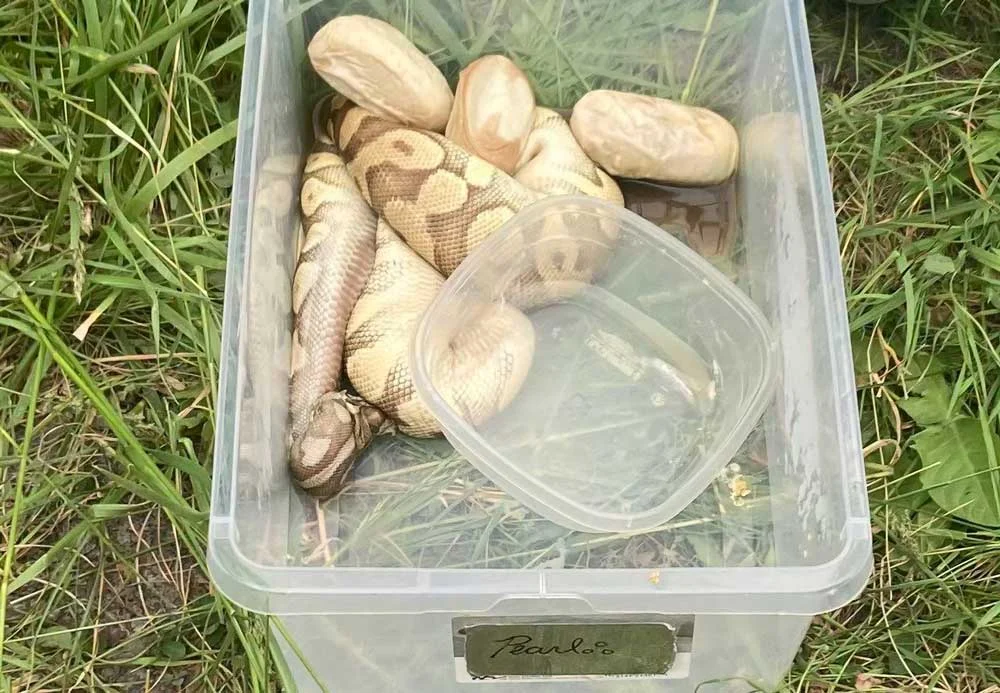
The discovery, which occurred on June 8, presents a harrowing scene that suggests a failed breeding operation or a significant lapse in responsible pet ownership. According to official reports, the seven ball pythons—a species popular in the hobbyist community for their docile nature and vast array of color variations, known as "morphs"—were found inside small plastic containers.
Tragically, all seven specimens were deceased by the time they were located. Perhaps most heartbreaking to investigators and the public is the fact that some of the containers still held clutches of eggs, indicating that the snakes were likely being kept for breeding purposes. Each container was individually labeled with a name, suggesting that these animals were once cared for or at least identified by an owner:
- Blaze
- Martin
- Mr. Green
- Samantha
- Pearl
- Larry
- SpongeBob
The fact that the animals were named implies a degree of human interaction and investment, making their eventual disposal in such a callous manner even more confounding to animal welfare advocates.
Chronology of Events
The timeline of this incident remains the primary focus of the ongoing investigation by the Towanda Barracks of the Pennsylvania State Police.
- Pre-June 8: The snakes were likely in the care of a breeder or owner. The presence of eggs suggests the animals were in the midst of a reproductive cycle, requiring specific temperature and humidity parameters to survive.
- June 8: The containers were discovered along the roadside near Route 14, north of Canton. It is unclear how long the containers had been sitting in the elements before they were reported to the authorities.
- Post-June 8: Law enforcement secured the scene and processed the evidence. Initial assessments confirmed that the lack of proper containment and the exposure to the environment led to the death of the reptiles.
- Current Status: The Pennsylvania State Police have issued a public appeal for information. The investigation is active, with Cpl. Spada, the designated Animal Cruelty Officer for the troop, leading the inquiry into the potential origin of the snakes and the identity of their former keeper.
Supporting Data: The Plight of Captive Reptiles
Ball pythons (Python regius) are ectothermic creatures, meaning they rely on their external environment to regulate their body temperature. In Pennsylvania, where nighttime temperatures can fluctuate significantly, leaving these snakes in unheated plastic containers is effectively a death sentence.
The Complexity of Reptile Breeding
Breeding ball pythons is a specialized practice that requires strict adherence to environmental controls. A healthy breeding setup typically involves:
- Thermal Regulation: Snakes require a "thermal gradient," allowing them to move between a warm side (for digestion) and a cooler side (to avoid overheating).
- Humidity Control: Essential for both shedding and the successful incubation of eggs.
- Security and Hygiene: Plastic bins are common in the industry, but they must be kept in temperature-controlled rooms with proper ventilation.
When a breeder experiences a "crash"—perhaps due to financial hardship, a change in life circumstances, or a lack of knowledge—the animals are often the first to suffer. However, the decision to dump them in the wild, rather than seeking assistance from a local reptile rescue or humane society, represents a severe failure of ethical responsibility.
Previous Patterns of Abandonment
This is not the first time ball pythons have been found abandoned in bizarre or cruel circumstances. Similar incidents have been reported across the United States, including a notable case where 13 ball python morphs were discovered abandoned inside Buzz Lightyear-themed pillowcases. These trends suggest a recurring problem within the "side-hustle" breeding community, where inexperienced individuals may take on more animals than they can afford to feed, house, or provide veterinary care for.
Official Responses and Calls to Action
The Pennsylvania State Police are treating this as a serious animal cruelty case. The involvement of the Pennsylvania Fish and Boat Commission underscores the state’s commitment to wildlife and animal welfare laws.
How to Help
Authorities are pleading with the public to come forward with any information, however small it may seem. Even if a person does not have direct knowledge of the act, information regarding individuals in the area who were known to be breeding ball pythons could prove vital to the investigation.
Contact Information:
- Primary Contact: Cpl. Spada, PSP Animal Cruelty Officer, at 717-772-5112 or via email at [email protected].
- Local Barracks: PSP Towanda at 570-265-2186.
- Anonymous Tips: PSP Tips Toll-Free at 1-800-472-8477 or via the P3 Tips online portal.
The $5,000 reward serves as a significant incentive for anyone who may have witnessed a suspicious vehicle or person near the Route 14 site on or around June 8.
Implications: The Ethics of the Reptile Trade
The tragedy of "Blaze," "Larry," and their companions raises broader questions about the regulation of exotic pet breeding.
The Burden of Responsibility
When an individual purchases an animal, they enter into a tacit contract of care. In the reptile hobby, this includes the obligation to provide for the animal for its entire lifespan, which for a ball python can exceed 20 to 30 years. When a breeding project fails, the animals should be rehomed through reputable rescue organizations or surrendered to shelters. Dumping them is a criminal act that reflects a total disregard for the sentient nature of the animals.
Strengthening Animal Cruelty Laws
This case may serve as a catalyst for local lawmakers to re-examine how animal cruelty statutes apply to exotic pets. While many states have robust laws protecting dogs and cats, the protection of reptiles is often inconsistent. The high profile of this specific case, coupled with the generous reward, demonstrates that the community is no longer willing to turn a blind eye to the mistreatment of non-traditional pets.
Education and Prevention
The solution to preventing such tragedies lies in education. Prospective breeders must be educated on the financial and logistical demands of the hobby. Organizations and trade groups are increasingly focusing on "responsible breeding" initiatives, emphasizing that if a breeder cannot ensure the welfare of their animals, they should not be breeding them in the first place.
Conclusion
The death of seven ball pythons on a Pennsylvania roadside is a somber reminder of the vulnerabilities of captive-bred animals. As the Pennsylvania State Police continue their investigation, the community remains hopeful that the $5,000 reward will lead to a breakthrough.
Justice for Blaze, Martin, Mr. Green, Samantha, Pearl, Larry, and SpongeBob is not just about punishing the individual responsible; it is about sending a clear message that animal neglect—regardless of the species—will not be tolerated in the state of Pennsylvania. If you have any information, please reach out to the authorities immediately. Your tip could be the missing piece of the puzzle needed to bring this case to a close and prevent future acts of cruelty.