

For millions of households, the domestic cat is more than just a pet; they are a cherished family member. Yet, despite our best intentions, the gap between human social expectations and feline biological needs can often lead to friction. While cats are remarkably resilient and often forgiving of our clumsy attempts at affection, persistent disregard for their behavioral preferences can erode the human-animal bond and trigger significant physiological and psychological stress.
To cultivate a harmonious home environment, owners must look past the "aloof" stereotype and understand the nuanced, sensory-driven world of the feline. By identifying the common triggers that cause distress, we can transition from being mere caretakers to becoming empathetic guardians.
The Architecture of Feline Stress: Main Facts and Behavioral Science
Cats are evolutionary masters of survival, possessing a heightened sensitivity to their environment that served them well in the wild but can be easily overwhelmed in a modern home. Their reliance on routine, territory, and control is not a sign of stubbornness, but a biological imperative. When these needs are compromised—whether through noise, unwanted physical contact, or environmental instability—the resulting stress can manifest in problematic behaviors such as litter box avoidance, over-grooming, or defensive aggression.
Understanding that a cat’s reaction to a situation is rarely "spiteful" is the first step toward better pet ownership. Every unwanted behavior is a communication—a signal that the environment is failing to meet the cat’s fundamental needs.
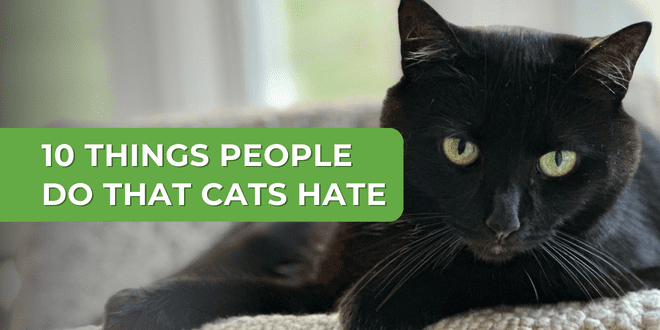
Chronology of Discomfort: The 10 Primary Stressors
1. The Disruption of Routine (Abrupt Change)
Cats are "creatures of habit" by design. Their brain thrives on predictability, which dictates their sense of security. Sudden shifts—such as the introduction of a new pet, moving to a new home, or even rearranging furniture—can trigger an immediate "fight or flight" response.
- The Implication: When a cat’s environment is altered without a transition period, they may experience profound anxiety. Owners are advised to introduce changes incrementally, allowing the cat to acclimate to new stimuli at their own pace.
2. The Unsanitary Environment (Dirty Litter Box)
A litter box is more than a convenience; it is a vital resource for a cat’s hygiene and security. A poorly maintained box is, to a cat, the equivalent of a human being forced to use an unflushed public restroom.
- The Implication: Beyond the psychological stress of a foul-smelling environment, neglecting the litter box can lead to medical issues, including urinary tract infections and cystitis, as cats may "hold" their waste to avoid the offending area.
3. Vulnerability Overload (Touching the Tummy)
While many owners interpret a cat exposing its belly as an invitation for a rub, this is often a misunderstanding of feline body language. In the wild, the belly is a vulnerable area. Exposing it is an act of trust, not necessarily an invitation for tactile stimulation. Most cats prefer to have their boundaries respected, and forcing contact here can lead to a rapid shift from calm to defensive.
4. Auditory Overload (Loud Noises)
Feline hearing is significantly more sensitive than that of humans. Appliances, loud television volumes, shouting, or construction work are not just "background noise" to a cat; they are jarring, high-decibel intrusions.

- The Implication: Chronic exposure to high-volume environments can lead to long-term anxiety. It is essential to provide "safe havens"—quiet rooms where a cat can retreat—and to keep critical resources like food and litter boxes well away from high-noise areas.
5. The Violation of Autonomy (Forced Interaction)
Social interaction should be a consensual activity. Forcing a cat to be held, petted, or socialized when they are not in the mood is a primary cause of human-feline conflict. When a cat feels they lack the power to leave an uncomfortable situation, they may eventually resort to biting or scratching to assert their boundaries.
6. The Misconception of Hugging (Holding)
Human affection is often tactile, while feline affection is more subtle and proximity-based. Many cats feel trapped when held, particularly if they are restrained against their will. Respecting an individual cat’s tolerance for physical handling is crucial, especially when children are involved, as they may lack the ability to read the subtle warning signs of feline discomfort.
7. The Futility of Punishment
Punishment is a failed pedagogy in the world of animal behavior. Because cats do not associate punishment with their previous actions, discipline only serves to create a climate of fear. Instead of correcting the behavior, the cat learns to fear the human. The superior approach is to identify the "why" behind the behavior and provide a positive, acceptable alternative.
8. Ignoring the Silent Language (Body Language Cues)
Cats are masters of non-verbal communication. From the position of their ears and the twitching of their tail to the dilation of their pupils, they are constantly speaking. Ignoring these signals is a failure of communication on the part of the owner. Learning to read these cues is the most effective way to prevent stress and escalation.

9. Sensory Pollution (Strong Scents)
A cat’s sense of smell is dozens of times more powerful than a human’s. The use of heavily scented cleaning products, air fresheners, or perfumes can be physically overwhelming. Furthermore, scented litter additives often deter cats from using their boxes, as they prefer to mark their territory with their own scent.
10. The Absence of Predictability (Inconsistent Schedules)
Feeding times, play sessions, and sleep cycles should be kept as consistent as possible. Predictability is the cornerstone of feline mental health. Inconsistency leaves the cat in a state of perpetual vigilance, wondering when their next meal or safe window for play will arrive.
Supporting Data and Professional Insights
Behavioral experts emphasize that the "cat-human" relationship is not a master-servant dynamic but a partnership. Studies on feline behavioral therapy consistently show that when owners switch from punitive measures to environmental enrichment and positive reinforcement, the incidence of "behavioral problems" drops by over 70%.
The use of technology—such as decibel meters to monitor household noise and structured feeding schedules—has become a hallmark of the modern, informed pet parent. By quantifying these stressors, owners can create a "low-stress" floor plan for their homes, ensuring that the cat has access to vertical space, quiet zones, and clean resources at all times.

Official Perspectives: The Expert View
Leading animal behaviorists, such as Pam Johnson-Bennett, argue that the root of most cat-owner conflict is anthropomorphism—the tendency to attribute human emotions and motivations to our pets. We expect them to enjoy a "hug" because we enjoy one, or to "learn a lesson" through punishment because that is how humans were raised.
Experts suggest a "hands-off" approach to initial interaction. Let the cat approach the human. Offer a finger for a sniff. If the cat leans in, interaction may begin. If the cat remains still or turns away, the interaction is over. This simple shift in power dynamics significantly reduces the likelihood of the cat feeling threatened.
Implications for the Future of Feline Care
The implications of these findings are clear: better education for pet owners leads to higher welfare standards for cats. As we continue to move toward a more sophisticated understanding of feline psychology, the "10 things cats hate" list serves as a foundational roadmap for success.
- Reduced Veterinary Visits: By eliminating chronic stress, owners can reduce the incidence of stress-induced illnesses, such as feline idiopathic cystitis.
- Increased Longevity: A cat that feels secure and relaxed is statistically more likely to live a longer, healthier life.
- Strengthened Bonds: Trust is earned. By respecting the feline’s boundaries, the owner becomes a source of safety rather than a source of potential conflict.
In conclusion, the goal is to foster an environment where the cat feels in control of their own comfort. When a cat has the freedom to choose their interactions, the ability to retreat from noise, and a consistent, clean environment, they naturally become more confident and affectionate. By adjusting our human behaviors to accommodate their feline instincts, we ensure that our homes remain a sanctuary, not a source of constant, unnecessary stress.