The arrival of a new cat is a momentous occasion, often marked by excitement, curiosity, and, for many first-time owners, a creeping sense of trepidation regarding behavioral expectations. The prevailing myth that cats are solitary, untrainable creatures—or that they are simply "difficult" by nature—persists in popular culture. However, ethologists and feline behaviorists consistently debunk this narrative. Cats are, in fact, highly intelligent, capable of complex learning, and deeply responsive to environmental cues.
Training a cat is not an exercise in dominance or control. Rather, it is a sophisticated method of communication. By shifting the perspective from "correcting bad behavior" to "teaching new skills," owners can transform the training process into a cornerstone of the human-feline bond. This article explores the essential framework for successful feline training, backed by behavioral science and expert guidance.
The Foundation of Feline Intelligence: Understanding the "Why"
Before diving into specific techniques, it is vital to understand the feline psyche. Cats are predators by design, but they are also prey animals. This dual nature dictates their behavior. A cat’s "misbehavior" is rarely a deliberate act of defiance; it is almost always an expression of a biological need or a reaction to an environmental stimulus.
When a cat scratches the sofa, they are not acting out of spite; they are marking territory and conditioning their claws. When they climb atop cabinets, they are seeking a high-vantage point for safety. Successful training occurs when we acknowledge these natural instincts and provide appropriate outlets for them, rather than attempting to suppress the animal’s fundamental biology.

Chronology of a Training Partnership
Building a training program is not a linear sprint but a gradual evolution. For those welcoming a new cat, the following timeline serves as a guide for establishing rapport:
Phase 1: The Decompression Period (Weeks 1–2)
In the first days, focus is not on training, but on safety. Your cat is processing a new environment, new scents, and new people. Forcing interaction or training during this time is counterproductive. Establish a routine and allow the cat to explore their territory at their own pace. Trust is the currency of training; you cannot "spend" it until you have earned it.
Phase 2: Identifying Motivators (Weeks 3–4)
Once the cat feels secure, begin to identify what drives them. Is your cat food-motivated? Are they particularly fond of a specific feather wand or laser pointer? Determining these "reinforcers" is the first step in active communication.
Phase 3: Implementing Core Commands (Month 2 and beyond)
Once you have established trust and identified motivators, you can begin introducing specific cues. Keep sessions short—no more than three to five minutes—and always ensure they are voluntary. By the end of the second month, a consistent rhythm of communication should be established.

Supporting Data: Why Positive Reinforcement Prevails
The behavioral sciences are unanimous in their support for positive reinforcement. Unlike punishment—which relies on fear and avoidance—positive reinforcement leverages the brain’s dopamine reward system.
The Science of Reward
When a cat performs a desired action and receives an immediate, high-value reward, the neural pathway associated with that action is strengthened. Timing is critical: the reward must occur within seconds of the behavior to create a clear association.
The Failure of Punishment
Punishment is widely considered ineffective and inhumane by animal welfare organizations. When an owner punishes a cat, the cat does not learn "I shouldn’t do X." Instead, they learn "My owner is unpredictable and frightening." This leads to a breakdown in the human-animal bond, potential stress-induced health issues (such as cystitis), and the development of redirected aggression.
Official Perspectives: The Expert Approach
Renowned feline behaviorist Pam Johnson-Bennett emphasizes that the key to a harmonious household is "environmental enrichment." Her approach centers on the idea that training is a collaborative effort.

Consistency Across the Household
A common failure in multi-person households is inconsistent messaging. If one family member allows the cat on the kitchen counter while another scolds them, the cat becomes confused and anxious. All household members must agree on the "house rules" to ensure the cat feels confident in their environment.
Short and Voluntary Sessions
Forcing a cat to participate in a training session is a violation of their autonomy. If a cat chooses to disengage, they should be allowed to leave. When training is voluntary, the cat is more mentally present, leading to higher retention rates for new skills.
Implications: The Long-Term Benefits of Training
The implications of a well-trained cat extend far beyond having a pet that knows how to "sit" or "high-five."
Mental Stimulation and Welfare
Training provides essential mental stimulation. Cats are naturally inquisitive; a lack of mental engagement can lead to boredom-induced behavioral issues. Training keeps their minds sharp and provides a healthy outlet for their natural hunting instincts.

Strengthening the Human-Feline Bond
The primary implication of effective training is the deepening of the relationship. When you communicate with your cat in a language they understand, you build a bridge of trust. This trust is the difference between a cat that merely coexists in your home and a cat that thrives as a companion.
Four Pillars of Successful Training
1. Patience as a Prerequisite
Patience is the bedrock of all behavioral modification. Because cats are sensitive to changes in their environment, they require time to adjust to new expectations. If an owner reacts with frustration, the cat will perceive a threat rather than a lesson. Progress may seem slow, but it is steady.
2. The Power of Consistency
Cats find comfort in predictability. By maintaining a consistent routine and applying the same rules every day, you provide a sense of security. If the rules of the house change based on the owner’s mood, the cat will become stressed and, consequently, harder to train.
3. Positive Reinforcement Only
As previously noted, reward-based training is the only humane path forward. Use high-value treats, affection, or play. Remember that the goal is not to force the cat to do something, but to make the desired behavior the most rewarding option available to them.
4. Respecting Instincts
The most effective training is that which works with the cat’s natural instincts, not against them.
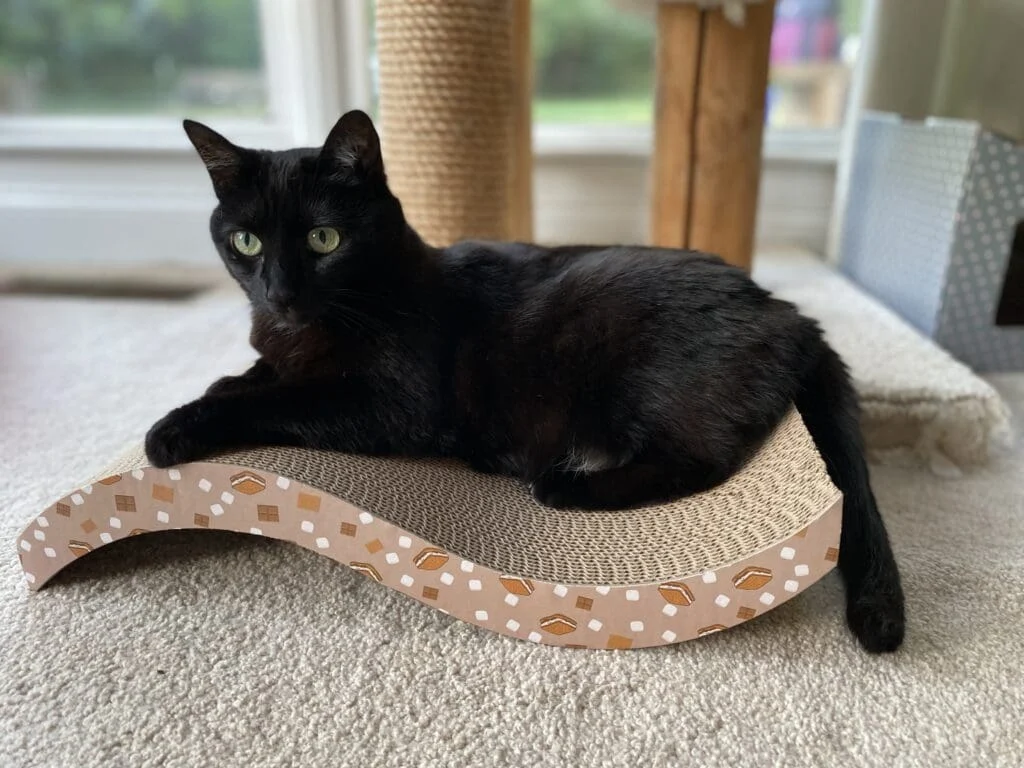
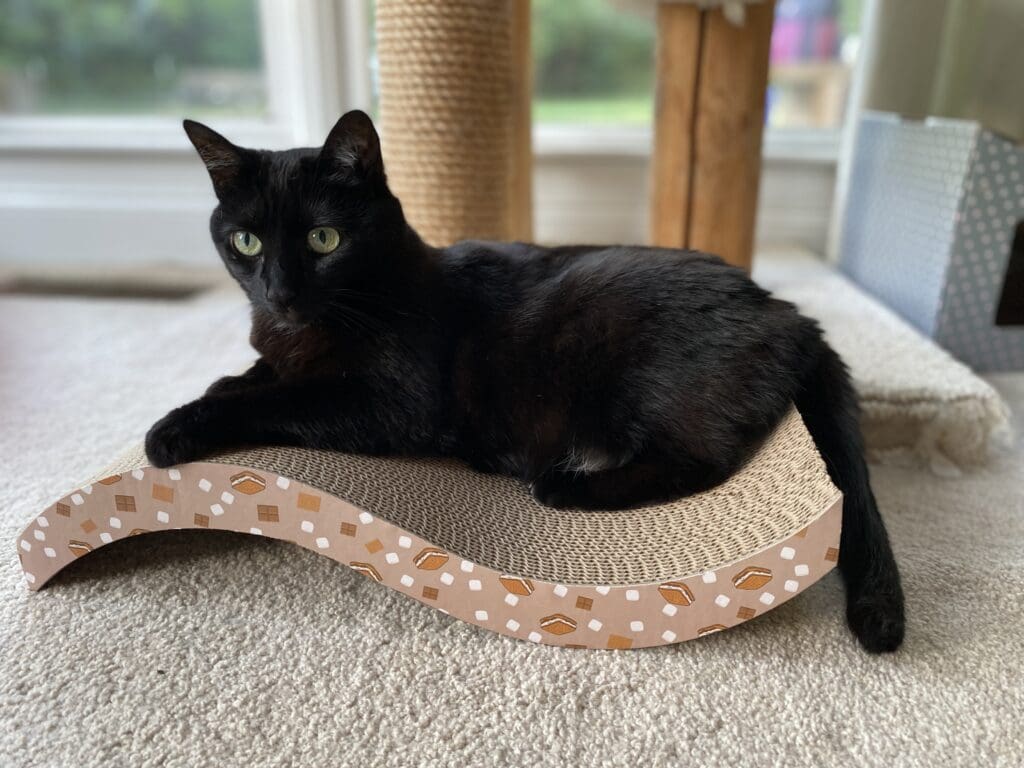
- Scratching: Provide sturdy, tall, and stable scratching posts in preferred areas.
- Climbing: Install cat shelves or provide vertical space to satisfy their need to survey their territory.
- Hunting: Use puzzle feeders to turn mealtime into a satisfying, instinctual hunt.
Conclusion: A Lifetime of Communication
Training your cat is an ongoing process that lasts the duration of their life. It is an investment of time, patience, and love that pays dividends in the form of a confident, well-adjusted feline. By moving away from outdated notions of control and embracing a model of mutual respect and clear communication, you ensure that your home remains a sanctuary for both you and your companion.
For those seeking to delve deeper into the nuances of feline behavior, resources from experts like Pam Johnson-Bennett provide a wealth of step-by-step strategies. Whether you are navigating the first few weeks with a new kitten or helping a senior cat adapt to a new home, remember that you are building a language of trust—one session at a time. Through this process, you will find that the cat is not just a pet, but a partner in a shared, harmonious life.