
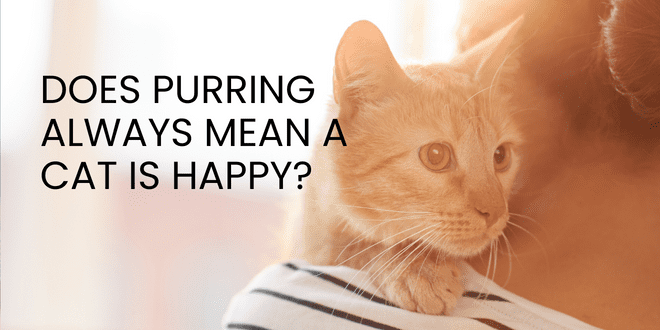
To the uninitiated, the rhythmic, low-frequency rumble emanating from a cat’s chest is the ultimate signal of domestic bliss. It is the sound of a companion curled contentedly on a sofa, eyes half-closed in a state of meditative relaxation. However, for those who share their lives with these enigmatic creatures, the purr is recognized as a complex, multifaceted communication tool—one that defies the simple "happy" label often attributed to it.
As we delve into the ethology and physiology of our feline counterparts, it becomes clear that the purr is not merely an emotional byproduct. It is a sophisticated biological mechanism, serving as a survival strategy, a soothing balm for physical trauma, and a foundational element of early development.
Main Facts: The Anatomy of a Vibration
At its core, the purr is an internal vibration produced by the rapid twitching of the muscles in the cat’s larynx (voice box). These muscles contract and relax at a rate of 25 to 150 vibrations per second. When the cat breathes, the air passes over these vibrating muscles, creating the characteristic sound that resonates throughout the entire body.
While human vocalization relies on the movement of air across vocal cords, the feline purr is continuous—it occurs during both inhalation and exhalation. This suggests that the purr is governed by a neural oscillator in the cat’s brain, a mechanism that keeps the rhythm steady and persistent. Understanding this mechanical foundation is the first step toward decoding why cats—ranging from the smallest house tabby to larger wild felids—utilize this sound in vastly different contexts.
Chronology: The Purr Throughout the Feline Life Cycle
The significance of the purr is woven into the very fabric of a cat’s existence, starting from the moment of birth.
The Neonatal Connection
Kittens are born into the world with significant sensory limitations; they are both blind and deaf. In this vulnerable state, the mother’s purr acts as a critical beacon. The vibrations created by the queen serve as a physical guide for her litter, helping them locate her body for warmth and nourishment. By the time a kitten is just a few days old, it begins to purr back—a sign of social bonding and an indicator of health. This early communication establishes a feedback loop between mother and kitten that is essential for survival in the wild and the domestic sphere alike.
Adulthood and Adaptive Communication
As cats mature, the purr evolves from a simple "homing signal" into a versatile tool for social interaction and self-regulation. While we often focus on the social aspect—a cat purring while being groomed by a human—the most fascinating developments occur in how the cat utilizes this sound to navigate stress, conflict, and physical ailment.
Supporting Data: The "Healing" Frequency and Pain Relief
Perhaps the most compelling area of feline research involves the potential therapeutic properties of the purr frequency. Scientific inquiry has suggested that the specific frequency of a cat’s purr—falling between 25 and 150 Hertz—is highly therapeutic for both the cat and those nearby.
Accelerating Recovery
In the field of orthopedics, it is well-documented that sound frequencies in the 25–50 Hz range can improve bone density and promote the healing of fractures. Studies suggest that the consistent vibration of a cat’s purr may stimulate bone growth and tissue repair. This could explain why cats are remarkably resilient in the face of falls and why they seem to recover from soft tissue injuries at an accelerated rate compared to other mammals of similar size.
The Physiological "Painkiller"
Beyond bone repair, the purr acts as a self-soothing mechanism. Cats have been observed purring during intense physical stress, including labor and even in the final, quiet moments of life. By emitting these vibrations, the cat may be attempting to lower its own blood pressure, regulate its heart rate, and induce the release of endorphins. This suggests that the purr is a form of internal "bioregulator," allowing the animal to maintain a semblance of equilibrium when the body is under siege.

Official Responses: Re-evaluating the "Happy" Myth
Behaviorists and veterinary professionals are increasingly moving away from the simplistic view that "purring equals happiness." While the association between contentment and purring remains valid, it is now considered only one function among many.
The Nervous Purr
In clinical settings, it is not uncommon to see a cat purring while undergoing a physical examination or when faced with a perceived threat. This is often termed the "nervous purr." Much like a human might laugh or smile when feeling awkward or threatened, a cat may utilize the purr as an appeasement signal or a method of self-soothing to mitigate anxiety.
When a cat is in a veterinarian’s office, the hum of the purr is often a sign of distress rather than satisfaction. Recognizing this distinction is vital for owners and professionals alike. If a cat is purring while simultaneously displaying tense body language—such as pinned ears, a twitching tail, or a crouched posture—it is a clear indicator that the animal is using the sound as a coping mechanism for fear.
Implications: A Deeper Understanding of Feline Welfare
The realization that the purr is a multifaceted tool has profound implications for how we care for our cats.
Recognizing Individual Variation
It is essential to acknowledge that every cat is a unique individual. Some cats are "vocal purrers," where the sound can be heard across a room, while others are "vibrational purrers," whose purrs are felt through the chest or jaw rather than heard. Ignoring a quiet cat simply because they lack an audible hum could lead to missing important behavioral cues. Owners should learn the specific "vibe" of their cat—how their body feels when they are truly relaxed versus when they are merely trying to remain calm.

The Human-Animal Bond
The implications for human health are equally intriguing. The calming effect of a purring cat on a human is well-documented; the low-frequency vibration can lower human heart rates and reduce stress. This reciprocal soothing, where the cat uses its frequency to manage its own state while simultaneously grounding its human guardian, underscores the depth of the human-feline bond.
Education and Advocacy
For owners seeking to provide the best possible environment for their pets, understanding these nuances is a key component of responsible care. By moving beyond the assumption that a purring cat is always a happy cat, we become more attentive observers. We learn to look for the context—the environment, the body language, and the health status—before drawing conclusions about our pet’s emotional state.
Resources such as those provided by feline behavior experts like Pam Johnson-Bennett are instrumental in this journey of education. By bridging the gap between scientific ethology and practical home application, we can foster a more empathetic relationship with our feline companions.
Conclusion: The Constant Companion
The feline purr remains one of nature’s most effective biological tools. It is a bridge between the neonate and the mother, a bridge between the injured body and the path to recovery, and a bridge between the nervous cat and its own internal sense of security.
Whether it is the gentle vibration felt while sleeping on a lap or the rhythmic hum produced during a moment of high stress, the purr is the constant companion of the cat. It is a testament to the sophistication of feline evolution and a reminder that, in the world of animal communication, there is almost always more than meets the eye—or ear. As we continue to study these animals, we gain not only a better understanding of their biology but a deeper appreciation for the complex, silent, and vibrational languages they speak to survive and thrive in our world.