BEND, Oregon — The equine community in Central Oregon is on high alert following a newly confirmed outbreak of pigeon fever within Deschutes County. According to official reports released by the State Department of Agriculture, two horses have recently tested positive for the bacterial infection, while four additional equines are currently classified as suspected cases. Furthermore, health authorities have confirmed that at least 12 other horses have been directly exposed to the pathogen, prompting local veterinarians and agricultural extension offices to ramp up surveillance, biosecurity awareness, and preventative outreach.
The outbreak highlights the persistent vulnerabilities horses face during peak environmental windows for vector-borne and soil-borne pathogens. As local animal health officials work to contain the spread, equestrian property owners across Deschutes County and neighboring regions are being urged to tighten facility management protocols, monitor their herds closely, and consult veterinary professionals at the first sign of clinical illness.
(Editor’s Note: EDCC Health Watch is an Equine Network marketing program that utilizes information from the Equine Disease Communication Center [EDCC] to create and disseminate verified equine disease reports. The EDCC is an independent nonprofit organization that is supported by industry donations in order to provide open access to infectious disease information.)
Main Facts: Understanding the Deschutes County Cluster
The core details surrounding the current Deschutes County pigeon fever event underscore the contagious and disruptive nature of the disease within localized equine populations.
- Confirmed Cases: Two horses have officially tested positive for Corynebacterium pseudotuberculosis, the causative bacterium of pigeon fever.
- Suspected Cases: Four additional horses are exhibiting clinical signs consistent with the infection and are currently treated as presumptive positives pending further diagnostic evaluation or observation.
- Exposed Animals: Epidemiological tracing indicates that at least 12 other horses share housing, pasture, or equipment with the infected animals and have been designated as exposed, placing them under close monitoring.
- Geographic Location: The cases are localized within Deschutes County, a region known for its vibrant equestrian culture, spanning recreational riding, breeding, and competitive disciplines.
- Primary Pathogen: The disease is caused by a soil-dwelling bacterium that enters the horse’s body primarily through compromised skin barriers, minor abrasions, insect vectors, or contaminated soil and equipment.
Despite its common name, pigeon fever has no connection to birds or pigeons. The moniker was originally coined because the large, prominent external abscesses that frequently form on an infected horse’s chest—specifically near the pectoral muscles—resemble the swollen breast of a pigeon.
Chronology of the Outbreak and Regional Surveillance
To understand how infectious diseases ripple through equine communities, public health and agricultural agencies rely on a strict timeline of detection, reporting, and intervention. While the exact index case for this Deschutes County cluster remains under investigation, the progression of the outbreak follows a well-documented epidemiological arc typical of seasonal bacterial flare-ups in the Pacific Northwest.
Late Summer Environmental Shifts
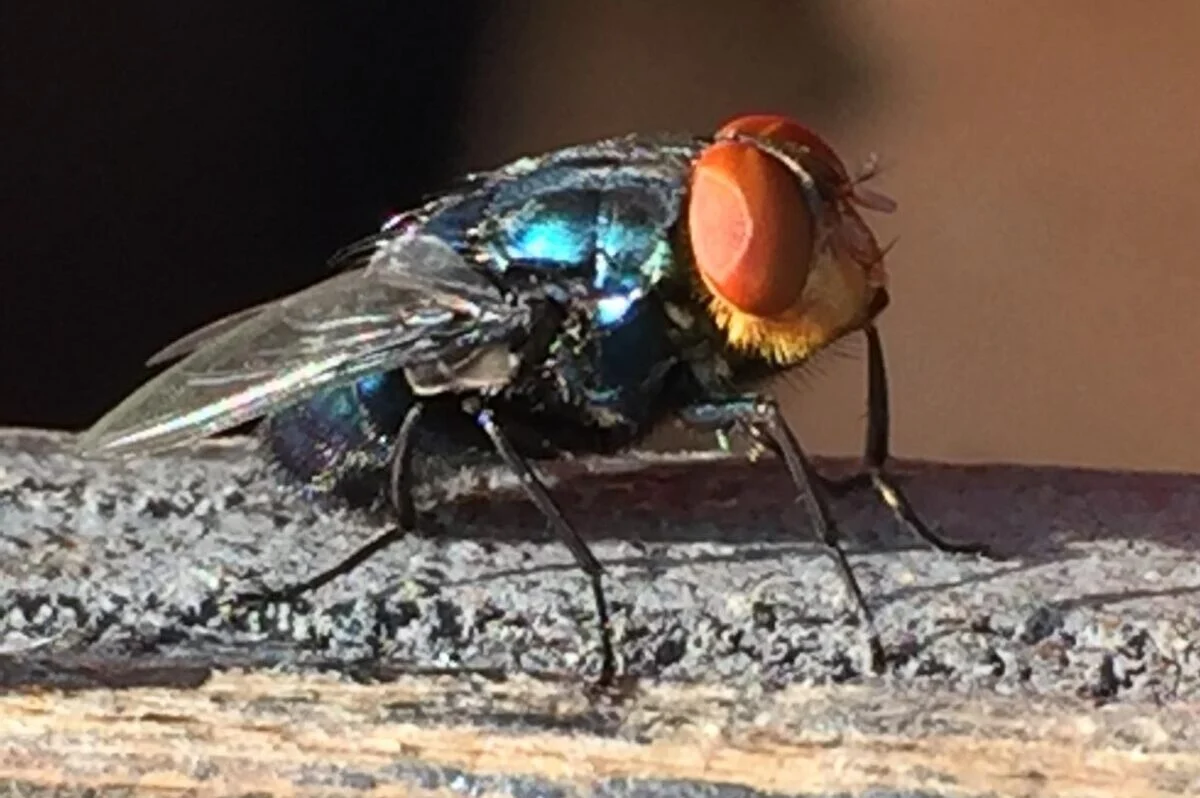
As summer transitions into early fall, environmental conditions in Central Oregon create an ideal breeding ground for mechanical vectors, such as house flies and horn flies, which are known vectors or mechanical carriers of Corynebacterium pseudotuberculosis. Dry, dusty soils combined with grazing habits allow the bacteria to persist in the environment. Agricultural extension agents note that horses turned out on dry-lot or sparse pastures are frequently prone to minor chest scrapes from lying down or rolling in abrasive dirt, providing an entry point for the pathogen.
Initial Symptom Onset and Veterinary Consultation
Owners of the affected ranches in Deschutes County first noticed localized swelling and localized discomfort in their animals during routine daily care routines. Recognizing anomalies such as reluctance to move the front limbs, localized heat, or soft fluid-filled swellings, the owners promptly contacted their attending veterinarians. Initial physical examinations revealed signs pointing toward internal or external abscessation characteristic of pigeon fever.
Diagnostic Confirmation and State Reporting
Veterinary practitioners collected purulent exudate samples from the developing abscesses for laboratory culture and sensitivity testing. Upon confirmation of Corynebacterium pseudotuberculosis, mandatory or standard voluntary reporting protocols engaged, alerting the State Department of Agriculture. The state agency subsequently coordinated with the Equine Disease Communication Center (EDCC) to issue a formal alert, ensuring that regional horse owners, boarding facilities, and equine practitioners were swiftly notified of the active presence of the disease in Deschutes County.
Containment and Quarantine Implementation
Following confirmation, the affected facilities initiated voluntary biosecurity lock downs. Movement of horses on and off the primary premises was immediately halted to prevent cross-contamination at regional trailheads, boarding stables, and competition venues. Exposed horses were segregated into separate paddocks, and specialized sanitation protocols for water troughs, feeding areas, and grooming tools were deployed.
Supporting Data: The Nature, Pathology, and Seasonality of Pigeon Fever
To contextualize the current outbreak in Deschutes County, it is critical to examine the underlying pathology of pigeon fever (Corynebacterium pseudotuberculosis infection) and the statistical trends associated with the disease across North America.
Clinical Manifestations
Pigeon fever typically manifests in three distinct clinical forms, though the external abscess form is by far the most commonly observed:
- External Abscesses: Accounting for the vast majority of cases (approximately 80% to 90%), these painful swellings occur most frequently on the pectoral (chest) region and ventral abdomen (belly). However, they can also appear in the groin, flank, or axillary regions. Over several weeks, these abscesses mature, soften, and eventually rupture, discharging a characteristic thick, odorless, pale green or cream-colored pus.
- Internal Infection: A smaller percentage of horses (roughly 8% to 10%) develop internal abscesses, which can affect internal organs such as the liver, spleen, kidneys, and lungs. This form is notoriously difficult to diagnose and treat, often presenting with chronic weight loss, fever, lethargy, and poor overall condition. It carries a significantly higher mortality rate than the external form.
- Ulcerative Lymphangitis: Less common in typical pigeon fever presentations, this form involves infection of the lymphatic vessels of the lower limbs, causing severe swelling, pain, and lameness.
Seasonality and Environmental Resilience
The prevalence of pigeon fever is heavily dictated by climate and geography. Historically documented as an endemic issue in warmer, arid climates such as California, the disease has steadily expanded its geographic footprint into regions of the Pacific Northwest, the Intermountain West, and parts of Canada.
Peak season universally spans from late summer through late autumn. During these months, ambient temperatures remain high, and dust levels peak. Furthermore, insect populations—particularly stable flies, house flies, and horn flies—reach maximum density. Research indicates that flies can physically transport the bacteria from the exudate of an infected horse to the minor skin abrasions of a healthy herdmate, acting as a potent vector for transmission.
Furthermore, Corynebacterium pseudotuberculosis is an exceptionally hardy bacterium. It can survive in dry soil and organic matter for months, meaning pastures that have housed infected animals remain a potential reservoir for reinfection if proper remediation and rest cycles are not implemented.
Official Responses and Expert Recommendations
In response to the Deschutes County confirmation, state agricultural officials, equine extension specialists, and regional veterinary practices have mobilized to educate the public and provide actionable guidelines for disease mitigation.
State Department of Agriculture Guidance
The State Department of Agriculture has emphasized that while pigeon fever is rarely fatal when confined to external abscesses, it represents a significant welfare concern and economic burden for horse owners due to lengthy recovery periods, veterinary costs, and necessary facility quarantines. State veterinarians have reiterated that early detection is the single most effective tool for preventing the escalation of localized cases into systemic or internal complications.
Equine Disease Communication Center (EDCC) Role
Through automated alert systems and the EDCC Health Watch marketing program, the EDCC continues to aggregate and distribute transparent, verified disease data to the public. By offering open-access infectious disease tracking, the organization empowers horse owners to make informed decisions regarding travel, event attendance, and biosecurity measures without relying on unverified rumors or panic-driven social media reports.
Recommended Biosecurity and Management Practices
Veterinary experts advise that horse owners implement rigorous, multi-layered management protocols to minimize the risk of infection and halt secondary spread within herds:
- Strict Sanitation and Hygiene: Regularly clean and disinfect shared equipment, including grooming tools, lead ropes, halters, tack, and feeding troughs. Bleach solutions or specialized agricultural disinfectants effective against gram-positive bacteria should be utilized.
- Wound Management: Inspect horses daily for minor cuts, scrapes, insect bites, and skin abrasions. Clean and treat any breaks in the skin promptly with antiseptic washes and protect healing tissue from flies.
- Fly Control Programs: Implement aggressive fly-mitigation strategies. This includes using persistent fly sprays, applying physical barriers such as fly masks and sheets, installing automatic misting systems in barns, and minimizing standing water or wet manure piles that serve as breeding grounds for insect vectors.
- Isolation of Symptomatic Animals: Immediately isolate any horse displaying unexplained swellings, lethargy, or fever. Ensure that handlers wear disposable gloves, dedicated boots, and protective outerwear when tending to isolated animals to avoid carrying infectious material back to healthy stock.
- Proper Waste Disposal: When external abscesses rupture or are lanced by a veterinarian, the purulent discharge contains millions of infectious bacteria. All contaminated bedding, bandages, and drainage must be carefully collected, bagged, and disposed of away from healthy horses, preventing soil contamination.
- Veterinary Consultation: Horse owners who suspect their animal is affected should avoid attempting to lance or aggressively drain abscesses without professional guidance. They must contact their veterinarian immediately for proper diagnosis, pain management, and tailored treatment plans, which often involve systemic monitoring rather than aggressive surgical intervention unless an abscess is fully matured.
Implications for the Deschutes County Equestrian Community
The arrival of pigeon fever in Deschutes County carries broad operational, economic, and social implications for the local equine industry. Central Oregon is home to numerous boarding stables, training facilities, therapeutic riding programs, and competitive equestrian complexes. Any outbreak, regardless of containment speed, introduces logistical challenges for facility managers and horse enthusiasts alike.
Operational Disruptions and Event Cautions
Boarding facilities operating within Deschutes County have instituted precautionary visitor policies, restricting outside equine traffic and postponing non-essential group activities. Event organizers across the region are reviewing biosecurity checklists, requiring proof of health declarations, and encouraging participants to perform rigorous temperature checks on their animals prior to arrival at public venues. While comprehensive blanket cancellations have not been mandated by state authorities, individual property owners are exercising a high degree of caution to safeguard their investments.
Economic Toll on Owners
The financial impact of managing pigeon fever should not be underestimated. Treatment typically involves weeks or months of diligent nursing care, daily wound cleaning, application of hot compresses, and in some cases, administration of supportive therapies or anti-inflammatory medications. Additionally, veterinary consultation fees, diagnostic bloodwork, and culture testing accumulate quickly. For commercial boarding stables or breeding operations, temporary quarantines can result in lost revenue, canceled training contracts, and disrupted business models.
Long-Term Vigilance and Environmental Management
Ultimately, the Deschutes County outbreak serves as a timely reminder of the delicate balance between domestic animal management and environmental factors. As climatic patterns shift and winters become milder in parts of the Pacific Northwest, the geographic boundaries defining where specific equine diseases occur are becoming increasingly fluid.
Local veterinarians stress that while the presence of pigeon fever is concerning, it is manageable through disciplined herd management, proactive environmental hygiene, and rapid veterinary intervention. By adhering strictly to established biosecurity measures and maintaining open lines of communication with agricultural authorities, the Deschutes County equestrian community can successfully weather the current outbreak and protect the broader regional herd from further infection.
For ongoing updates regarding this outbreak and other regional infectious disease reports, horse owners are encouraged to monitor official bulletins released by the State Department of Agriculture and the Equine Disease Communication Center at equinediseasecc.org.