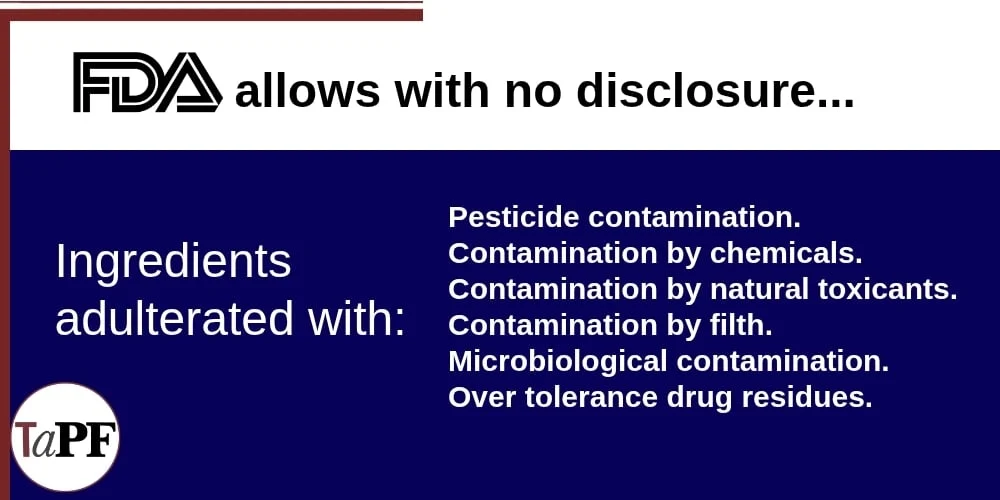
For millions of pet owners and livestock producers, the safety of the feed supply is a matter of absolute trust. Consumers rely on the assumption that if an ingredient is deemed unfit for human consumption due to contamination, it is removed from the food chain entirely. However, internal regulatory frameworks tell a more complex, and perhaps more troubling, story. Under specific Compliance Policy Guides (CPGs), the U.S. Food and Drug Administration (FDA) has established a formal mechanism to divert human food classified as "adulterated"—including products tainted with feces, mold, chemical residues, and biological pathogens—into the pet food and animal feed supply.
While the agency maintains that these diversions are monitored and controlled, the lack of transparency regarding which manufacturers utilize these ingredients has sparked a fierce debate over consumer rights, corporate accountability, and the inherent risks posed to animal health.
The Regulatory Framework: How "Adulterated" Becomes "Feed"
At the heart of this issue are the FDA’s Compliance Policy Guides (CPGs), which serve as the agency’s internal instruction manual for enforcement discretion. These documents do not necessarily create new laws, but they provide the regulatory roadmap for how the agency handles violations of the Federal Food, Drug, and Cosmetic Act.
CPG Sec. 675.100: Diversion of Contaminated Food
Perhaps the most alarming provision is found in CPG Sec. 675.100. The FDA explicitly states that it does not object to the diversion of human food adulterated with "rodent, roach, or bird excreta" into animal feed, provided the material undergoes a "heat treatment" approved by the agency.
The FDA’s own background documentation acknowledges the danger: these excreta act as vectors for Salmonella, Leptospira, parasite eggs, and other pathogenic organisms. The agency’s solution is to treat these contaminated batches as salvageable. By requiring a "case-by-case" consultation with the Center for Veterinary Medicine (CVM), the FDA essentially acts as a gatekeeper, determining which batches of filth-laden human food are "safe" enough to be processed into kibble or livestock feed.
CPG Sec. 675.300: Moisture-Damaged and Moldy Grain
Moisture-damaged grain—often the result of natural disasters like hurricanes, floods, or fire-suppression efforts—presents another set of risks. Grain stored in these conditions is susceptible to rapid mold growth and can be contaminated by sewage, chemical waste, or industrial runoff from floodwaters.
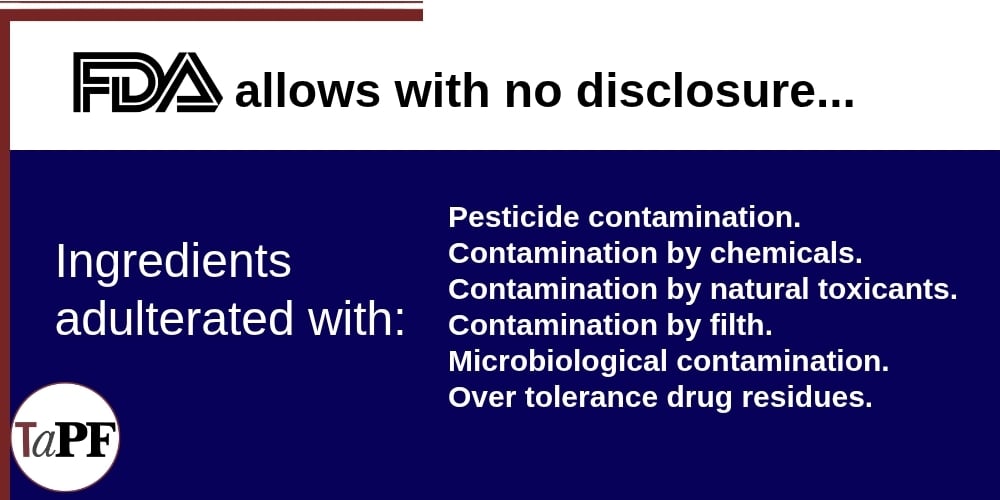
Despite the obvious health risks associated with mycotoxins and chemical contaminants, the FDA’s policy allows for this grain to be converted into animal feed. Again, the agency maintains a consultation process, requiring producers to notify the CVM and the Center for Food Safety and Applied Nutrition (CFSAN) before the material is diverted. The burden of proof for "safety" falls on the agency’s internal assessment of the nature and source of the moisture.
CPG Sec. 675.200: Broad Diversion of Adulterated Products
This policy covers a wide net, including USDA-detained meat and poultry products contaminated with drug residues or chemical contaminants, as well as products currently under voluntary industry recall. The agency allows these materials to be diverted to animal feed if they meet "different standards" than those required for human food.
The core of this policy rests on the argument that what is considered "adulterated" for a human—such as products failing specific defect action levels for filth—might be considered "acceptable" for an animal. This tiered approach to safety suggests a systemic belief that animals possess a different biological threshold for pathogens and toxins than humans, a premise that many veterinary nutritionists and consumer advocates find fundamentally flawed.
Chronology of Regulatory Secrecy
The history of these policies is not new, but the push for transparency has intensified as the pet food industry has grown into a multi-billion-dollar sector.
- Mid-20th Century: The initial development of diversion policies began as a way to minimize economic waste in the food supply chain, allowing for the salvage of damaged goods.
- 1990s–2000s: As pet food manufacturing became more industrialized, the application of these policies to pet food became more common, though largely hidden from the public eye.
- 2007 Pet Food Crisis: The massive recall involving melamine-tainted wheat gluten brought international attention to the fragility of the pet food supply chain. While the FDA tightened some oversight, the fundamental policies allowing for the "diversion" of contaminated ingredients remained largely intact.
- September 2026: In a significant effort to uncover the scale of these practices, a formal Freedom of Information Act (FOIA) request was filed with the FDA. This request seeks the records of all approved adulterated food diversion requests from January 2020 to September 2026, specifically asking for the names of the consignees—the manufacturers who purchased the tainted material.
Supporting Data: The Hidden Cost of "Acceptability"
The FDA asserts that these diversions are safe because they are regulated. However, the data regarding the long-term impact of consuming "heat-treated" feces or moldy grain is rarely presented to the public.
When food is labeled "adulterated," it is because it violates the law. By allowing that same food to enter the animal supply chain, the FDA is essentially creating a secondary market for waste. The "heat treatment" requirement is a technical solution to a biological problem, but it does not remove the toxins produced by mold (mycotoxins) that can remain stable even after the mold itself is killed. Similarly, heat treatment does not necessarily eliminate the chemical residues (such as pesticides or pharmaceutical drugs) found in contaminated meat or grain.

The lack of public information regarding these "consignees" is perhaps the most critical data point. If a pet food manufacturer has a history of utilizing diverted adulterated ingredients, the consumer has no way to know. The ingredient label, which is already notoriously difficult for the average consumer to interpret, contains no disclosure regarding the history of the materials used.
Official Responses and Regulatory Stance
The FDA’s position has remained consistent: their mission is to ensure the safety of the food supply, and they argue that these diversion policies prevent unnecessary waste while maintaining public health. The agency emphasizes that each request is handled on an ad hoc basis, claiming that the consultation process ensures that only materials deemed "safe" for animal consumption are diverted.
However, critics argue that the FDA is prioritizing the economic interests of the food and agriculture industry over the transparency owed to pet owners. By keeping the list of companies that purchase adulterated food confidential, the FDA effectively shields these corporations from consumer scrutiny. If a company is purchasing "adulterated" ingredients, they are doing so to lower costs. The FDA’s silence on this issue prevents the market from punishing companies that utilize low-quality, contaminated inputs.
Implications: The Consumer’s Right to Know
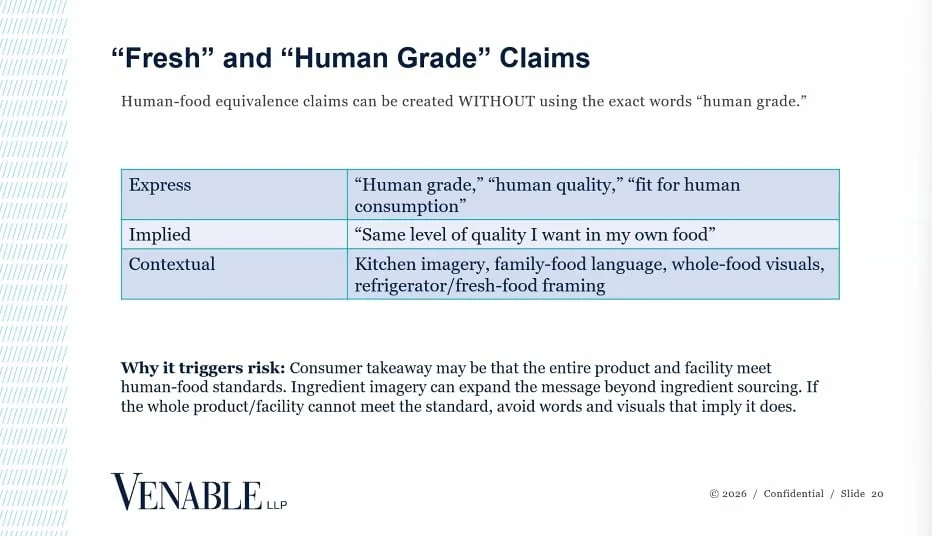
The implications of these policies are profound. For the pet owner, the pet food bowl is a black box. A consumer may spend a premium on "human-grade" or "premium" food, unaware that the ingredients may have been pulled from a batch originally rejected for human consumption due to contamination.
1. Erosion of Consumer Trust
When the public discovers that the government allows food deemed "filthy" or "decomposed" (legal definitions often used by the FDA) to be fed to pets, the social contract is broken. Consumers assume that "not fit for humans" means "not fit for consumption," full stop.
2. The Information Gap
Because the FDA does not require labeling transparency regarding the origin or status of these ingredients, the consumer is left without the ability to make an informed choice. Even the most vigilant pet owners, who research ingredient lists and sourcing, have no way of knowing if the grain in their pet’s food was once moisture-damaged or if the protein source was diverted due to drug residue.
3. Long-term Health Impacts
There is a lack of comprehensive, longitudinal studies on the health effects of chronic exposure to low levels of these contaminants in pets. While a single meal might not cause acute illness, the cumulative effect of consuming ingredients that were legally classified as "adulterated" remains an open question in veterinary science.
4. The Future of Transparency
The ongoing FOIA request is a litmus test for the FDA’s commitment to transparency. If the agency denies the request or redacts the names of the manufacturers, it will confirm the suspicion that the agency views the protection of industry reputations as equal to, or more important than, the transparency required to protect animal health.
Conclusion
The FDA’s current compliance policies create a tiered system of safety that places animals in a lower category than humans, permitting the use of ingredients that would otherwise be destroyed. While the agency frames this as a necessary and controlled regulatory process, the lack of public disclosure creates a dangerous environment of secrecy.
Until the FDA provides full transparency—revealing which manufacturers utilize these diverted ingredients—consumers will continue to feed their pets without knowing the true history of what is in their bowls. The upcoming response to the 2026 FOIA request will be a critical turning point. It will either signal a move toward genuine accountability or solidify the status quo, leaving pet owners to wonder what exactly is being hidden in the name of industry efficiency.