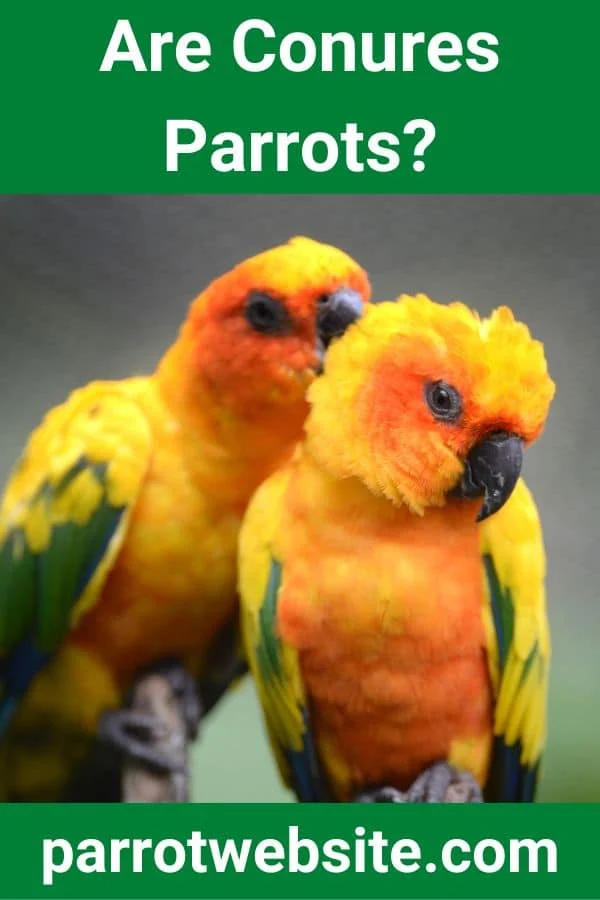
Plums are among the most underappreciated fruits in the produce aisle. While apples, bananas, and oranges often dominate the headlines of avian nutritional discourse, the humble plum remains a quiet powerhouse of vitamins and flavor. For parrot owners, particularly those who keep conures, the question of whether to share this stone fruit with their feathered companions is a common one.
The short answer is a definitive yes: conures can safely enjoy plums. However, as with any addition to a specialized avian diet, there is a science to the serving. Providing the wrong portion or failing to prepare the fruit correctly can lead to health complications. This comprehensive guide examines the nutritional profile of plums, safety protocols, and the best practices for incorporating this fruit into your conure’s meal plan.
Main Facts: Nutritional Powerhouses for Your Bird
At their core, plums are not merely a sugary treat; they are a dense source of essential micronutrients that can support your conure’s long-term health. When offered in moderation, the flesh and skin of a plum provide a variety of benefits.
The Vitamin and Mineral Profile
Plums are rich in vitamins A, C, and K. Vitamin A is critical for parrots, as it supports the maintenance of healthy vision, skin, and feather quality. Furthermore, it plays a vital role in immune system function. Vitamin C acts as a powerful antioxidant, protecting your conure’s cells from oxidative damage caused by free radicals—a process that can otherwise lead to premature aging and cellular stress.
In addition to vitamins, plums provide essential minerals:
- Potassium: Necessary for the regulation of fluid balance within the body’s cells.
- Copper: Works in synergy with iron to facilitate the production of red blood cells and maintain the integrity of nerves, blood vessels, and bone structure.
- Manganese: Essential for bone development and metabolism.
Chronology and Context: Understanding the Avian Diet
The evolution of the captive parrot diet has shifted significantly over the last few decades. In the past, many pet birds were fed restricted seed-based diets, which often led to nutritional deficiencies. Modern avian husbandry emphasizes "foraging variety," encouraging owners to mimic the diverse diet a wild parrot might find in its natural habitat.
In the wild, a conure’s diet is highly seasonal. They consume a rotating menu of fruits, seeds, blossoms, and insects. By introducing fruits like plums, owners are not just providing calories; they are providing "behavioral enrichment." The act of shredding and eating a juicy piece of fruit provides sensory stimulation that prevents the psychological stagnation often seen in captive birds.
Supporting Data: Why Moderation is the Golden Rule
While the nutrients found in plums are beneficial, they are concentrated. A conure, being a small animal, has a digestive system that can be easily overwhelmed by high sugar content or excessive acidity.
The Risks of Overfeeding
If a conure consumes too much fruit, the fiber and natural sugars can sit in the gut, leading to several adverse outcomes:
- Gastrointestinal Distress: Excess fruit can cause bloating, abdominal cramps, and diarrhea.
- Nutritional Imbalance: If a bird fills up on the high-energy, high-sugar content of a plum, it may skip its base diet of high-quality pellets or vegetables, leading to long-term malnutrition.
- Weight Gain: Captive conures do not have the same caloric expenditure as their wild counterparts. Over-indulgence in sugary fruits can quickly lead to obesity and associated health issues like fatty liver disease.
Recommended Serving Sizes
Veterinary experts generally suggest that fruit should represent no more than 10–15% of a parrot’s total daily caloric intake. For a conure, this translates to a small handful of thin slices once or twice a week. It is essential to rotate the fruit offerings—one week it might be plum, the next week papaya or berries—to ensure a wide spectrum of nutrients and to keep the bird interested.
Official Perspectives: Safety and Preparation Protocols
When discussing the safety of plums, the primary concern of avian veterinarians is not the fruit itself, but the way it is served. The "pit" or stone of the plum is the single most dangerous element.
The Danger of the Pit
Plum stones are not only a choking hazard due to their size and hardness, but they also contain compounds that can be harmful if ingested in large quantities. While a single accidental bite might not cause immediate acute toxicity, the risk is unnecessary and easily avoided. Always ensure the stone is removed and discarded before offering the fruit to your bird.
Raw vs. Cooked: The Verdict
Always provide raw, fresh plums. Cooking processes often destroy heat-sensitive vitamins and alter the nutritional density of the fruit. Furthermore, many prepared or "cooked" plum products—such as those found in jams or desserts—contain additives like refined sugar, artificial flavorings, preservatives, or even toxic ingredients like xylitol or excess salt. Even if you cook the plum yourself without additives, it lacks the crunchy texture and biological integrity of a fresh, raw slice.
Implications for Different Varieties
Not all plums are created equal in the eyes of a grocery shopper, but for your conure, most common varieties are safe.
Damson Plums
Damson plums are classic, elongated, and highly nutritious. They are perfectly safe for consumption and often provide a nice contrast in texture compared to rounder varieties.
Elephant Heart Plums
Often characterized by their deep, heart-like shape and darker flesh, these are an excellent choice. They are high in antioxidants, which are particularly beneficial for aging birds.
Moyer Plums
Commonly found in many markets, Moyer plums are safe and easily digested. Regardless of the variety, the standard rule applies: wash the skin thoroughly to remove any pesticide residue, remove the pit, and slice into bite-sized pieces.
Practical Tips for the Avian Owner
To successfully integrate plums into your conure’s life, follow these three practical strategies:
- The Wash Down: Always scrub the exterior of the plum. Pesticides and wax coatings are often used on commercial fruits and can be harmful to a bird’s sensitive respiratory and digestive systems.
- Presentation Matters: Conures are intelligent creatures. Instead of just placing a piece of fruit in a bowl, try skewering a slice on a bird-safe fruit kebab or hiding it in a foraging toy. This encourages the bird to work for its treat, which mirrors natural foraging behaviors.
- The "One-and-Done" Rule: Do not leave fresh fruit in the cage for more than a few hours. Once the fruit begins to oxidize and soften, it becomes a breeding ground for bacteria and fruit flies. Remove any uneaten portions promptly to maintain a hygienic environment.
Conclusion: A Balanced Approach to Bird Nutrition
The inclusion of plums in a conure’s diet is a practice that balances health benefits with psychological well-being. By viewing plums as a "supplementary treat" rather than a dietary staple, you can harness the benefits of their vitamin A, C, and K content while avoiding the risks of over-consumption.
Always remember the cardinal rules of avian fruit feeding: prioritize organic produce whenever possible, remove the pit entirely, wash the skin, and practice moderation. If you follow these guidelines, the vibrant, juicy taste of a fresh plum will not only be a healthy addition to your conure’s menu but also a highlight of their day.
As with any change to your pet’s diet, keep an eye on their droppings and overall energy levels after introducing a new food. If you notice any changes in consistency or behavior, revert to their standard diet and consult your avian veterinarian. With careful planning, you can ensure that your conure enjoys the many benefits of this underappreciated fruit safely and happily.