
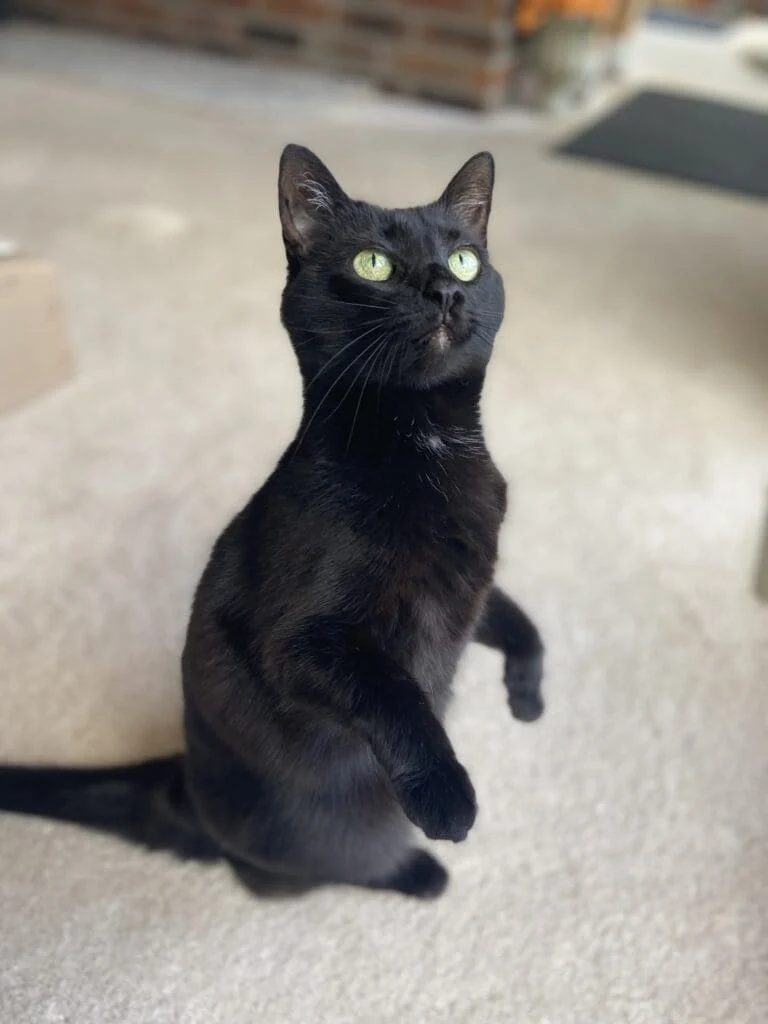
In the modern era of veterinary medicine, the "nine lives" of our feline companions are stretching further than ever before. Thanks to advanced medical care, diagnostic screenings, and a nuanced understanding of feline nutrition, cats are regularly living well into their late teens and early twenties. However, this increased longevity brings with it a shifting set of responsibilities for cat owners.
The transition from adulthood to the senior stage is often subtle. While some cats retain a youthful vigor that masks their biological age, others may experience a sharp decline in activity, interest, and physical comfort. Recognizing the specific needs of the senior cat is no longer just a luxury—it is a mandatory component of responsible pet ownership.
Main Facts: Redefining Senior Feline Health
The primary hurdle in senior cat care is the "masking effect." Cats are evolutionary masters at hiding pain and illness, a survival instinct that persists even in the safety of a domestic environment. Consequently, many owners mistake signs of chronic pain, such as lethargy or social withdrawal, for the natural process of "slowing down due to old age."
The reality is often far more treatable. What owners perceive as age-related melancholy is frequently a manifestation of manageable conditions like osteoarthritis, dental disease, or hypertension. The cornerstone of longevity is shifting from reactive care to proactive, preventative medicine. Modern veterinary standards now strongly advocate for biannual wellness examinations for cats over the age of 10. These check-ups are critical for early detection of systemic issues, allowing for interventions that can significantly improve a cat’s quality of life.

A Chronological Perspective: The Aging Process
Understanding the aging process in cats requires looking at their physiological evolution. A cat in its "senior" years (typically 11–14) and "geriatric" years (15+) undergoes a series of metabolic and structural changes:
- Early Senior (7–10 years): This is the ideal time to establish a baseline. Increased veterinary blood panels and weight monitoring help identify subtle trends before they become clinical emergencies.
- Senior (11–14 years): Mobility issues often begin here. Joint health becomes a focal point, and environmental modifications should be implemented to prevent injury.
- Geriatric (15+ years): This phase requires intensive monitoring. Cognitive function, sensory perception (sight and hearing), and organ efficiency require daily vigilance and often specific home adaptations.
Supporting Data: Why Environment Matters
Research into feline behavior consistently shows that environmental stress is a primary driver of declining health in older cats. As a cat’s physical capabilities wane, the world they once navigated with ease can become a series of obstacles.
Data on indoor cat enrichment suggests that cats who continue to engage in "low-impact" hunting behaviors experience slower cognitive decline. By shifting from high-intensity play—like jumping for birds—to ground-based hunting (mimicking insects or mice), owners can provide essential dopamine-releasing activities that keep the brain sharp. Furthermore, modifying the home environment to accommodate decreased mobility—such as providing ramps to high perches and low-entry litter boxes—can reduce the risk of secondary infections and stress-induced behavioral problems.
Official Recommendations: The Three Pillars of Senior Care
To maximize the health and comfort of a senior cat, owners should focus on three often-overlooked pillars of care: cognitive stimulation, mobility management, and environmental adaptation.

1. Supporting Mental Stimulation
Cognitive decline in cats is not inevitable. Much like humans, cats benefit from a "use it or lose it" approach to brain health.
- Interactive Play: Even if the sessions are short, keeping the cat engaged with toys that mimic natural prey helps maintain cognitive pathways.
- Puzzle Feeders: These are perhaps the most underutilized tool in senior care. By forcing the cat to problem-solve for their meal, you stimulate the brain. It is vital to start with easy, low-frustration puzzles to build confidence, eventually working up to more complex challenges.
- Clicker Training: Basic training—teaching a cat to touch their nose to a target or perform a high-five—is excellent for mental acuity. It fosters a bond and keeps the cat’s mind active without requiring strenuous physical exertion.
2. Keeping Your Cat Active (Mobility Management)
Mobility is the key to maintaining joint health. Inactivity leads to muscle atrophy and stiffer joints, creating a vicious cycle of pain and disuse.
- Adjusted Intensity: The goal is movement, not acrobatics. Replace high-leaping toys with floor-based wands or laser pointers (if followed by a physical catch to provide satisfaction).
- Frequency over Duration: Several five-minute sessions throughout the day are far superior to one long, tiring play session.
- Ground-Hunting: Focus on toys that stay low to the ground to accommodate cats with potential hip or spinal arthritis.
3. Adapting the Environment
The home that served a agile two-year-old cat is rarely ideal for a fifteen-year-old.
- Vertical Access: If your cat loves high places but struggles to jump, install ramps or steps to help them reach their favorite perches.
- Elevated Feeding: Raising food and water bowls to a height that prevents the cat from having to crouch can significantly reduce neck and shoulder strain, particularly for cats with arthritis.
- Litter Box Accessibility: This is the most common site of failure in senior care. Use boxes with low entry points to minimize the need for climbing. Additionally, increase the number of boxes available; as bladder control shifts, having a bathroom closer to the cat’s preferred resting area prevents accidents and frustration.
- Safety and Navigation: For cats with failing vision, consistency is key. Keep furniture in a fixed configuration. Use nightlights to aid in low-light navigation and consider using textured mats at the top of staircases to act as a physical warning for the cat.
Implications for the Future: A Holistic Approach
The implication of these findings is clear: the senior years should not be a period of decline, but a distinct life stage characterized by comfort and companionship. The bond formed over a decade or more is unique, and the efforts taken to accommodate a cat’s changing needs are a profound expression of that relationship.

Beyond the physical, there is the ongoing need for grooming assistance. As cats age, they may lose the flexibility required to groom their backs or hindquarters. Owners must be prepared to step in with gentle, regular brushing sessions. This not only keeps the coat healthy but also serves as a bonding ritual and a chance for the owner to check for lumps, bumps, or skin irritations that require veterinary attention.
Furthermore, thermoregulation becomes a concern. Senior cats often struggle to maintain body temperature as efficiently as they once did. Providing heated beds in the winter and ensuring they have cool, shaded spots in the summer are small but significant gestures that ensure their daily comfort.
Conclusion
Caring for a senior cat is an evolving journey. It requires a transition from being a provider to being an advocate—a person who observes, modifies, and intervenes when necessary. By integrating regular veterinary oversight with thoughtful environmental and mental enrichment, owners can ensure that their feline friends continue to live with dignity and joy.
This stage of life is a privilege. By taking the time to address these overlooked aspects of care, you aren’t just extending your cat’s life; you are enriching the time you have left together.

For further guidance on behavioral adjustments and training techniques, refer to the works of feline behavior expert Pam Johnson-Bennett. As always, consult your veterinarian for specific health concerns; this guide is intended to supplement, not replace, professional medical advice.